The Hanfu Revival: A Practical Guide to Your First Set
The Hanfu Yundong: More Than Just a Fashion Trend
The modern Hanfu revival, known domestically as the Hanfu Yundong (Hanfu Movement), is one of the most fascinating cultural phenomenons of the 21st century. What began in 2003 when a man named Wang Letian wore a self-tailored traditional Han Chinese robe on the streets of Zhengzhou has blossomed into a multi-billion-dollar industry and a profound expression of cultural identity. Today, millions of young people across China and the global diaspora are reclaiming their sartorial heritage, moving Hanfu out of museum archives and into the streets, subways, and cafes of modern cities.
According to industry data from iiMedia Research, the Hanfu enthusiast community has grown exponentially, with the market size projected to surpass 14 billion RMB (approximately $2 billion USD). As noted by BBC Culture, this is not merely cosplay or historical reenactment; it is a deliberate redefinition of modern Chinese fashion through the lens of ancestral craftsmanship. For those looking to participate in this vibrant movement, purchasing and styling your first Hanfu set can feel daunting. This practical guide will walk you through selecting your silhouette, mastering traditional measurements, budgeting, and integrating these garments into your modern wardrobe.
Choosing Your First Silhouette: Song vs. Ming Dynasty
Hanfu encompasses over three millennia of history, meaning there is no single 'traditional' look. The clothing of the Han people evolved drastically across dynasties. For beginners seeking daily wearability, the Tang Dynasty's high-waisted Qixiong Ruqun (chest-high skirt), while visually stunning and popular in media, is often impractical for modern commuting due to its tendency to slip and restrict arm movement. Instead, the revival movement heavily favors the Song and Ming dynasties for everyday wear.
The Song Dynasty Aesthetic: Minimalist and Slender
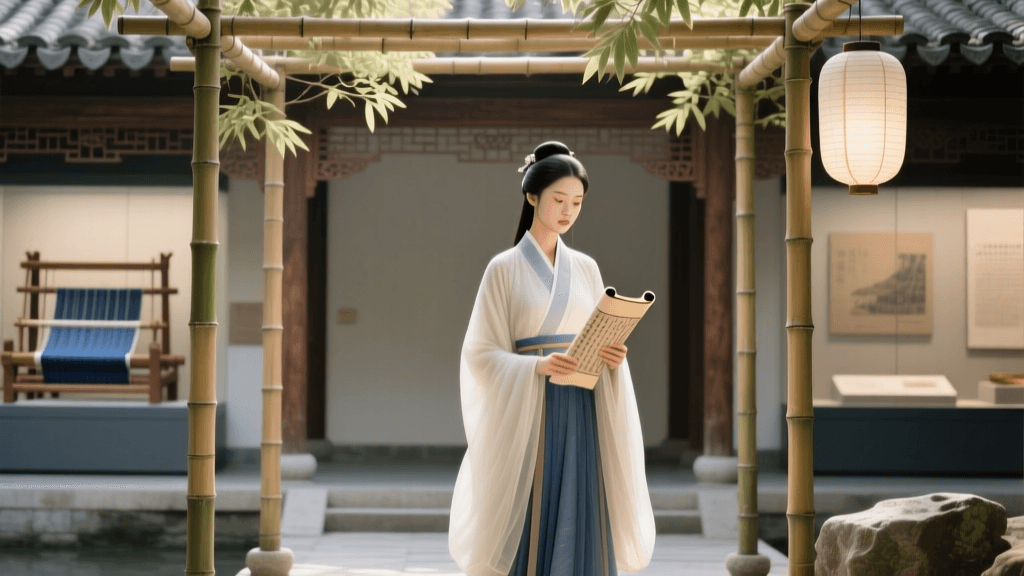
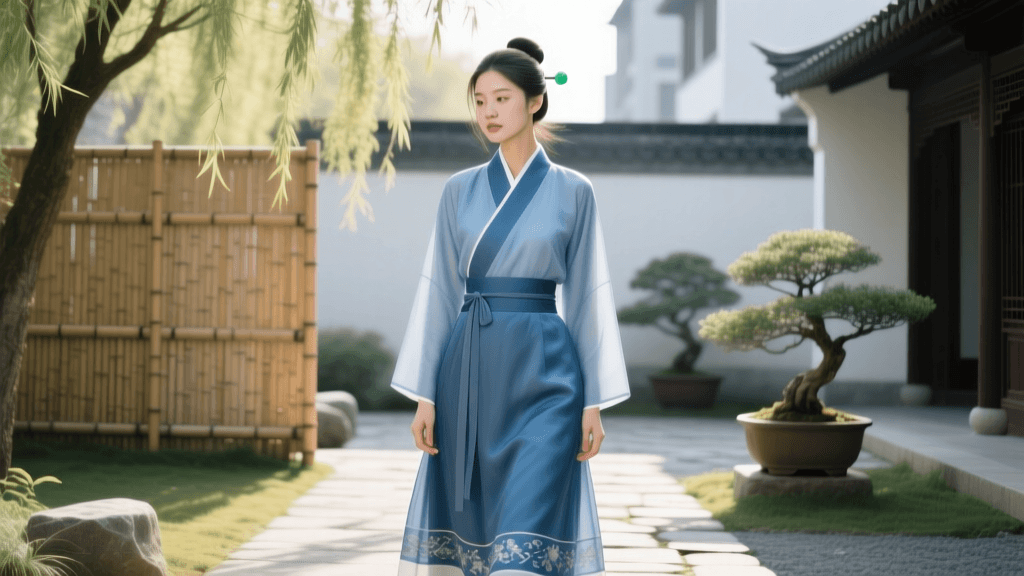
Song Dynasty Hanfu is characterized by slender, straight silhouettes, narrow sleeves, and a restrained, elegant color palette. The quintessential beginner piece is the Beizi, a long, open-front jacket worn over a camisole and a pleated skirt. The Beizi is incredibly versatile; its straight cut and side slits allow for ease of movement, making it a perfect transitional piece for spring and autumn. A typical Song set costs between $35 and $60 USD and is favored by those who prefer a subtle, understated elegance that easily blends with modern minimalist fashion.
The Ming Dynasty Aesthetic: Structured and Regal
If you want the most iconic, recognizable, and versatile piece of the modern Hanfu revival, look no further than the Ming Dynasty's Mamianqun (horse-face skirt). The Mamianqun is a wrap skirt featuring two flat, unpleated panels at the front and back, with deep, structured pleats on the sides. It is typically paired with an Ao (a lined jacket with a stand collar and distinctive metal buttons) or a Pipa-sleeved top. The Ming silhouette is regal, modest, and exceptionally forgiving on various body types. The heavy jacquard fabrics used in Ming skirts drape beautifully, and the skirt's structure makes it a favorite for winter styling over thermal layers.
Mastering Hanfu Measurements and Sizing
One of the biggest hurdles for Western buyers entering the Hanfu market is sizing. Traditional Chinese garments rarely use standard S, M, L, or XL sizing based on body curves. Instead, Hanfu is sold based on flat garment measurements. Because Hanfu is constructed from flat pieces of fabric that wrap and tie around the body, understanding how your body measurements translate to flat garment dimensions is crucial.
How to Measure for Your First Set
- Xiongwei (Bust/Chest): Measure around the fullest part of your bust. For a traditional jacket (Ao or Beizi), add 8-12 cm (3-5 inches) to your actual bust measurement to find the required flat garment width. Hanfu should never be skin-tight; the beauty lies in the drape and ease.
- Yaowei (Waist): Measure your natural waist or where you intend the skirt to sit (Ming skirts often sit slightly above the natural waist). For a Mamianqun, the flat waistband should be at least 10 cm (4 inches) larger than your actual waist to allow for the wrap-around overlap and modesty panel.
- Qunchang (Skirt Length): Measure from your waist down to your ankle bone. A standard Mamianqun length is usually between 95 cm and 105 cm (37-41 inches). If you are under 160 cm (5'3'), look for 'petite' lengths around 90 cm to avoid tripping.
- Xiu Chang (Sleeve Length): Ming dynasty Pipa sleeves are meant to extend past the fingertips. Measure from the base of your neck, over the shoulder, down to your knuckles. Expect sleeve lengths to be 70-80 cm (27-31 inches).
Budgeting and Sourcing Authentic Hanfu
The Hanfu market is vast, ranging from cheap, mass-produced costumes to museum-grade, hand-woven silk masterpieces. As highlighted in a comprehensive feature by Sixth Tone, the ecosystem relies heavily on independent Taobao studios that utilize a 'pre-order' (Yushou) model to fund small-batch production runs.
Price Tiers and What to Expect
- Entry-Level ($25 - $50 USD): Typically made from polyester jacquard or chiffon. While breathable synthetic blends are improving, cheap polyester can trap heat. These are excellent for testing the waters or attending casual outdoor festivals.
- Mid-Tier ($60 - $120 USD): The sweet spot for most revivalists. Expect high-quality cotton-linen blends, rayon, and woven metallic yarns. Studios like Shisan Yu and Zhong Lin operate in this space, offering historically informed patterns with modern durability and machine-washable fabrics.
- Premium & Silk ($150 - $400+ USD): Reserved for pure mulberry silk, hand-embroidery, and authentic Ming Dynasty weaving techniques like Zhijin (gold-woven brocade). These are investment pieces meant for weddings, formal ceremonies, or serious collectors.
Actionable Tip: If buying directly from Taobao, use a shopping agent like Superbuy or CSSBuy. Search terms like 'Mingzhi Hanfu' (Ming-style Hanfu) or 'Mamianqun' will yield the best results. Always check the 'Yushou' (pre-order) dates, as popular designs can have a 45-day production wait time.
Dynasty Comparison Chart for Modern Wear
To help you decide which historical era best fits your lifestyle, climate, and aesthetic preferences, consult the comparison table below:
| Dynasty | Key Garments | Silhouette & Fit | Best Season | Modern Styling Difficulty | Avg. Cost (USD) |
|---|---|---|---|---|---|
| Tang | Qixiong Ruqun, Banbi | High-waisted, voluminous, wide sleeves | Summer | High (requires careful tying) | $30 - $80 |
| Song | Beizi, Baizhequn | Straight, slender, narrow sleeves, open-front | Spring / Autumn | Low (very similar to modern dusters) | $35 - $70 |
| Ming | Ao, Mamianqun, Pifeng | Structured, A-line skirt, stand collars | Autumn / Winter | Low (skirt uses modern buckles/ties) | $50 - $150 |
Styling Hanfu for the Modern World
The true spirit of the Hanfu revival movement is not about strict historical cosplay, but about integrating traditional elements into contemporary life. 'Hanfu mixing' (Hanfu Dapei) is a celebrated practice. The Ming Dynasty Mamianqun, for instance, has become a staple in modern Chinese streetwear. It is frequently paired with crisp white button-down shirts, modern knit turtlenecks, or tailored blazers. The structured pleats of the skirt provide a dramatic contrast to sleek, modern tops.
Footwear is another area where modern revivalists adapt. While traditional cloud-toe shoes are beautiful, they lack arch support for modern concrete cities. Today, it is entirely culturally acceptable within the revival community to pair a Mamianqun with modern Mary Jane shoes, Chelsea boots, or even clean, minimalist sneakers. For cold weather, wearing fleece-lined tights under the voluminous skirt is a common, practical hack that maintains the historical silhouette while ensuring warmth.
Hair and Accessories
You do not need elaborate historical updos to wear Hanfu. A simple half-up style secured with a modern Zanzi (a single-prong hair stick) or a Zhua (claw clip) adorned with subtle jade or pearl details bridges the gap between ancient and modern. Avoid overly theatrical stage makeup; the revival movement favors natural, elegant grooming that lets the craftsmanship of the textile take center stage.
Conclusion: Wearing Your Heritage
Participating in the Hanfu revival is a deeply rewarding journey into Asian traditions, textile history, and personal expression. By understanding the mechanics of traditional flat-pattern cutting, respecting the nuances of different dynastic silhouettes, and thoughtfully blending these garments with your modern wardrobe, you become an active participant in a living, breathing cultural renaissance. Whether you are stepping out in a flowing Song Dynasty Beizi or a regal Ming Mamianqun, you are wearing thousands of years of history, reimagined for the future.