Modern Kimono Styling for Weddings, Galas, and Contemporary Events
The Renaissance of the Kimono in Contemporary Fashion
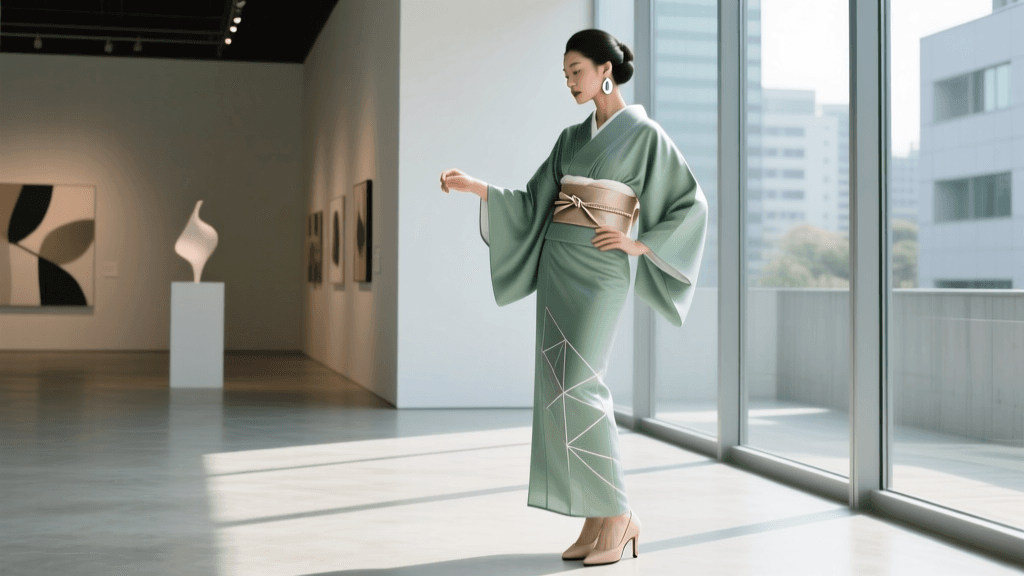
For decades, the global perception of the kimono was largely confined to traditional Japanese ceremonies, historical exhibitions, or rigid cultural boundaries. However, a profound renaissance is underway. Today, fashion-forward individuals, cultural enthusiasts, and global tastemakers are integrating the kimono into modern Western-style events, from black-tie galas and contemporary weddings to avant-garde gallery openings. This shift is not about discarding tradition, but rather recontextualizing it. As highlighted by the Victoria and Albert Museum's groundbreaking exhibition on kimono history, the garment has always been a dynamic, evolving fashion statement, highly responsive to the cultural zeitgeist.
Styling a kimono for a modern occasion requires a delicate balance: honoring the garment's structural integrity and cultural roots while adapting its styling to suit contemporary environments, modern body types, and Western event dress codes. This comprehensive guide provides actionable advice on selecting, measuring, accessorizing, and budgeting for wearing a kimono to today's most stylish events.
Selecting the Appropriate Garment for Your Event
Not all kimono are created equal, and wearing the wrong formality level to an event is a common styling misstep. Understanding the hierarchy of kimono types is essential for modern event dressing.
Weddings: The Houmongi and Iro-Tomesode
For wedding guests, the Houmongi (visiting kimono) is the gold standard. Characterized by its e-ba (picture pattern) that flows seamlessly across the seams when the garment is laid flat, the Houmongi exudes elegance without overshadowing the bride. Opt for refined silk chirimen (crepe) in muted metallics, deep jewel tones, or soft pastels depending on the season. Avoid pure white, which is reserved for the bride, and overly vibrant reds, which can draw inappropriate attention.
Corporate Galas and Red Carpets: The Iromuji
For high-stakes corporate events or red-carpet premieres, the Iromuji is a masterclass in minimalist sophistication. An Iromuji is a solid-colored kimono (excluding black) featuring subtle, tone-on-tone woven patterns. Its understated elegance pairs beautifully with modern architectural jewelry and allows the wearer's silhouette to command the room. A deep emerald, midnight blue, or rich burgundy Iromuji styled with a luxurious brocade Fukuro obi rivals any haute couture evening gown.
Cocktail Parties and Gallery Openings: The Edo Komon
For semi-formal cocktail hours or art gallery openings, the Edo Komon offers incredible versatility. Originally developed for samurai kamishimo, these garments feature micro-patterns so fine they appear solid from a distance. An Edo Komon bridges the gap between traditional daywear and modern eveningwear, allowing for playful, avant-garde styling, such as pairing the kimono with a sleek leather corset belt in place of a traditional obi for a high-fashion editorial look.
Crucial Measurements and the Art of the Ohashori
Unlike Western garments that are tailored to hug the body's curves, the kimono is constructed from straight cuts of fabric, known as tanmono. The standard width of a tanmono bolt is roughly 36 to 38 centimeters, meaning the kimono's fit is dictated by its length and how it is folded and tied onto the body.
The most critical element of kimono tailoring is the ohashori—the horizontal fold created at the waist to adjust the garment's length. According to the Metropolitan Museum of Art's structural analysis of Japanese dress, this fold is not merely functional; it is a vital aesthetic requirement for women's formal kimono. To calculate the correct back length (mitake) for your garment, add 20 to 25 centimeters to your total height. For example, a wearer who is 170 cm tall requires a kimono with a mitake of approximately 190 cm to allow for a graceful, 20-cm ohashori fold. If you are exceptionally tall, modern styling often embraces a slightly shorter hemline that reveals the ankle, a trend that has gained traction in contemporary Tokyo fashion circles.
The Essential Undergarments (Kitsuke Basics)
A flawless kimono silhouette relies entirely on what lies beneath. Modern styling requires specific undergarments to create the ideal cylindrical shape, minimizing the bust and hips to allow the silk to drape perfectly.
- Hadajuban and Susoyoke: The base layer of cotton undergarments that protect the silk from body oils and provide a slip-like foundation.
- Nagajuban: The inner kimono, usually made of breathable silk or modern synthetic blends. Only the collar (han-eri) and cuffs are visible. Swapping the han-eri for a modern embroidered or metallic mesh collar is an excellent way to personalize your look.
- Kimono Bra and Padding: A specialized kimono bra flattens the bust, while himopads (toweling pads) are tied around the waist and hips to fill in the body's natural curves, ensuring the obi sits perfectly straight.
- Koshihimo and Datejime: Long cotton ties and wide elasticized belts used to secure the layers tightly before the decorative obi is applied.
Comparison Chart: Traditional Ceremonial vs. Modern Event Styling
When transitioning the kimono from a strict tea ceremony to a modern gala, several styling elements can be adapted to increase comfort and contemporary appeal.
| Styling Element | Traditional Ceremonial Approach | Modern Event / Gala Approach |
|---|---|---|
| Obi Style | Fukuro Obi tied in complex, rigid knots (e.g., Otaiko) | Nagoya Obi for comfort, or stylized ribbon knots for a softer silhouette |
| Footwear | Woven Zori sandals with white Tabi socks | Low-heeled leather sandals, velvet slippers, or sleek ankle boots (winter) |
| Collar (Han-eri) | Plain white embroidered silk | Metallic mesh, beaded lace, or contrasting dark velvet |
| Outerwear | Formal Haori with family crests (Kamon) | Structured Western blazers, cashmere shawls, or modern Michiyuki coats |
| Hair & Jewelry | Traditional Kanzashi (tortoiseshell/silk flowers) | Minimalist gold drop earrings, modern acrylic hair cuffs, sleek low buns |
Accessorizing: Bridging East and West
Accessorizing is where the modern wearer truly makes the kimono their own. Traditional kimono styling strictly forbids necklaces, as they clash with the overlapping v-neck of the collar and disrupt the visual flow of the neckline. Instead, focus on ear and hand adornments.
Jewelry: Opt for statement drop earrings or ear cuffs. Because the hair is typically swept up to reveal the nape of the neck (a traditionally sensual area in Japanese aesthetics), architectural metallic earrings provide a stunning, contemporary frame for the face.
Handbags: Leave the traditional boxy zogen (ivory-style) bags at home. For a gala, a sleek, hard-shell metallic clutch or a minimalist leather envelope bag offers a striking juxtaposition against the soft, flowing silk of the kimono sleeves.
Outerwear: For transitional weather or air-conditioned ballrooms, the Haori (a hip- or thigh-length kimono jacket) is ideal. Modern styling often sees women wearing vintage, unlined silk Haori open like a duster coat over a Western slip dress, or belted tightly over a full kimono for a structured, avant-garde silhouette.
Logistics: Costs, Rentals, and Dressing Timelines
Planning to wear a kimono to a modern event requires logistical foresight, particularly regarding budget and time allocation.
- High-End Rental (Recommended for Galas): $100 - $250. This typically includes a premium silk Houmongi, a coordinated obi, all necessary undergarments, and a 45-minute professional dressing session (kitsuke) at a specialized salon.
- Vintage Purchase: $80 - $400. Buying vintage kimono from online auction houses or specialized dealers in Kyoto is highly cost-effective. However, you must budget an additional $100+ for the obi, obijime (decorative cord), and zori sandals, as vintage sets rarely include everything needed.
- Custom Tailoring: $2,500 - $8,000+. Commissioning a new kimono from a master artisan takes 3 to 6 months. This is reserved for those who view the garment as a lifelong investment piece or heirloom.
- Dressing Timeline: Always allocate a full 60 minutes before your event for professional dressing. The process involves over a dozen individual ties and folds. Furthermore, factor in a specialized vehicle or ample space in a rideshare, as the obi adds significant depth to your profile, and the sleeves require careful draping to avoid wrinkling.
Cultural Appreciation in the Modern Era
As the kimono becomes a more prominent fixture in global fashion, the line between appropriation and appreciation must be navigated with intentionality. The Kyoto Costume Institute frequently highlights how Japanese dress has historically engaged in a dialogue with global fashion, yet the kimono remains deeply tied to Japanese identity and craftsmanship.
'Wearing a kimono to a modern event is an act of profound respect when done correctly. It requires the wearer to study the garment's rules, honor the artisans who wove the silk, and carry themselves with the mindfulness that the garment demands. It is not a costume; it is a living, breathing textile tradition.'
By adhering to the structural rules of the left-over-right collar overlap, respecting the formality levels of the fabrics, and investing in proper dressing techniques, you do not merely wear a beautiful garment—you participate in the ongoing, dynamic evolution of one of the world's most sophisticated sartorial traditions.