The Ultimate Guide to Hanfu Conventions and Meetups
The Rise of the Offline Hanfu Community
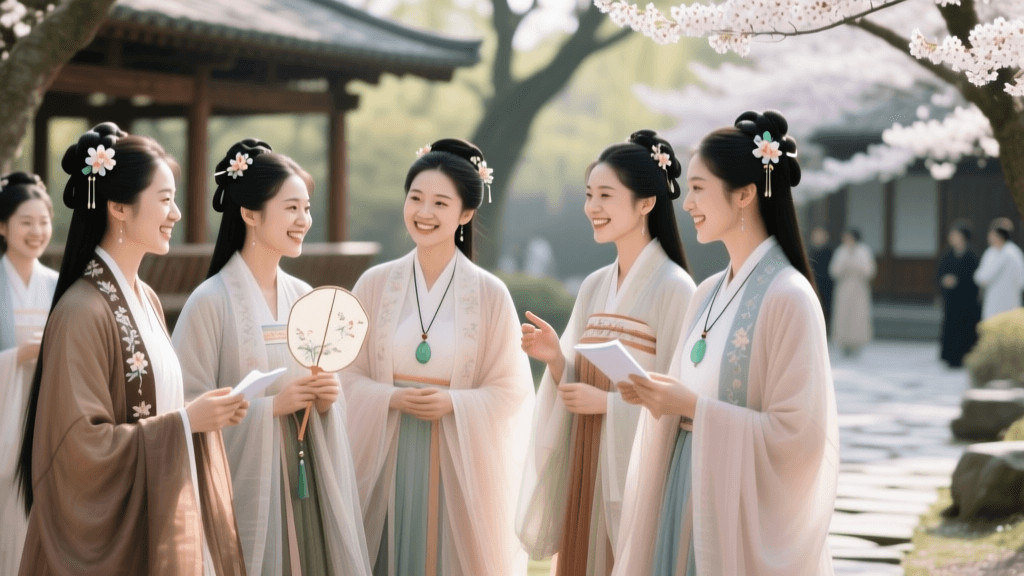
Over the past decade, the revival of traditional Han Chinese clothing has transformed from a niche internet hobby into a vibrant, global cultural phenomenon. While early enthusiasts connected primarily through digital forums and social media, the modern Hanfu movement is defined by its massive offline presence. Today, enthusiasts—affectionately known as 'Tongpao' (同袍, meaning 'sharing the same robe' or comrades)—gather in parks, historic sites, and massive convention centers to celebrate their heritage. According to cultural historians tracking the Hanfu movement, the transition from digital spaces to physical conventions has been instrumental in normalizing traditional garments in public life, fostering a deep sense of community, and driving a multi-billion-dollar heritage fashion industry.
Whether you are a seasoned collector of Ming Dynasty replicas or a curious newcomer who just purchased their first Song Dynasty Beizi, attending a Hanfu convention or local meetup is a rite of passage. This guide will walk you through the world's major Hanfu events, essential wardrobe planning, community etiquette, and actionable tips for finding local gatherings.
Major Hanfu Conventions and Global Festivals
The Hanfu convention circuit ranges from intimate local park picnics to massive, multi-day municipal festivals backed by local tourism boards. Understanding the landscape of these events is crucial for planning your travel and wardrobe.
Xitang Hanfu Culture Week
The undisputed crown jewel of these gatherings is the Xitang Hanfu Culture Week, held annually in the historic Xitang Water Town in Zhejiang Province. Founded by lyricist Vincent Fang (Fang Wenshan), this week-long festival draws hundreds of thousands of attendees. The cobblestone streets and ancient stone bridges of Xitang provide a breathtaking backdrop for the Grand Hanfu Parade, traditional archery tournaments, Chinese opera performances, and nighttime lantern processions. For serious enthusiasts, Xitang is a pilgrimage site where major Hanfu brands debut their newest collections and independent artisans sell bespoke accessories.
International Hanfu Parades and Conventions
The Hanfu community extends far beyond mainland China. Major international cities now host annual Hanfu parades and cultural conventions. In cities like New York, London, Paris, and Sydney, Hanfu societies organize public parades through iconic landmarks, such as Central Park or the streets of Soho. These international conventions often feature panel discussions on historical textile weaving, DIY sewing workshops, and traditional tea ceremony demonstrations, serving as vital cultural bridges for the diaspora and international sinophiles.
Strategic Wardrobe Planning for Conventions
Attending a multi-day Hanfu convention requires strategic wardrobe planning. Unlike casual cosplay events, Hanfu gatherings emphasize historical accuracy, seasonal appropriateness, and comfort for long days of walking. Mixing and matching separates (known as 'Dapo' or breaking the set) is a popular way to maximize your luggage space while creating multiple distinct looks.
| Garment / Item | Historical Era | Best Event Context | Estimated Cost (USD) |
|---|---|---|---|
| Ming Dynasty Aoqun (Jacket & Pleated Skirt) | Ming (1368–1644) | Autumn/Winter conventions, formal evening banquets, photography sessions. | $80 - $180 |
| Song Dynasty Beizi (Long Coat) & Moxiong | Song (960–1279) | Spring/Summer outdoor meetups, park picnics, casual daytime strolling. | $50 - $120 |
| Tang Dynasty Qixiong Shanqun (Chest-high Skirt) | Tang (618–907) | Festivals, stage performances, vibrant parade marching. | $60 - $140 |
| Yunxie (Cloud Shoes) / Embroidered Flats | Various | Essential for all events; provides authenticity while accommodating long walks. | $25 - $60 |
| Hair Accessories (Zan, Chai, Guan) | Various | Metal or carved wood hairpins to secure elaborate traditional updos. | $15 - $50 per piece |
Pro-Tip for Packing: Always pack a lightweight, wrinkle-release spray and a portable handheld steamer. Convention center bathrooms rarely have the space or outlets required for full-sized irons, and natural fabrics like silk and ramie wrinkle easily during travel.
Navigating Hanfu Event Etiquette and Norms
The Hanfu community prides itself on reviving not just the clothing, but the traditional manners and etiquette associated with Chinese heritage. Observing these norms will help you integrate seamlessly into the 'Tongpao' network.
The Traditional Greeting: Gongshou and Zuoyi
When meeting fellow enthusiasts, the standard greeting is the 'Gongshou' (拱手) or 'Zuoyi' (作揖) salute. This involves clasping the hands together in front of the chest and bowing slightly. The hand placement is strictly governed by traditional Yin and Yang philosophy: men should wrap their left hand over their right fist (as the left side represents life and auspiciousness), while women should wrap their right hand over their left fist. Using this greeting at conventions instantly signals your respect for the culture and your understanding of the community's values.
Photography and Consent
Hanfu conventions are highly visual, and photography is a central activity. However, the community strictly enforces a culture of consent. Never touch another person's garment, adjust their hairpin, or grab their flowing sleeves for a photo without explicit permission. Many traditional silk brocades and delicate metal hairpins are fragile and expensive. Always ask, 'Keyi pai zhao ma?' (Can I take a photo?), and respect a refusal gracefully. If someone is adjusting their makeup or fixing a wardrobe malfunction, lower your camera immediately.
Respecting Historical Accuracy vs. Fantasy
While the community is generally welcoming, there is a distinct boundary between historical Hanfu and modern 'Xianxia' (fantasy/immortal) costumes or modified 'Hanfu-inspired' fast fashion. At strict historical conventions, wearing garments with obvious anachronisms (like zippers on a Ming jacket or fantasy anime wings) may draw quiet criticism. It is best to research the specific dress code of the convention you are attending to ensure your attire aligns with the event's historical focus.
How to Find and Join Local Hanfu Meetups
You do not need to fly to Xitang to experience the magic of the Hanfu community. Local meetups happen weekly in major cities worldwide, often centered around tea houses, botanical gardens, or university campuses.
- Xiaohongshu (Little Red Book): This is the primary hub for the Hanfu community. Search for 'Hanfu Tongcheng' (汉服同城 - Hanfu same city) followed by your city's name. You will find local groups organizing weekend park photoshoots, tea-tasting meetups, and lantern-making workshops.
- University Hanfu Societies: Most major universities with a significant Asian student population have a Hanfu or Traditional Chinese Culture club. These clubs frequently host open meetups, Mid-Autumn Festival galas, and clothing rental exchanges that are open to the public.
- Facebook and Meetup.com: For international enthusiasts outside of China, searching for 'Hanfu Society [City Name]' on Facebook will usually yield a dedicated group. These groups are excellent for finding local vendors, organizing group-buy orders to save on international shipping, and planning casual weekend dim-sum meetups in traditional attire.
The First-Timer Survival Kit
Conventions involve 10,000 to 20,000 steps a day, often on uneven cobblestones or crowded convention center floors. To ensure your first Hanfu meetup is a joy rather than a chore, pack the following survival kit:
- Anti-Chafing Shorts: Essential for wearing under pleated Mamianqun (horse-face skirts) or lightweight summer skirts to prevent friction during long walks.
- Double-Sided Fashion Tape & Safety Pins: Traditional garments rely on ties and sashes rather than zippers. A sudden gust of wind or a loose knot can cause a wardrobe malfunction. Tape and pins are your best defense.
- Cloud Shoe Insoles: Traditional embroidered flats (Yunxie) lack modern arch support. Inserting high-quality gel insoles will save your feet during multi-day festivals.
- Drawstring Shoe Bags: Many traditional tea houses, indoor banquet halls, and martial arts demonstration areas require visitors to remove their shoes. Bring a beautiful, reusable drawstring bag to carry your footwear elegantly rather than holding it in plastic.
Attending a Hanfu convention is a deeply immersive experience that bridges the gap between ancient history and modern identity. By preparing your wardrobe thoughtfully, respecting the community's etiquette, and actively engaging with local Tongpao, you will find that the Hanfu movement offers not just beautiful garments, but a lifelong, global community of friends united by a shared love for traditional Asian culture.