Japan's Regional Garments: Ryusou, Attus and Kimono
The Geography of Japanese Textile Traditions
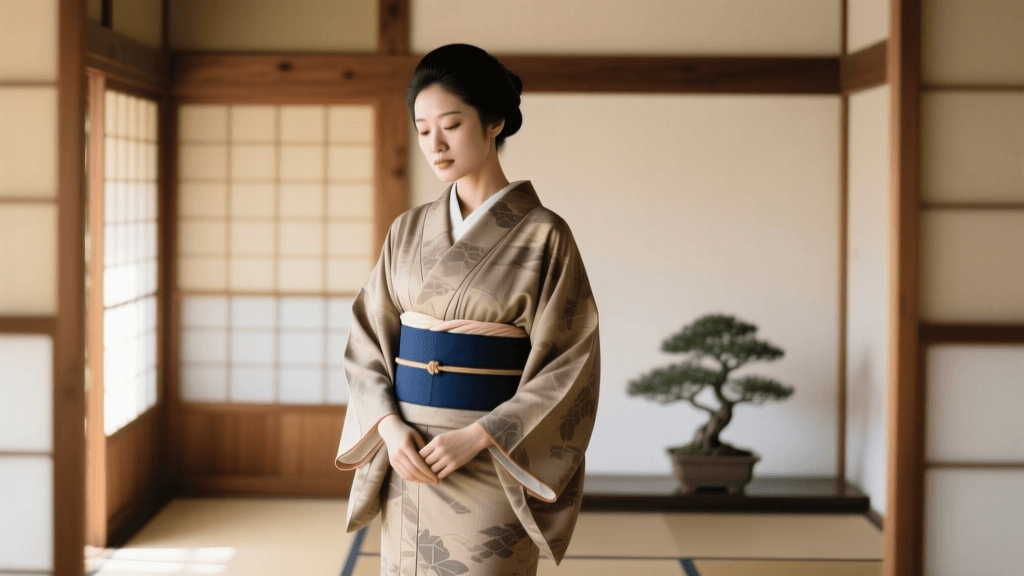
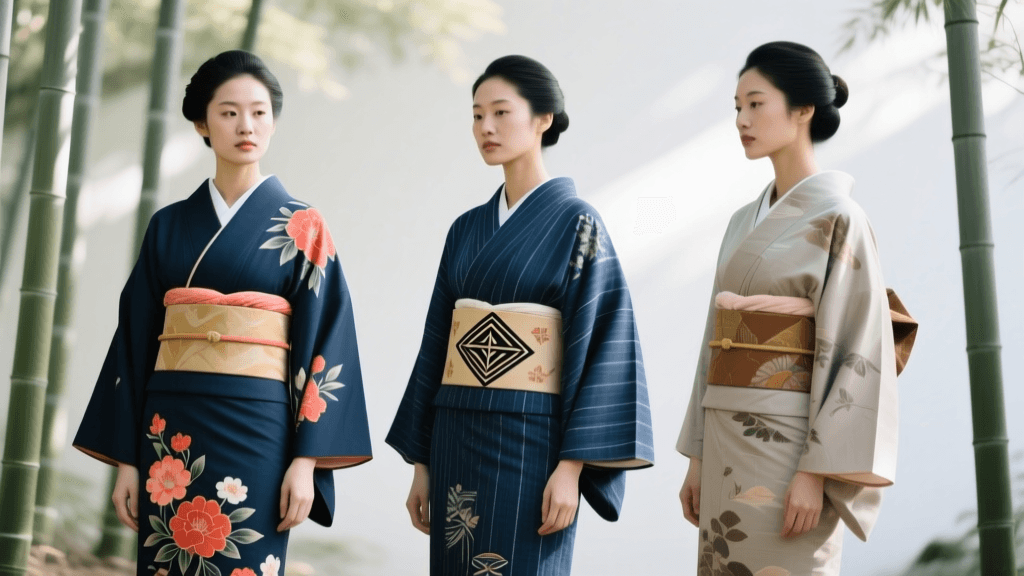
When the world thinks of traditional Japanese clothing, the mainstream image is almost exclusively the mainland kimono. However, Japan’s expansive archipelago—stretching from the subarctic climates of Hokkaido in the north to the subtropical islands of Okinawa in the south—has fostered a rich tapestry of regional garments. These diverse sartorial traditions are deeply intertwined with local climates, indigenous spiritual beliefs, and historical trade routes. Understanding these regional variations provides a much deeper appreciation of Japan’s textile heritage, moving beyond the standardized silk kimono to explore the breathable ramie weaves of the Ryukyu Kingdom and the resilient elm-bark textiles of the Ainu people.
Okinawan Ryusou and the Vibrancy of Bingata
Before its annexation by Japan in the late 19th century, Okinawa was the center of the Ryukyu Kingdom, a thriving maritime hub that traded extensively with China, Southeast Asia, and mainland Japan. The traditional garment of this region is the Ryusou. Unlike the mainland kimono, which is heavily structured and bound by a thick obi sash, the Ryusou is designed for a humid, subtropical climate. It is typically crafted from jofu (high-quality ramie or linen) and features a looser, more forgiving silhouette that allows for ample air circulation.
The Art of Bingata and Minsa
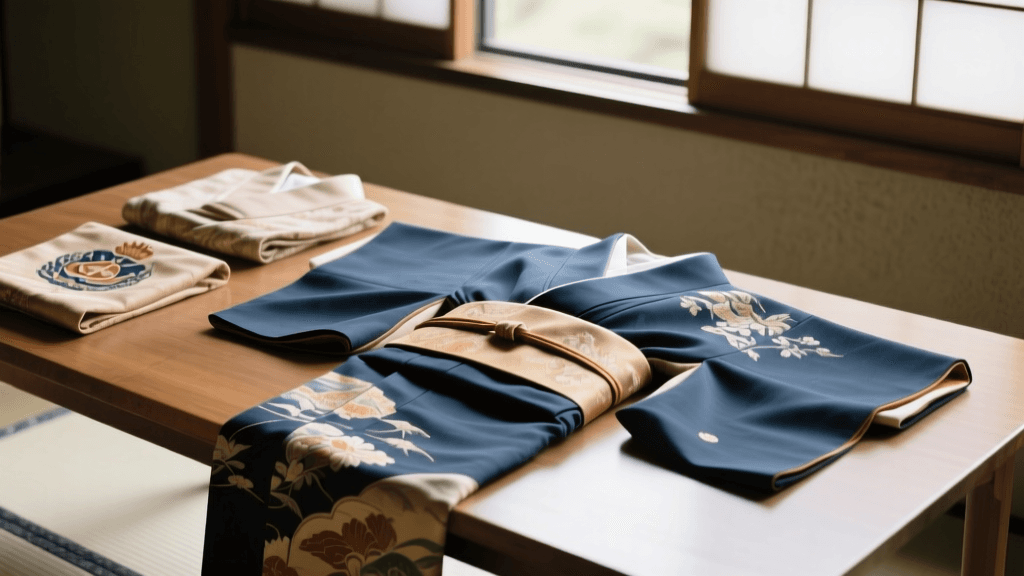
The most iconic textile associated with Okinawan dress is Bingata, a vibrant resist-dyeing technique that utilizes stencils and soy milk paste to create striking, multi-colored patterns. Historically, specific colors and motifs were strictly regulated by the Ryukyuan royal court; for instance, brilliant yellow was reserved exclusively for royalty, while commoners wore indigo or muted earth tones. Motifs often feature tropical elements like hibiscus flowers, palm trees, and ocean waves, reflecting the island's natural environment. According to the Kogei Japan Bingata archive, the meticulous process of hand-painting and dyeing each stencil layer can take artisans weeks to complete for a single bolt of fabric.
Another vital regional textile is Minsa, a cotton weaving technique originating from the Yaeyama Islands. Minsa sashes are characterized by their indigo-and-white geometric patterns. The distinct square and dot motifs are said to represent the concept of 'eternal love' and are traditionally woven by women to gift to their betrothed.
Practical Advice for Okinawan Garments
- Renting in Naha: If you are visiting Okinawa, renting a Ryusou is a highly accessible way to experience the culture. Shops along Kokusai Dori in Naha offer full rentals (including hair styling and zori sandals) for approximately 5,000 to 8,000 JPY ($35–$55 USD) for a half-day.
- Purchasing Vintage Bingata: Authentic, hand-dyed vintage Bingata obi sashes can be found in antique markets in Kyoto and Tokyo, or specialized shops in Naha. Expect to pay between 20,000 and 60,000 JPY ($140–$400 USD) depending on the complexity of the dye work and the condition of the silk or ramie base.
- Styling Tip: Because Ryusou is meant to be lightweight, it is traditionally tied with a simple, thin sash rather than a heavy, structured obi. When adapting mainland kimono for summer festivals in southern Japan, opt for unlined hitoe kimono made of miyako jofu (Miyako ramie) to mimic the regional breathability.
Ainu Attus and Hokkaido’s Indigenous Weaving
Moving to the northernmost prefecture of Hokkaido, we encounter the traditional dress of the Ainu, Japan’s indigenous people. The Ainu relationship with nature is profoundly spiritual, and this is directly reflected in their garments. The most historically significant everyday garment is the Attus, a robust, water-resistant textile woven from the inner bark fibers of the Japanese elm tree (Ulmus davidiana).
Spiritual Embroidery and Applique
While Attus was used for workwear and trade, ceremonial garments like the Kaparamip (a white cotton robe with navy blue applique) and the Chikarkarpe (a robe with intricate embroidered patterns) hold deep spiritual significance. The Ainu believe that evil spirits can enter the body through the openings of clothing, such as the hem, cuffs, and collar. To protect the wearer, Ainu women meticulously embroider or applique continuous, swirling thorn-like patterns known as Moreu along all garment openings. As documented by the National Ainu Folk Museum (Upopo), these motifs act as spiritual brambles, trapping or warding off malevolent forces before they can harm the wearer.
Practical Advice for Sourcing Ainu Crafts
- Authentic Sourcing: True, hand-woven Attus is incredibly rare and labor-intensive, as the bark must be harvested, boiled, dried, and split by hand. To support indigenous artisans, purchase directly from Ainu craft cooperatives in Hokkaido, such as those in the Shiraoi or Akan Lake regions.
- Cost of Accessories: A full Attus robe is a museum-grade investment (often exceeding 200,000 JPY), but you can purchase modern Attus accessories like neckties, small pouches, or camera straps for 5,000 to 15,000 JPY ($35–$100 USD). These make excellent, culturally significant souvenirs.
- Care Instructions: Elm bark fiber is highly durable but susceptible to mold in high humidity. Store Attus items in a dry, well-ventilated area, avoiding the airtight plastic storage that is sometimes used for mainland silk garments.
Mainland Kimono: Kaga Yuzen vs. Kyoto Nishijin
Even within the mainstream mainland kimono tradition, regional prefectures boast fiercely distinct dyeing and weaving techniques. The two most prominent rivals in the luxury kimono market are the Kaga Yuzen of Ishikawa Prefecture and the Nishijin-ori of Kyoto.
Kaga Yuzen: The Pictorial Masterpiece
Originating in Kanazawa, Ishikawa, Kaga Yuzen is a hand-painted resist-dyeing technique renowned for its pictorial, almost painterly realism. Unlike the stylized, graphic patterns of Kyoto, Kaga Yuzen heavily features naturalistic flora, birds, and landscapes. A defining characteristic of Kaga Yuzen is the use of bokashi (color gradation), where a single petal or leaf is dyed with a dark outer edge that fades into a lighter center. The Kogei Japan Kaga Yuzen database notes that artisans utilize a strict, traditional palette known as the 'Kaga Gosai' (the five colors of Kaga): indigo, crimson, ochre, ancient purple, and grass green.
Kyoto Nishijin: The Woven Brocade
In contrast, Kyoto’s Nishijin district is the undisputed capital of woven textiles. Nishijin-ori involves dyeing the silk threads before weaving them on complex jacquard looms to create opulent, heavily brocaded fabrics interlaced with gold and silver leaf. While Kaga Yuzen is a painted canvas, Nishijin is a sculptural weave.
Commissioning and Buying Mainland Kimono
- Commissioning Kaga Yuzen: Ordering a custom, hand-painted Kaga Yuzen kimono from a master artisan in Kanazawa is a significant investment. Prices typically start at 500,000 JPY ($3,500 USD) and can exceed 2,000,000 JPY. The lead time is generally 6 to 12 months.
- Measurements: Mainland kimono are tailored to the individual. The two most critical measurements are the Yuki (measured from the center of the back of the neck, over the shoulder, to the wrist bone) and the Mitake (the back length from the base of the neck to the ankle). Always have these measured by a professional before purchasing vintage or commissioning new pieces.
Comparison Chart: Regional Garments at a Glance
| Region | Primary Garment | Key Material | Defining Feature | Avg. Vintage Cost (USD) |
|---|---|---|---|---|
| Okinawa | Ryusou | Ramie / Linen (Jofu) | Bingata resist-dyeing, loose fit | $150 - $400 |
| Hokkaido | Attus / Kaparamip | Elm Bark / Cotton | Moreu thorn embroidery at cuffs | $80 - $300 (Accessories) |
| Ishikawa | Kaga Yuzen Kimono | Silk Crepe (Chirimen) | Hand-painted bokashi gradation | $300 - $1,500 |
| Kyoto | Nishijin Kimono/Obi | Brocaded Silk, Gold Leaf | Pre-dyed jacquard weaving | $200 - $800 (Obi) |
Practical Guide: Sizing, Care, and Collecting
Whether you are collecting a delicate Kaga Yuzen silk kimono or a rugged piece of Hokkaido Attus, proper care is essential to preserve these regional masterpieces. Mainland silk kimono should never be washed at home. Instead, they must be disassembled, washed, and re-sewn by a specialist in a process called arai-hari, which costs roughly 10,000 to 15,000 JPY per garment.
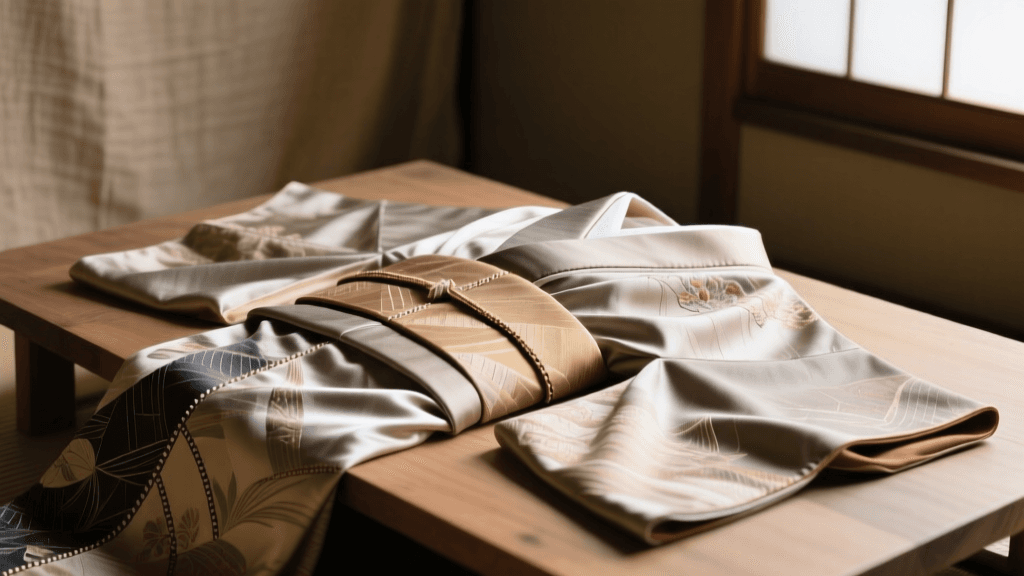
For storage, abandon Western wire hangers. Kimono must be folded along their original seam lines and wrapped in acid-free tato paper. To protect against humidity and pests, store the wrapped garments in a kiribako (a traditional paulownia wood chest). Paulownia wood naturally regulates moisture and contains compounds that repel insects. A high-quality, domestically sourced kiribako will cost between 15,000 and 30,000 JPY ($100–$200 USD) but is a non-negotiable investment for serious collectors of Japanese regional textiles. By understanding and respecting the distinct climates and cultures that birthed these garments, collectors and wearers help keep Japan's diverse sartorial heritage alive for future generations.