Kimono Dress Codes: Guide to Formal Etiquette and TPO Rules
The Language of Silk: Understanding Kimono Formality
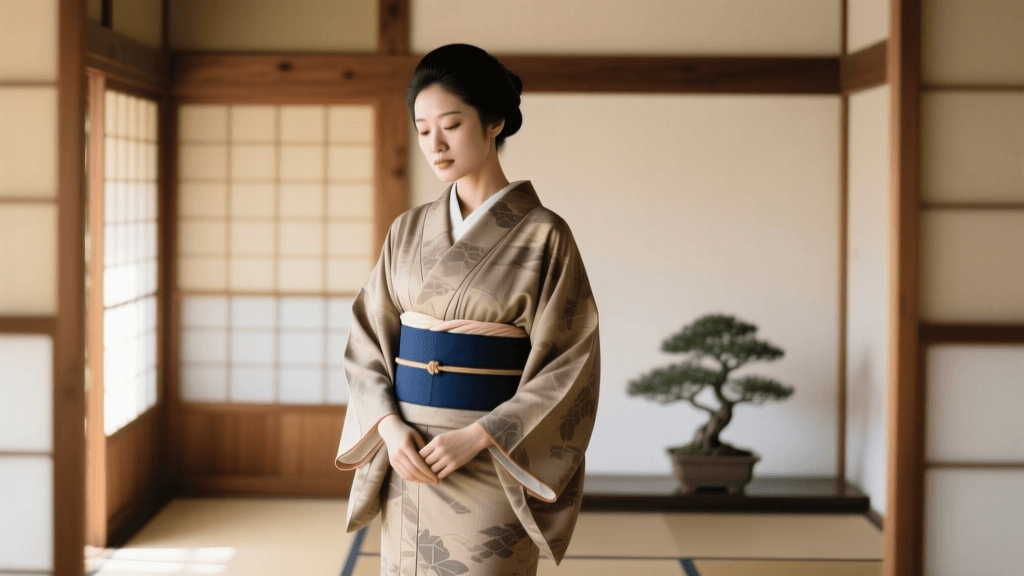
Wearing a kimono is not merely an act of getting dressed; it is an exercise in cultural communication. In Japan, traditional garments operate on a strict hierarchy of formality dictated by the TPO rule: Time, Place, and Occasion. Navigating this intricate system requires an understanding of fabric types, pattern placement, family crests (kamon), and accessory pairings. According to the Metropolitan Museum of Art, the kimono evolved from a simple T-shaped garment into a highly codified system of social signaling during the Edo period, a legacy that remains fiercely protected in modern Japanese society.
For both locals and international enthusiasts, misinterpreting these dress codes can lead to unintended faux pas. Whether you are attending a traditional Shinto wedding, participating in a formal tea ceremony, or walking through a historic district in Kyoto, understanding the boundaries of kimono etiquette is essential. Cultural institutions like The Japan Foundation frequently emphasize that respecting the TPO guidelines is the highest form of appreciation one can show toward Japanese textile heritage.
The Hierarchy of Formality: A Structured Guide
To master kimono etiquette, one must first recognize the primary categories of formal and semi-formal garments. The presence, number, and type of family crests (kamon) often dictate the formality level, with five crests (itsutsu-mon) representing the highest tier of formality, followed by three (mitsu-mon), and one (hitotsu-mon).
| Occasion | Kimono Type | Obi Pairing | Target Wearer |
|---|---|---|---|
| Wedding (Immediate Family) | Kurotomesode / Furisode | Fukuro Obi | Married / Unmarried Women |
| Wedding (Guest) | Irotomesode / Homongi | Fukuro Obi | Married / Unmarried Women |
| Tea Ceremony (Chado) | Tsukesage / Edo Komon | Nagoya Obi | Any Practitioner |
| University Graduation | Komon / Furisode + Hakama | Hakama-shita Obi | Female Graduates |
| Summer Festivals | Yukata (Cotton) | Hanhaba Obi | Any (Casual) |
Kurotomesode and Irotomesode: The Pinnacle of Formality
The Kurotomesode is a black silk crepe kimono featuring patterns only below the waistline and adorned with five white family crests. It is the most formal garment a married woman can wear, typically reserved for the mothers of the bride and groom at weddings. The Irotomesode follows the same structural rules but is dyed in colors other than black, making it appropriate for unmarried close relatives or married women attending as high-ranking guests.
Homongi and Tsukesage: Visiting Wear
Homongi (visiting wear) features continuous, flowing patterns that drape seamlessly across the seams of the garment. It is highly versatile and appropriate for weddings, formal parties, and elite cultural gatherings. Tsukesage is slightly more subdued, with patterns that do not cross the seams, making it the perfect choice for tea ceremonies, school entrance ceremonies, and refined dinners.
Practical Rules for Specific Occasions
Attending a Japanese Wedding
If you are invited to a traditional Japanese wedding as a guest, the Homongi or Irotomesode are your safest and most respectful choices. Avoid wearing white, as this color is strictly reserved for the bride (shiromuku). Furthermore, avoid animal prints or overly flashy gold accents, which can be interpreted as ostentatious.
- Rental Costs: Renting a high-quality Homongi with a Fukuro obi and accessories in Tokyo or Kyoto typically costs between 15,000 and 30,000 JPY ($100 - $200 USD).
- Timing: Reservations for formal kimono rentals should be made at least 2 to 3 months in advance, especially during peak wedding seasons (May, June, October, and November).
- Obi Knot: The Otaiko Musubi (drum knot) is mandatory for formal weddings. It is a flat, elegant knot that signifies maturity and respect.
The Tea Ceremony (Chado)
The tea ceremony demands restrained elegance and extreme mindfulness of your surroundings. Loud patterns, overly bright colors, and heavy brocades are considered disruptive to the serene atmosphere of the tea room (chashitsu). An Edo Komon (a kimono with microscopic, repeating stenciled patterns) or a subdued Tsukesage is ideal.
Crucial Etiquette: You must remove all jewelry, including rings, bracelets, and watches, before entering the tea room. The tea bowls (chawan) are often priceless antiques, and metal jewelry risks scratching the glaze. Additionally, ensure your fingernails are short and unpolished.
The Art of Kitsuke: Measurements and Dressing Rules
The physical act of dressing in a kimono is known as kitsuke. Unlike Western clothing, which is tailored to fit the body, a kimono is a standard width and length that must be folded, tucked, and tied to fit the wearer's specific proportions. Professional dressing at a salon typically takes 45 to 60 minutes and costs around 5,000 to 8,000 JPY.
Essential Measurements and Adjustments
- The Collar Gap (Eri-nuki): The collar must form a precise V-shape at the front, while the back of the collar is pulled away from the nape of the neck. The standard measurement for this gap is exactly two fingers' width (approximately 3 to 4 centimeters). This exposes the nape, which is traditionally considered the most alluring part of the neck in Japanese aesthetics.
- The Hemline (Suso): When standing still, the front hemline of a formal kimono must graze the ankle bone, completely hiding the feet. The back hem should be slightly longer, creating a gentle, trailing slope. If the hem is too short, the outfit is instantly downgraded to casual wear.
- The Ohashori: This is the visible tuck at the waist where excess fabric is folded over the obi. It must be perfectly horizontal and measure roughly the width of a closed fist (about 7-8 cm). A messy or uneven ohashori is a glaring sign of poor kitsuke.
The Golden Rule: Left Over Right
When wrapping the kimono around the body, the left panel must always cross over the right panel. This rule is absolute and non-negotiable. According to the Japan National Tourism Organization, wrapping the right panel over the left (ujō, sajō) is strictly reserved for dressing the deceased for burial. Making this mistake in daily life is considered highly inauspicious and deeply offensive.
Footwear and Accessory Protocols
A formal kimono ensemble is incomplete without the correct footwear and undergarments. For any formal occasion, you must wear pristine white tabi socks. Tabi should be put on before beginning the kitsuke process to avoid stretching the collar while bending over.
Footwear consists of zori sandals. For formal events like weddings, the zori should be covered in gold or silver brocade, and the straps (hanao) should be white or gold. Avoid black straps with formal wear, as they are associated with mourning. When stepping onto the tatami mats of a tea room or a traditional ryokan, you must remove your zori; tabi socks are the only acceptable foot covering for tatami.
'To wear a kimono is to wrap oneself in the seasons, the occasion, and the respect owed to one's host. It is a garment that demands mindfulness in every movement.' — Traditional Kitsuke Proverb
Common Faux Pas to Avoid
Even with the correct garment, subtle mistakes can undermine the formality of your attire. Avoid these common errors:
- Wearing a Yukata to a Formal Event: Yukata are made of unlined cotton and are strictly for summer festivals, onsen resorts, or casual lounging. Wearing one to a wedding or formal dinner is equivalent to wearing swimwear to a banquet.
- Mismatching the Obi: A highly formal gold Fukuro obi should never be paired with a casual Komon kimono. The obi must always match or slightly exceed the formality of the kimono.
- Improper Seating: When sitting in a formal kimono, do not cross your legs. Kneel in the seiza position, or sit with your knees together and ankles crossed neatly to the side. This prevents the hemline from riding up and exposing the legs.
Conclusion
Mastering kimono dress codes is a lifelong pursuit, even for native Japanese citizens. However, by adhering to the fundamental TPO rules, respecting the physical boundaries of the garment, and understanding the cultural weight of your accessories, you participate in a living tradition that spans centuries. Whether you are renting a Homongi for a Kyoto wedding or donning a Tsukesage for a quiet tea gathering, the effort you put into proper etiquette will be deeply recognized and appreciated by your Japanese hosts.