Decoding Kimono Fabrics: Silk Types and Craftsmanship Guide
The Foundation: Understanding Traditional Kimono Silk Types
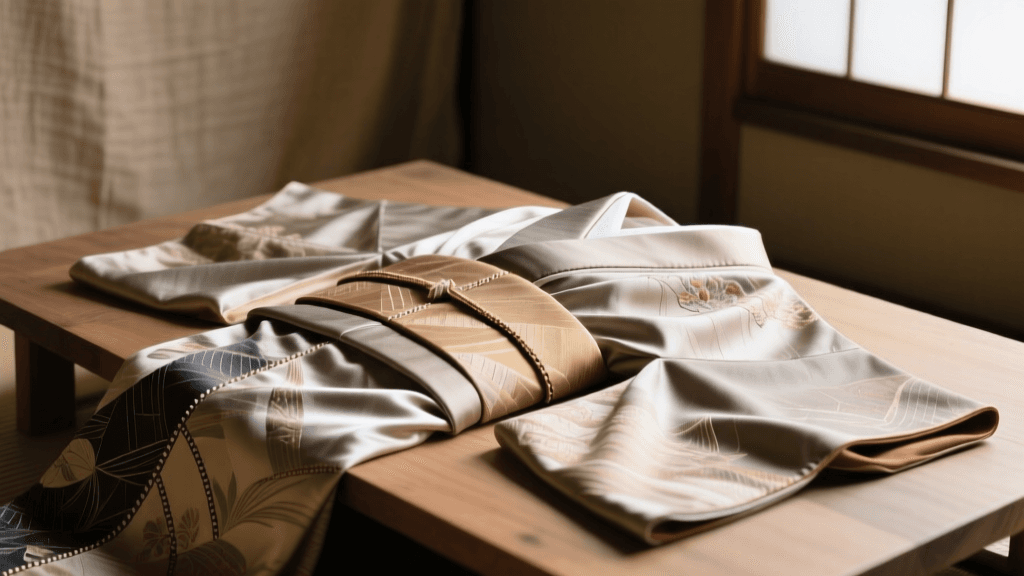
The kimono is far more than a simple garment; it is a wearable canvas that reflects centuries of Japanese aesthetic philosophy, regional geography, and masterful craftsmanship. When exploring traditional Japanese clothing, understanding the textile foundation is paramount. The choice of fabric dictates the garment's drape, formality, seasonal appropriateness, and longevity. While modern iterations may utilize polyester or cotton, the pinnacle of kimono craftsmanship remains rooted in natural silk, known in Japan as kinu.
Chirimen (Crepe Silk)
Chirimen is one of the most ubiquitous and beloved silk fabrics in Japanese garment making. It is characterized by its subtle, pebbled texture, which is achieved by tightly twisting the weft threads before weaving and then allowing them to relax. This process creates a fabric that is highly resistant to wrinkling, possesses a beautiful matte finish, and drapes elegantly over the body. Chirimen is the standard choice for formal and semi-formal women's kimono, providing an ideal, slightly textured surface for intricate Yuzen dyeing techniques.
Tsumugi (Pongee Silk)
In stark contrast to the smooth refinement of Chirimen, Tsumugi offers a rustic, tactile appeal. Originally woven from the leftover silk threads of broken cocoons, Tsumugi features a distinctive 'slubby' texture with uneven thicknesses in the yarn. Despite its humble origins, Tsumugi is highly prized today for its exceptional durability, lightweight warmth, and understated elegance. Famous regional variations, such as Oshima Tsumugi and Yuki Tsumugi, are designated as Important Intangible Cultural Properties by the Japanese government due to their complex, labor-intensive hand-weaving processes.
Rinzu (Satin Damask)
Rinzu is a luxurious, glossy silk damask woven with intricate, tone-on-tone patterns. The fabric reflects light beautifully, giving it a rich, luminous quality that is highly sought after for the most formal occasions, including weddings and coming-of-age ceremonies. Because the patterns are woven directly into the fabric rather than dyed on the surface, Rinzu provides a sophisticated depth that complements heavy, ornate embroidery and gold leaf applications.
Ro and Sha (Summer Gauze)
Japan's sweltering, humid summers necessitate specialized textiles. Ro and Sha are lightweight, breathable silk gauzes woven with intentional gaps or open mesh structures between the threads. Ro features a patterned, striped mesh, while Sha has a more uniform, open weave. These fabrics are strictly seasonal, worn only during the peak summer months of July and August, and are often dyed in cool, aquatic motifs to provide a visual sense of relief.
Masterful Dyeing and Weaving Techniques
The transformation of raw silk into a breathtaking kimono involves specialized artisans whose techniques have been passed down through generations. Two of the most prominent decorative methods are Yuzen dyeing and Nishijin brocade weaving.
Kyo-Yuzen and Kaga-Yuzen: Yuzen is a resist-dyeing technique that allows for the creation of highly detailed, pictorial designs on silk. Artisans use a rice-paste resist to outline the design, preventing dyes from bleeding into one another. Kyo-Yuzen (from Kyoto) is known for its vibrant colors and lavish use of gold leaf, while Kaga-Yuzen (from Kanazawa) favors realistic, nature-inspired motifs and a specific five-color palette known as Kaga Gosai.
Nishijin-ori (Brocade Weaving): Rather than dyeing the finished fabric, Nishijin-ori involves dyeing the silk threads before they are woven on complex looms. Originating in the Nishijin district of Kyoto, this technique produces incredibly dense, heavy, and opulent textiles, primarily used for high-end obi (sashes). The Nishijin Textile Center remains the epicenter of this craft, preserving techniques that date back over a thousand years and utilizing everything from traditional wooden handlooms to modern Jacquard looms.
Shibori (Tie-Dye): Often mistakenly reduced to simple tie-dye in the West, Japanese Shibori is a highly complex resist-dyeing method involving intricate folding, stitching, binding, and clamping of the fabric. Kanoko Shibori, which creates tiny, fawn-spot patterns, requires artisans to bind thousands of individual pinches of silk by hand before dyeing, resulting in a breathtaking, three-dimensional texture.
The Anatomy of a Bolt: Tanmono Measurements
Unlike Western tailoring, which cuts fabric into complex curved shapes to fit the body's contours, traditional Japanese garment construction (wasai) relies on straight-line cutting. This philosophy minimizes waste and allows the garment to be entirely unsewn, washed, and resewn when necessary.
All traditional kimono are constructed from a single bolt of fabric known as a tanmono. A standard women's tanmono is woven to exact dimensions: approximately 36 centimeters (14 inches) wide and 12 meters (13 yards) long. This specific width dictates the maximum hip measurement the kimono can comfortably accommodate without adding extra fabric panels. The 12-meter length is precisely calculated to yield eight primary rectangular panels: two for the main body, two for the sleeves, two for the overlapping front panels (okumi), and two for the collar. Understanding the tanmono is crucial for collectors and wearers, as it explains why kimono sizing is generally more forgiving in length but rigid in width.
Practical Guide: Choosing the Right Kimono Fabric
Selecting the appropriate fabric requires balancing formality, seasonality, and budget. The following table provides a structured comparison to guide your purchasing decisions.
| Fabric Type | Formality Level | Best Season | Average Cost (USD) | Primary Care Instructions |
|---|---|---|---|---|
| Chirimen (Crepe) | Semi-Formal to Formal | Spring, Autumn, Winter | $800 - $3,500 | Dry clean only (Maruarai) |
| Tsumugi (Pongee) | Casual to Semi-Formal | Spring, Autumn, Winter | $1,500 - $10,000+ | Specialist silk cleaning |
| Rinzu (Damask) | Highly Formal | Year-round (with lining) | $1,200 - $5,000 | Dry clean only, avoid moisture |
| Ro / Sha (Gauze) | Semi-Formal (Summer) | July - August only | $400 - $2,000 | Hand wash or gentle dry clean |
| Polyester Blend | Casual / Practice | Year-round | $50 - $250 | Machine wash cold, hang dry |
Actionable Advice: Purchasing, Timing, and Costs
Acquiring an authentic silk kimono is a significant investment. To ensure you receive genuine craftsmanship, look for the traditional craft mark certified by the Ministry of Economy, Trade and Industry (METI), which guarantees the item was produced using traditional methods and materials in its designated region.
- Timing Your Purchase: The best time to purchase seasonal silk kimono is off-season. Buy heavy, lined winter kimono (awase) in late spring, and unlined summer kimono (hitoe) in late autumn. Department stores in Japan often hold gofuku (textile) clearance sales during these transition periods, offering discounts of 20% to 40%.
- Budgeting for the Full Ensemble: A common mistake for beginners is budgeting only for the kimono. A complete outfit requires an obi (which can often cost more than the kimono itself), an obijime (decorative cord), an obiage (sash scarf), tabi (split-toe socks), and zori (sandals). Allocate at least 30% of your total budget for these essential accessories.
- Inspecting Vintage Garments: If purchasing antique kimono, carefully inspect the silk for shimi (age spots) and structural weakness along the fold lines. Hold the fabric up to the light; if you see a web-like shadow or notice the silk shatters when gently pinched, the fibers have degraded and the garment is no longer wearable.
Preserving the Craft: Care and Maintenance
Silk is a protein fiber, making it highly susceptible to moisture, direct sunlight, and improper storage. Never attempt to wash a traditional silk kimono at home. Instead, rely on a specialized Japanese cleaning method known as Maruarai. This process involves a master cleaner unsewing the kimono back into its original tanmono bolt form, washing the continuous strip of fabric, stretching it, and then having a tailor resew it. This meticulous service typically costs between $80 and $150 and takes three to four weeks to complete.
For storage, avoid plastic bags, which trap moisture and cause yellowing. Wrap your silk garments in acid-free tatoushi (traditional Japanese paper wrappers) and store them flat in a drawer made of paulownia wood (kiri). Paulownia is naturally resistant to insects and regulates humidity, providing the ideal microclimate for preserving delicate silk textiles. As highlighted by the Victoria and Albert Museum's Asian Collections, the proper conservation of these textiles is vital not just for the garment's longevity, but for the preservation of the intangible cultural heritage embedded in every thread.
'The kimono is not merely a piece of clothing; it is an architectural structure of silk that requires the wearer to understand its geometry, its seasonal poetry, and the hands that wove it into existence.'
By understanding the distinct characteristics of Chirimen, Tsumugi, and Rinzu, and by respecting the traditional measurements and care requirements of the tanmono, you transition from a simple consumer to an informed custodian of Japanese textile history. Whether you are investing in a hand-woven Nishijin brocade obi or selecting a breathable Ro kimono for a summer festival, the fabric you choose tells a story that spans centuries of Asian tradition.