Kimono to Streetwear: Japanese Fashion in Global Pop Culture
The Cinematic and Cultural Resonance of Japanese Garments
From the sweeping, dramatic sleeves of Hollywood period epics to the vibrant, embroidered backs of hip-hop's most iconic stage costumes, traditional Japanese fashion has profoundly shaped global pop culture. The intersection of Eastern heritage and Western media has created a fascinating sartorial dialogue. Garments like the kimono, haori, and sukajan (souvenir jacket) are no longer confined to the archives of Kyoto or the streets of Harajuku; they are dynamic elements of global visual storytelling. Understanding how these pieces transitioned from functional, culturally bound attire to global fashion staples requires a deep dive into media representation, high fashion appropriation, and the modern streetwear renaissance.
The Cinematic Kimono: Hollywood and Media Representation
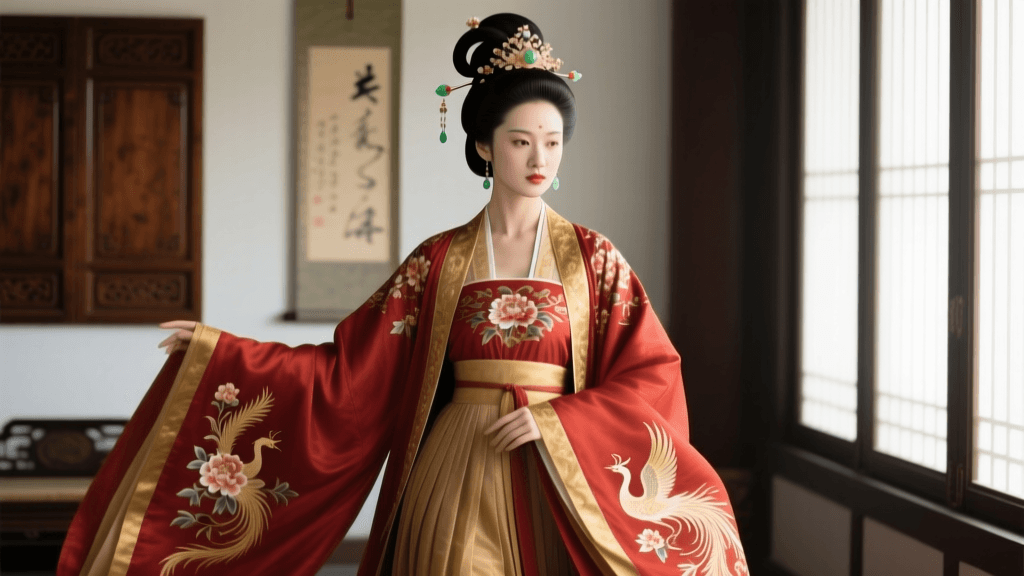
In Western cinema, the kimono and its lighter cousin, the yukata, have historically been utilized as visual shorthand for mystique, elegance, or martial discipline. Films like Memoirs of a Geisha (2005) brought the intricate layers of the kitsuke (the art of wearing a kimono) to mainstream Western audiences, highlighting the meticulous placement of the obi (sash) and the deliberate exposure of the eri (collar) at the nape of the neck. However, media representation is a double-edged sword. While it introduces global audiences to the beauty of Japanese textiles, it often flattens the deep seasonal and social significances of the garments into mere aesthetic costumes.
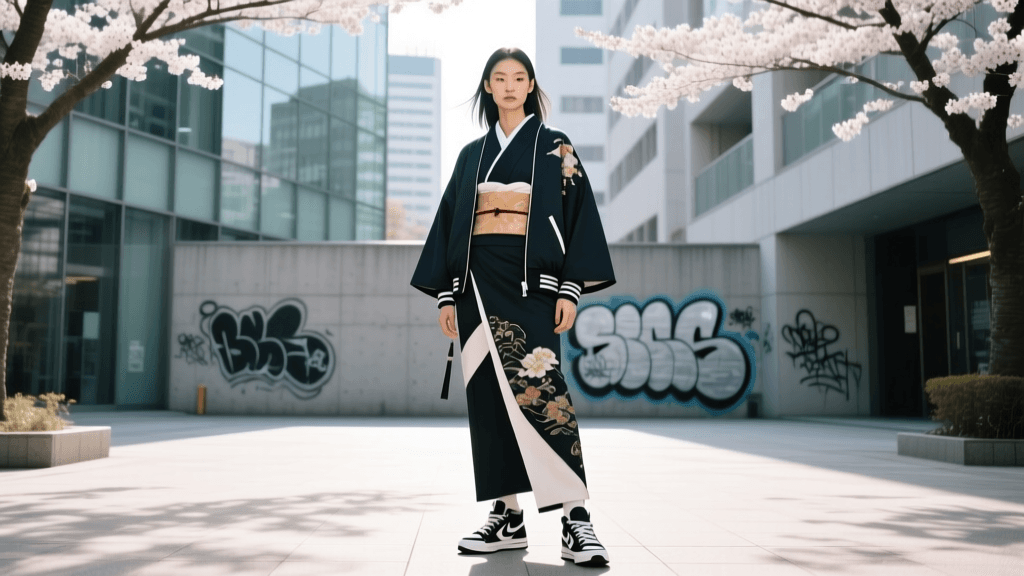
Conversely, the haori (a traditional hip- or thigh-length kimono-style jacket) has found a more organic integration into modern media and everyday global fashion. In anime and manga, which command a massive global following, characters frequently wear modified haori or happi coats, blending traditional silhouettes with futuristic or fantasy elements. This has directly influenced global cosplay communities and avant-garde streetwear brands, who replicate the wide, flowing sleeves and straight-line cuts of the haori to create dramatic, gender-neutral outerwear.
The Sukajan: From Yokosuka to Global Streetwear Staple
Perhaps no traditional-adjacent Japanese garment has conquered global pop culture quite like the sukajan, or souvenir jacket. Originating in the port city of Yokosuka just after World War II, American servicemen commissioned local tailors to embroider traditional Japanese motifs—dragons, koi fish, cherry blossoms, and eagles—onto silk and rayon bomber jackets. Today, the sukajan is a cornerstone of global streetwear, worn by everyone from Drake and A$AP Rocky to John Mayer and Rihanna.
Actionable Guide: Sourcing and Styling the Sukajan
For collectors and fashion enthusiasts looking to integrate a sukajan into a modern wardrobe, understanding the nuances of vintage versus contemporary reproduction is crucial.
- Vintage (1950s-1970s): Look for single-stitch embroidery, rayon or acetate shells, and a slightly cropped, boxy fit. Expect to pay between $300 and $800 depending on the condition and density of the embroidery. Check the lining; vintage pieces often feature contrasting quilted linings or secondary, subtler embroidery.
- Modern Reproductions: Brands like Tailor Toyo and Kosho & Co. produce museum-quality replicas. These typically cost between $150 and $400. They use modern rayon blends and multi-stitch embroidery for durability.
- Fit and Measurements: Sukajan are meant to sit at the natural waist. When buying online, prioritize the Pit-to-Pit measurement (ideal: 20-22 inches for a standard medium) and Shoulder-to-Cuff (ideal: 24-26 inches). Do not rely on standard Western sizing, as Japanese vintage cuts run significantly smaller in the torso.
High Fashion's Runway Romance with Traditional Silhouettes
The global high fashion industry has long maintained a love affair with Japanese construction. In the 1980s, designers like Issey Miyake, Yohji Yamamoto, and Rei Kawakubo (Comme des Garçons) deconstructed Western tailoring by introducing the flat, two-dimensional cutting techniques inherent to the kimono. Unlike Western garments, which are cut and darted to follow the curves of the human body, the kimono is cut in straight lines from single bolts of fabric, creating volume and drape that moves with the wearer.
Today, European luxury houses frequently borrow from the Japanese sartorial lexicon. The obi belt has been reimagined as wide, corset-like waist cinchers over tailored blazers. The kimono sleeve—characterized by its deep, sweeping drop-shoulder and wide armhole—is now a standard silhouette in contemporary women's luxury outerwear. According to the Victoria and Albert Museum's "Kimono: Kyoto to Catwalk" exhibition, the garment's influence on European fashion dates back to the late 19th century, but its modern iteration is defined by a structural rebellion against restrictive Western tailoring.
Practical Guide: Integrating Japanese Garments into Modern Wardrobes
Transitioning traditional pieces into a contemporary, daily wardrobe requires a balance of respect for the garment's origins and an eye for modern proportion. Below is a structured guide to styling and maintaining these pieces.
| Garment Type | Modern Styling Application | Sourcing & Estimated Cost | Care Protocol |
|---|---|---|---|
| Haori | Worn open as a duster coat over a monochromatic turtleneck and tailored trousers. Belted at the back using the haori himo (ties) for a cinched silhouette. | Vintage markets (Shimokitazawa, Tokyo) or Etsy. $80 - $250. | Dry clean only. Store flat or on wide, padded hangers to prevent shoulder dimpling. |
| Obi Belt | Wrapped over an oversized linen blazer or a crisp white button-down shirt to create an avant-garde, structured waistline. | Antique kimono dealers or upcycled vintage shops. $40 - $150. | Spot clean with a damp cloth. Avoid folding; roll loosely to preserve the stiff inner core. |
| Jinbei | Worn as a relaxed, two-piece summer lounge set or beach cover-up. Pair the top with modern denim cutoffs for a hybrid streetwear look. | Japanese lifestyle brands (e.g., MUJI, Uniqlo). $30 - $60. | Machine wash cold in a mesh bag. Hang dry to prevent cotton shrinkage. |
| Noragi | Layered over a heavyweight hoodie and wide-leg denim. The sashiko stitching adds intense textural contrast to modern streetwear. | Specialty heritage brands (e.g., Kapital, Visvim). $300 - $1,200. | Hand wash in cold water with mild detergent. Do not wring; press out water and dry in the shade. |
Navigating Cultural Appreciation vs. Appropriation
As Japanese fashion continues to permeate global media, the line between cultural appreciation and cultural appropriation is a vital conversation. When global pop stars wear a kimono as a provocative stage costume, often tying the obi in the front (a historical marker for sex workers in the Edo period) or wearing the collar right-over-left (the traditional dressing for the deceased), it sparks valid criticism from the Japanese diaspora and cultural historians.
True appreciation involves understanding the kitsuke rules and the historical weight of the textiles. Institutions like the Metropolitan Museum of Art's collection of Japanese textiles and the Kyoto Costume Institute provide invaluable resources for those looking to educate themselves on the proper context, seasonal motifs, and formal hierarchies of these garments. By sourcing from authentic Japanese artisans, understanding the geometry of the cut, and respecting the cultural codes of wear, global fashion enthusiasts can celebrate Japanese heritage without reducing it to a fleeting pop-culture costume.
Conclusion
The journey of the kimono, haori, and sukajan from localized cultural artifacts to global pop culture icons is a testament to the enduring power of Japanese design. Whether through the cinematic lens of Hollywood, the lyrical bravado of hip-hop, or the structural innovation of the Parisian runway, traditional Japanese garments continue to challenge and expand the boundaries of global fashion. For the modern wearer, integrating these pieces is not just an aesthetic choice, but an engagement with centuries of textile history, craftsmanship, and cross-cultural dialogue.