The Hanfu Revival: From Niche Markets to Global E-Commerce
The Intersection of Ancient Tradition and Modern Technology
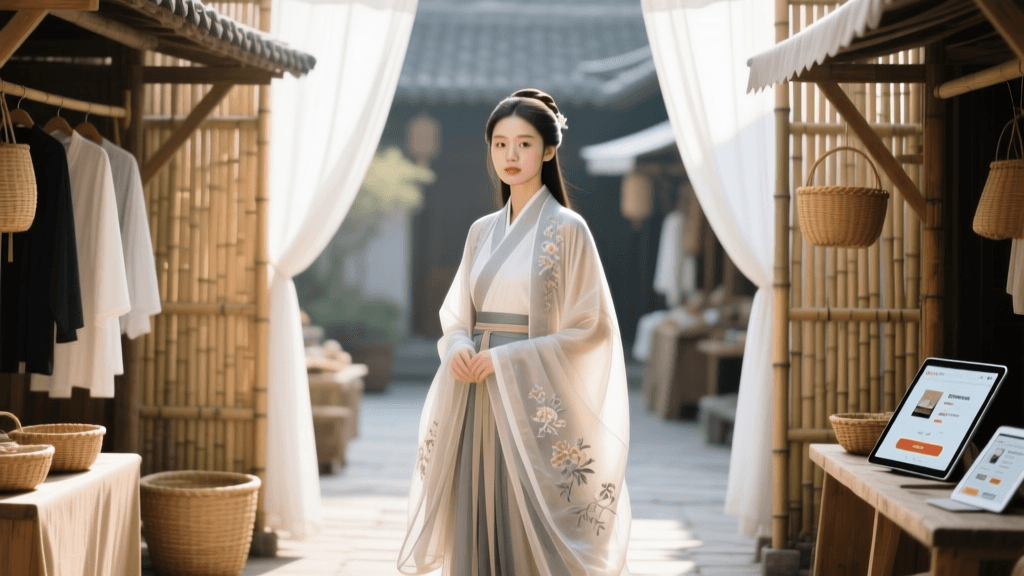
The story of traditional Chinese clothing, known collectively as Hanfu, is one of profound cultural resilience. For decades, the daily wearing of Hanfu was largely confined to historical reenactments, cinematic productions, and niche academic circles. However, the 21st century has witnessed a monumental shift. What began as a grassroots cultural movement in the early 2000s has exploded into a multi-billion-dollar global industry, driven almost entirely by the rapid evolution of e-commerce. Today, a consumer in New York, London, or Singapore can purchase a meticulously crafted Ming dynasty-style Mamianqun (pleated skirt) with the same ease as ordering a smartphone case. This article explores the fascinating journey of the Hanfu market from bespoke, localized tailors to the hyper-efficient, globalized e-commerce ecosystem, providing actionable advice for modern buyers navigating this vibrant digital landscape.
Historical Roots: Tailors, Silk, and Early Markets
To understand the magnitude of the e-commerce revolution, one must first look at how traditional Chinese garments were historically acquired. For centuries, clothing production was a localized, labor-intensive process. As detailed by the Metropolitan Museum of Art, historical Chinese dress was deeply tied to social hierarchy, regional climate, and intricate textile arts. Garments were rarely bought 'off the rack.' Instead, families purchased raw fabrics—ranging from humble hemp and linen to luxurious silks—and employed local tailors or relied on domestic needlework to construct their clothing.
The foundation of this historical market was, of course, silk. The mastery of sericulture was a closely guarded secret that shaped global trade routes. The profound cultural and economic importance of this craft is recognized globally, with UNESCO inscribing Chinese sericulture and silk craftsmanship on the Representative List of the Intangible Cultural Heritage of Humanity. In the pre-internet era, acquiring authentic, high-quality silk Hanfu outside of China was nearly impossible, limited to specialized import shops or custom commissions that took months to fulfill and cost thousands of dollars.
The Digital Renaissance: How E-Commerce Sparked a Revival
The modern Hanfu revival began on early internet forums and BBS (Bulletin Board Systems) in the early 2000s, where enthusiasts shared historical research and DIY sewing patterns. According to comprehensive historical overviews like those found on Wikipedia's Hanfu Movement page, these early adopters faced significant hurdles: a lack of commercial suppliers, widespread public misunderstanding, and the high cost of custom tailoring.
The turning point arrived with the maturation of China's domestic e-commerce giants, particularly Taobao and Tmall. These platforms democratized the market by connecting small, passionate Hanfu studios directly with a massive, nationwide consumer base. Suddenly, a small workshop in Chengdu specializing in Song dynasty aesthetics could sell to a college student in Beijing without the need for a physical storefront. This direct-to-consumer model drastically reduced overhead costs, allowing studios to reinvest in historical research and better materials.
Furthermore, the e-commerce boom gave rise to specialized manufacturing hubs. Caoxian County in Shandong Province, once known primarily for performance costumes and children's photography outfits, pivoted to capitalize on the Hanfu trend. Today, Caoxian produces a significant percentage of the world's Hanfu, leveraging e-commerce data to rapidly prototype, manufacture, and distribute garments at unprecedented speeds.
Actionable Guide: Navigating the Modern Hanfu E-Commerce Landscape
For international buyers and newcomers, the sheer volume of online Hanfu retailers can be overwhelming. Here is a practical guide to finding authentic, high-quality garments online.
Where to Shop
- Taobao / Tmall: The undisputed kings of Hanfu retail. Tmall hosts official flagship stores for top-tier brands, ensuring authenticity and quality control. Taobao offers a wider range of independent, smaller studios.
- AliExpress: Best for international buyers who do not have access to Chinese payment methods or consolidated shipping warehouses. While the selection is smaller, shipping is direct and buyer protection is robust.
- Independent Global Boutiques: Websites like Newhanfu or specialized Instagram-based vendors cater specifically to Western markets, offering curated selections and English-language customer support, albeit at a premium markup.
Crucial Search Terms
When searching on Chinese platforms, using the correct terminology is vital to avoid cheap costumes.
- 正统汉服 (Orthodox Hanfu): Use this to find historically accurate garments based on archaeological findings and historical texts.
- 古装 (Ancient Costume): Avoid this term if you want historical accuracy. It usually yields theatrical, Xianxia-style fantasy costumes with zippers and synthetic fabrics.
- 明制 (Ming System) / 宋制 (Song System) / 唐制 (Tang System): Search by specific dynasty to narrow down the silhouette you desire.
Price and Quality Tiers in Online Hanfu Retail
Understanding the pricing structure of online Hanfu is essential for setting expectations regarding fabric quality, construction techniques, and historical accuracy. Below is a comparison chart of the current market tiers.
| Tier | Price Range (USD) | Fabric & Materials | Construction & Details | Best For |
|---|---|---|---|---|
| Budget / Entry | $25 - $60 | Polyester, cotton blends, basic chiffon. | Machine-made, simple cuts, printed patterns rather than woven or embroidered. | First-time buyers, casual streetwear, cosplay, hot weather. |
| Mid-Tier | $70 - $180 | Cotton-linen, jacquard, faux silk, basic brocade. | Better tailoring, woven patterns, some hand-finished details, accurate historical silhouettes. | Regular wearers, festival attendees, photography enthusiasts. |
| High-End / Luxury | $200 - $800+ | 100% Mulberry silk, authentic Yunjin brocade, natural dyes. | Hand-embroidery (Su embroidery), traditional loom weaving, bespoke sizing, museum-grade accuracy. | Collectors, formal ceremonies, historical preservationists. |
Fabric Choices in the E-Commerce Era
One of the greatest advantages of modern e-commerce is the detailed transparency regarding fabrics. Historically, buyers had to rely on touch. Today, reputable online stores provide macro-photography and exact textile compositions. When shopping, pay close attention to the seasons. For summer, look for Xiangyunsha (a traditional mud-silk dyeing technique that is highly breathable) or lightweight linen. For winter, e-commerce vendors now offer Hanfu lined with synthetic down or traditional wool blends, complete with removable faux-fur collars (Piling) that mimic Ming dynasty winter wear. Always check the fabric weight (measured in momme for silk or grams per square meter for cotton) listed in the product details to ensure it suits your local climate.
Practical Tips for Sizing, Shipping, and Timing
Mastering the Measurements
Traditional Chinese clothing is inherently forgiving due to its flat-cut construction and reliance on ties rather than buttons or zippers. However, e-commerce sizing charts can be confusing. Do not rely on standard S/M/L labels, as Asian sizing runs significantly smaller than Western sizing. Instead, always use the detailed measurement charts provided in the product images. You will need:
- Height and Weight: Used primarily to determine skirt length and overall drape.
- Bust and Waist: Crucial for the upper garment (Ao or Shan) to ensure the crossover collar lies flat without gaping.
- Arm Length (Yi Chang): Traditional sleeves often extend past the fingertips. Measure from the base of your neck, across your shoulder, and down to your wrist or desired sleeve length to ensure the iconic elegant drape.
Strategic Timing for Purchases
E-commerce in China operates on a massive promotional calendar. To get the best deals on mid-to-high-tier Hanfu, time your purchases around these major shopping festivals:
- 6.18 (June 18th): The mid-year shopping festival, excellent for buying lightweight summer Hanfu.
- 11.11 (Singles Day): The largest global shopping event. Studios release their highly anticipated autumn and winter collections, and discounts on luxury brocades can reach 20-30%.
- Chinese New Year (Jan/Feb): Best time to buy festive, red-toned Ming dynasty garments, though shipping delays should be expected due to factory closures.
Global Shipping Logistics
If buying directly from Taobao, international buyers should utilize the platform's official consolidated shipping (Cainiao). This allows you to purchase from multiple independent Hanfu studios, have them shipped to a domestic warehouse, and then combined into a single international parcel, drastically reducing air freight costs.
Avoiding Pitfalls: Identifying 'Hanfu-Inspired' vs. Authentic
As the market has grown, so has the proliferation of 'Hanfu-inspired' fast fashion. While there is nothing wrong with modern interpretations, buyers seeking traditional garments must know how to spot the differences online. Authentic Hanfu will feature traditional closures, such as fabric ties and hidden internal straps, rather than metal zippers or velcro. Furthermore, the collar should always cross left over right (for the living), a rule strictly adhered to by reputable e-commerce vendors. Check the seller's community reviews; authentic studios often post historical references, museum artifact comparisons, and pattern drafts alongside their product photos to prove their dedication to historical accuracy.
Conclusion
The journey of Hanfu from the localized tailors of antiquity to the digital storefronts of the modern era is a testament to the enduring appeal of traditional Chinese culture. E-commerce has not merely commercialized Hanfu; it has democratized access, funded historical research, and connected a global diaspora with their sartorial heritage. By understanding the nuances of online platforms, fabric tiers, and sizing metrics, modern consumers can confidently navigate this booming market, ensuring that the legacy of Asian traditional garments continues to thrive in the digital age.