Kimono Dress Codes: Navigating Formal Japanese Occasions
The Language of Silk: Understanding TPO in Japanese Dress
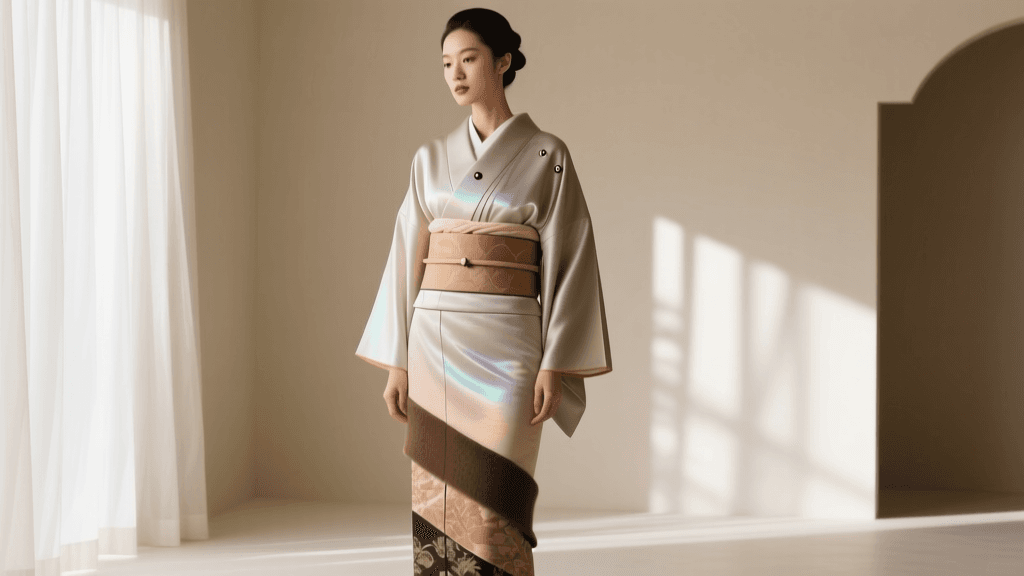
In the intricate world of traditional Japanese clothing, the kimono is far more than a beautiful garment; it is a complex visual language. Rooted deeply in the concept of TPO—Time, Place, and Occasion—kimono etiquette dictates exactly what should be worn, when, and by whom. Navigating these formal dress codes can seem daunting to the uninitiated, but understanding the hierarchy of formality is essential for anyone looking to participate respectfully in Japanese ceremonies, weddings, and tea gatherings. As highlighted by the Victoria and Albert Museum's comprehensive kimono exhibitions, the evolution of these garments is tightly interwoven with social status and strict sartorial rules that persist in modern Japan.
The Hierarchy of Formality: A Structured Guide
To understand kimono dress codes, one must first recognize the rigid hierarchy that separates casual daily wear from high formal attire. The formality of a kimono is determined by several factors: the presence and number of family crests (kamon), the type of silk used, the dyeing technique, and the accompanying accessories. Below is a comprehensive comparison chart detailing the primary formal kimono types.
| Kimono Type | Formality Level | Target Wearer | Appropriate Occasions | Required Obi Type |
|---|---|---|---|---|
| Kurotomesode | Ultra-Formal | Married Women | Weddings (immediate family) | Fukuro Obi (Gold/Silver) |
| Irotomesode | Ultra-Formal | Married/Unmarried | Weddings (close relatives) | Fukuro Obi |
| Furisode | Ultra-Formal | Unmarried Women | Coming of Age, Weddings | Fukuro Obi |
| Houmongi | Formal | Married/Unmarried | Tea ceremonies, Galas | Fukuro / Nagoya Obi |
| Tsukesage | Semi-Formal | Married/Unmarried | Parties, Graduations | Nagoya Obi |
| Iromuji | Semi-Formal | Married/Unmarried | Tea ceremonies, Visits | Nagoya Obi |
Kurotomesode and Irotomesode: The Pinnacle of Elegance
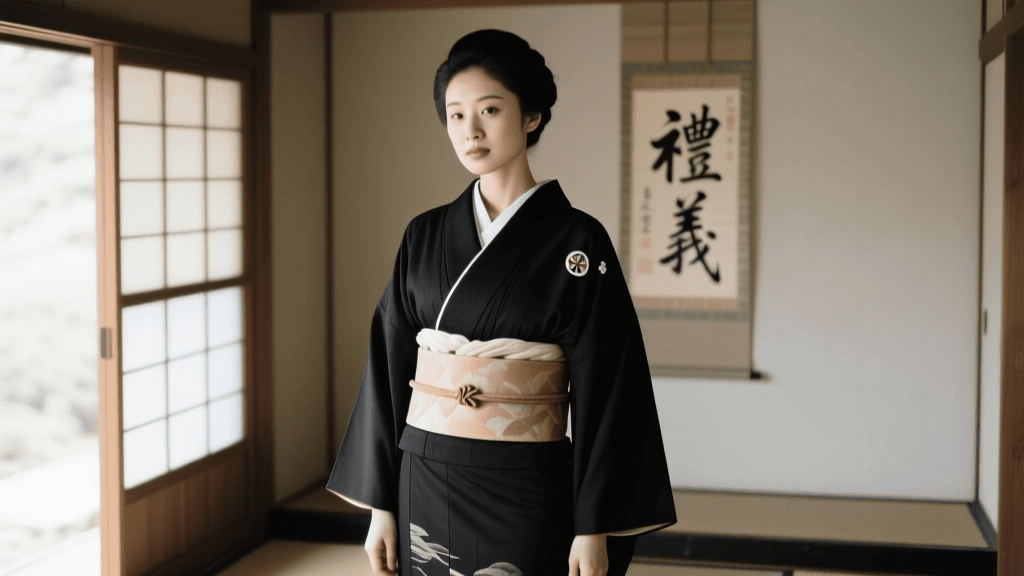
The kurotomesode (black short-sleeve) is the most formal kimono for married women. It is always black and features exactly five family crests (itsutsu-mon) placed on the back, chest, and sleeves. The patterns are restricted to the lower half of the garment (the edo-moyo) and often feature auspicious motifs like cranes, pine trees, or flowing water, heavily embroidered with gold and silver threads. It is exclusively worn by the mothers of the bride and groom, or the matchmakers (nakodo) at a wedding. The irotomesode follows the same structural rules but is dyed in a color other than black. It is appropriate for close female relatives of the bride and groom who are not the mothers. Both require a highly formal fukuro obi woven with metallic threads and pristine white tabi socks.
Furisode: The Unmarried Woman's Statement
For young, unmarried women, the furisode (swinging sleeves) is the ultimate formal garment. The defining characteristic is the sleeve length, which ranges from 100 cm to an astonishing 114 cm (known as oh-furisode). These sweeping sleeves historically served to ward off evil spirits and signal availability for marriage. Today, furisode are the mandatory attire for Seijin-shiki (Coming of Age Day) and are widely worn by unmarried sisters or friends attending a wedding. According to cultural archives at the Metropolitan Museum of Art's Asian Art Department, the vibrant, all-over patterns of the furisode represent the youthful vitality and celebratory nature of the wearer's life stage.
Houmongi and Tsukesage: Versatile Formality
The houmongi (visiting wear) is a highly versatile formal kimono suitable for both married and unmarried women. Its distinguishing feature is the eba-moyo pattern, which is dyed across the fabric seams so that the design flows continuously over the shoulders, sleeves, and hem when the kimono is laid flat. It is the perfect choice for attending tea ceremonies, formal dinners, or gallery openings. The tsukesage is slightly less formal; its patterns do not cross the seams and are generally confined to the upper body and lower hem. It is an excellent, slightly more subdued choice for graduation ceremonies or formal luncheons.
Crucial Etiquette Rules: The Devil is in the Details
Wearing the correct kimono is only half the battle; how it is worn is equally scrutinized. Adhering to these practical rules is non-negotiable in formal settings:
- The Collar (Eri): The left side of the collar must always cross over the right. Wrapping the right side over the left is strictly reserved for dressing the deceased for burial. A common mnemonic for foreigners is 'left over right, always.'
- The Hemline (Ohashori): For formal occasions, the kimono should be long enough to conceal the ankles entirely, with the excess fabric folded at the waist to create a neat, horizontal tuck called the ohashori. Showing the ankle or the tabi sock is considered sloppy and strictly casual.
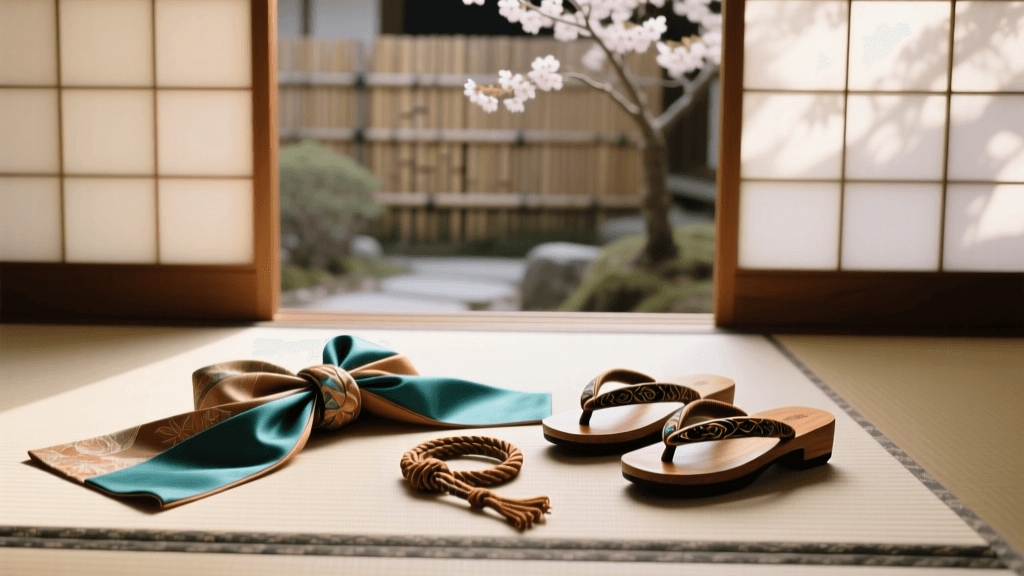
- Footwear: Formal kimono demand zori (flat, woven or brocade sandals), never geta (wooden clogs), which are for casual yukata. Furthermore, tabi (split-toe socks) must be pristine white for any formal event. Colored or patterned tabi are reserved for casual wear or specific stage performances.
- The Obi Knot (Musubi): The style of the obi knot indicates age and formality. Older, married women typically wear the taiko-musubi (drum knot), which is flat, neat, and dignified. Younger women may wear the fukura-suzume (sparrow knot) or other decorative, voluminous knots.
Seasonality (Kisetsukan): Timing is Everything
Japanese aesthetics place immense importance on kisetsukan (seasonal feeling). Wearing a summer kimono in winter, or sporting autumn motifs in spring, is a major faux pas.
- October to May: Awase (lined kimono) are worn to provide warmth.
- June and September: Hitoe (unlined kimono) are appropriate for the transitional weather.
- July and August: Ro or Sha (sheer, woven silk) are mandatory to combat the humid Japanese summer.
Furthermore, motifs must anticipate the season rather than reflect it. Cherry blossom motifs should be worn in late March, just before the flowers peak, while maple leaves are worn in late autumn. Wearing a motif exactly when it is blooming outside is considered slightly past its prime.
Practical Advice: Renting, Buying, and Costs
For international visitors or those attending a single formal event, purchasing a full formal kimono ensemble is often cost-prohibitive. A brand-new, high-quality furisode or kurotomesode, complete with a silk fukuro obi, obijime (cord), and obiage (sash), can easily cost between $3,000 and $10,000 USD.
Instead, renting is the standard practice, even among many Japanese women. In cultural hubs like Kyoto and Tokyo's Asakusa district, rental shops offer comprehensive packages.
- Cost: Expect to pay between $80 and $250 USD for a full-day formal rental, which includes the kimono, obi, all necessary undergarments (juban, koshihimo ties), zori, and a professional dressing service (kitsuke).
- Timing: For peak seasons—such as the Cherry Blossom season (late March/early April), Autumn foliage (November), or Coming of Age Day (the second Monday of January)—you must book your rental and dressing appointment 2 to 3 months in advance.
- Measurements: While kimono are generally one-size-fits-most, the length is adjusted via the ohashori. If you are exceptionally tall (over 175 cm / 5'9"), you must notify the rental shop in advance to ensure they have a se-taka (tall-size) kimono available, as standard lengths will result in an awkwardly short hemline.
Conclusion
Mastering kimono dress codes is a profound way to show respect for Japanese heritage. Whether you are attending a wedding in a rented houmongi or observing a tea ceremony, understanding the silent language of silk, crests, and seasonal motifs transforms the act of dressing into a deeply cultural experience. For those planning to explore these traditions firsthand, the Kyoto City Official Travel Guide offers excellent resources on local etiquette, seasonal events, and certified dressing professionals who can ensure your attire is flawless. By honoring the rules of TPO, you do not just wear a garment; you participate in a living, breathing art form that has defined Japanese elegance for centuries.