Essential Guide to Kimono Accessories: Obi, Zori, and More
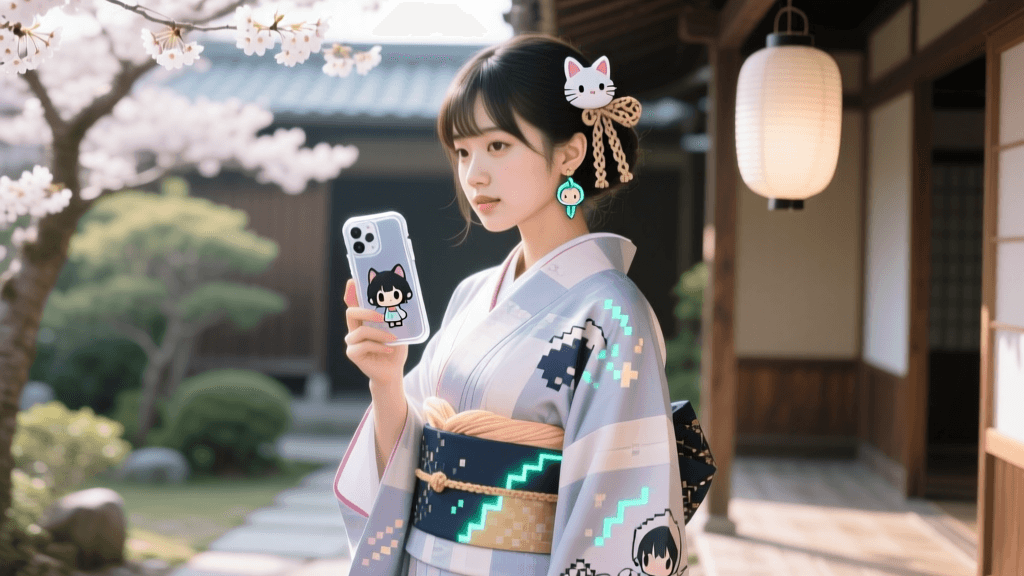
When stepping into the world of traditional Japanese clothing, the kimono itself is only the beginning. The true artistry and complexity of kitsuke (the art of dressing in a kimono) lie in the meticulous selection and coordination of its accessories. In Japanese fashion terminology, this complete ensemble is known as the coordinate. A flawless coordinate balances color, texture, seasonality, and formality, transforming a simple silk garment into a profound cultural statement.
The global fascination with these intricate garments has grown significantly in recent years. As highlighted during the Victoria and Albert Museum's landmark exhibition, which was extensively covered by the BBC and The Guardian, the kimono is not merely a historical relic but a dynamic, evolving fashion system. To truly appreciate and wear this system, one must understand the vital roles played by the obi, zori, and the myriad of smaller accessories that hold the ensemble together.
The Obi: The Focal Point of the Ensemble
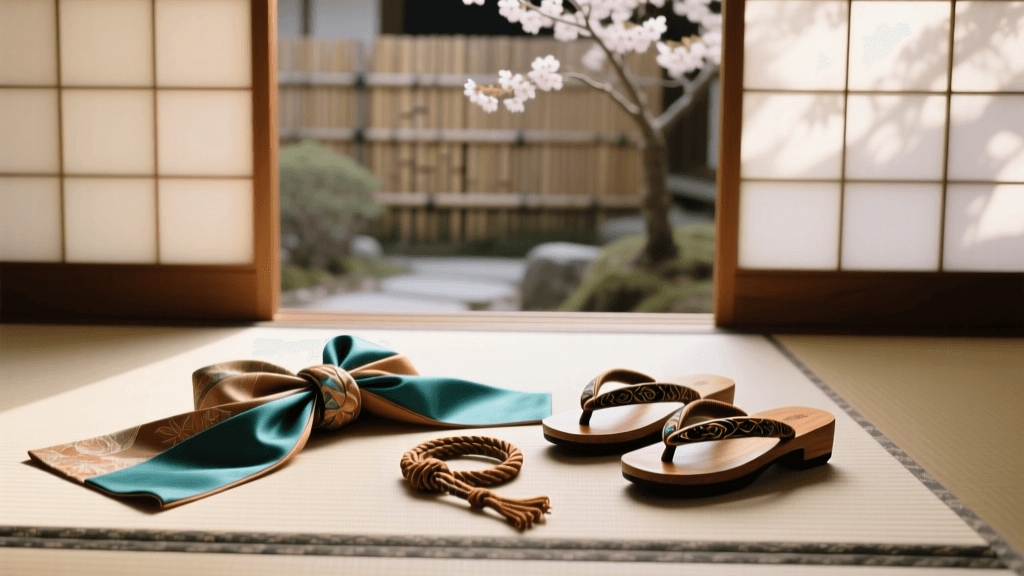
The obi is the wide sash that secures the kimono at the waist. Far from being a simple belt, the obi is often the most expensive and visually striking element of the coordinate. Choosing the right obi requires an understanding of its dimensions, formality, and the specific knots (musubi) it can support.
Types of Obi
- Fukuro Obi: The most formal type of obi worn by women today. It is typically fully patterned on one side and made of luxurious brocade or silk. It requires a pillow (obiage) and specific tying techniques to create voluminous, structured knots.
- Nagoya Obi: Invented in the 1920s for ease of dressing, the Nagoya obi is pre-folded and stitched along part of its length. It is narrower at the ends to reduce bulk around the waist while maintaining a wide, formal appearance at the back knot.
- Hanhaba Obi: Translating to "half-width obi," this is a casual, unlined sash usually worn with yukata (summer cotton kimono) or casual wool/kimono. It is highly versatile and allows for playful, intricate knots without the need for internal padding.
Obi Comparison Chart
| Obi Type | Width / Length | Formality Level | Common Musubi (Knots) |
|---|---|---|---|
| Fukuro Obi | ~31cm / 4.2m - 4.5m | Formal to Semi-Formal | Nijuudaiko, Fukura-suzume |
| Nagoya Obi | ~31cm / 3.6m | Semi-Formal to Casual | Otaiko, Ichijuudaiko |
| Hanhaba Obi | ~15cm / 3.6m - 4.0m | Casual / Yukata | Bunko, Katabasami, Asagao |
Actionable Advice: When purchasing a vintage Fukuro obi, always check the "taresaki" (the patterned end that forms the visible part of the knot). Ensure the pattern is continuous and free from deep creases or discoloration, as this area is the focal point of the back.
Footwear: Navigating Zori, Geta, and Tabi
Footwear in traditional Japanese dress is strictly divided between the elevated, formal zori and the wooden, casual geta. Both are worn with tabi, the split-toe socks that are essential for both hygiene and the proper fit of the footwear's thong (hanao).
Zori vs. Geta
Zori are flat or heeled sandals made from materials like brocade, vinyl, leather, or woven straw. They are the only appropriate footwear for formal kimono (such as visiting wear or wedding attire). Geta, on the other hand, are wooden sandals with "teeth" on the bottom. They are strictly casual and are paired with yukata, tsumugi (woven silk), or everyday wool kimono.
Sizing and Heel Heights
Unlike Western shoes, zori and geta are measured in centimeters and should fit slightly smaller than your actual foot. Your heel should overhang the back edge by about 1 to 2 centimeters to prevent the hem of your kimono from dragging on the ground.
- Casual Zori/Geta: Flat profile or a low heel of 2 cm to 3 cm. Ideal for walking long distances or attending casual festivals.
- Standard Formal Zori: Heel height of 4 cm to 5 cm. Perfect for tea ceremonies, graduation ceremonies, and semi-formal gatherings.
- High-Heeled Formal Zori: Heel height of 6 cm to 8 cm. Reserved for weddings and highly formal events. These elevate the kimono hem significantly but require practice to walk in gracefully.
The Hanao (Thong): The color of the hanao dictates the shoe's formality. White or gold hanao are for formal wear, while red, black, or patterned hanao are for casual or semi-formal wear. Ensure the hanao is tightly secured; a loose thong will cause blisters and disrupt your gait.
The Unsung Heroes: Obijime, Obiage, and Undergarments
While the obi and footwear catch the eye, the structural integrity and refined details of the coordinate rely on smaller accessories.
Obijime and Obiage
The Obijime is a braided silk cord tied over the center of the obi knot. It serves a dual purpose: securing the complex folds of the obi and adding a crucial pop of contrasting color. For formal wear, choose a round, tightly braided obijime in gold, silver, or a color that contrasts elegantly with your obi. The standard width is about 1 cm to 1.5 cm.
The Obiage is a rectangular piece of dyed silk (often featuring shibori tie-dye techniques) that wraps around the top of the obi, hiding the obi-makura (the pillow used to give the knot its volume). For formal occasions, the obiage should be tied neatly and only peek out slightly above the obi. For casual wear, it can be tied in decorative knots and displayed more prominently.
Essential Dressing Tools (Koshihimo and Datejime)
To achieve the cylindrical silhouette required for kimono, you must pad the body's natural curves. This requires specific undergarments and tying sashes:
- Koshihimo: Long, thin cotton or silk sashes (approx. 4 cm wide and 100 cm long). You will need 3 to 5 of these to tie the kimono and obi securely in place before the final decorative knot is made.
- Datejime: A wider, stiffer sash (often made of hakata-ori silk or elasticized synthetic material) tied over the koshihimo to flatten the front of the obi and keep the kimono collar in place.
- Nagajuban: The under-kimono. It protects the expensive outer silk from sweat and oils. The collar of the nagajuban (han-eri) is visible at the neckline and should be changed or washed regularly.
Rules of Formality and Color Coordination
Mastering the coordinate requires adhering to the unspoken rules of Japanese color theory and seasonality. Here are actionable guidelines for building your ensemble:
- The Rule of Three: When selecting colors, limit your main palette to three distinct colors. For example, a navy blue kimono, a gold and cream obi, and a crimson obijime. This prevents the ensemble from looking chaotic.
- Seasonal Motifs: Japanese fashion is deeply tied to the calendar. You should wear motifs slightly ahead of the season. Wear cherry blossom (sakura) motifs in late February and March, but never in April when the actual flowers are blooming, as it is considered late. In autumn, opt for maple leaves (momiji) or chrysanthemums.
- Formality Matching: Never pair a highly formal accessory with a casual garment. A gold-threaded Fukuro obi should never be worn with a casual cotton yukata. Conversely, a playful Hanhaba obi is inappropriate for a formal visiting kimono (homongi).
"The beauty of the kimono lies not just in the silk, but in the harmony of its layers. Every cord, every fold, and every thread is a deliberate choice that speaks to the wearer's respect for the occasion and the season."
Shopping, Budgeting, and Timing
Building a collection of kimono accessories can be an investment, but savvy shoppers can find incredible quality at various price points.
- Vintage Markets: For budget-conscious collectors, antique markets like the Toji Temple Flea Market in Kyoto or the Oedo Antique Market in Tokyo are goldmines. You can find vintage silk Fukuro obi for $30 to $100, and gently used zori for under $40. Timing tip: Arrive at flea markets at dawn (around 6:00 AM) for the best selection of silk accessories.
- Department Stores: For brand-new, formal accessories (especially for weddings or coming-of-age ceremonies), visit the kimono floors of major department stores like Mitsukoshi or Takashimaya. Expect to pay $200 to $500 for a new, high-quality Nagoya obi, and upwards of $1,500 for a master-woven Nishijin Fukuro obi.
- Online Communities: Platforms like Rakuten, Yahoo! Auctions Japan, and specialized English-language kimono Facebook groups are excellent for sourcing specific vintage kanzashi (hair ornaments) and rare obijime cords. Always request detailed photos of the gold foil and silk condition before purchasing vintage cords, as the metallic threads can tarnish or snap over time.
Conclusion
The world of kimono accessories is vast, steeped in history, and governed by a beautiful, intricate logic. From the structural necessity of the koshihimo to the crowning glory of a perfectly tied Fukuro obi, each element plays a vital role in the art of kitsuke. By understanding the measurements, formality rules, and seasonal nuances of these accessories, you move beyond simply wearing a garment to participating in a living, breathing cultural tradition. Whether you are sourcing vintage treasures at a Kyoto flea market or investing in a bespoke formal zori, the journey of building your coordinate is as rewarding as the final, flawless ensemble itself.