Anime Kimono Fashion: The Ultimate Ita-Kimono Styling Guide
The Rise of Ita-Kimono and Anime-Traditional Crossovers
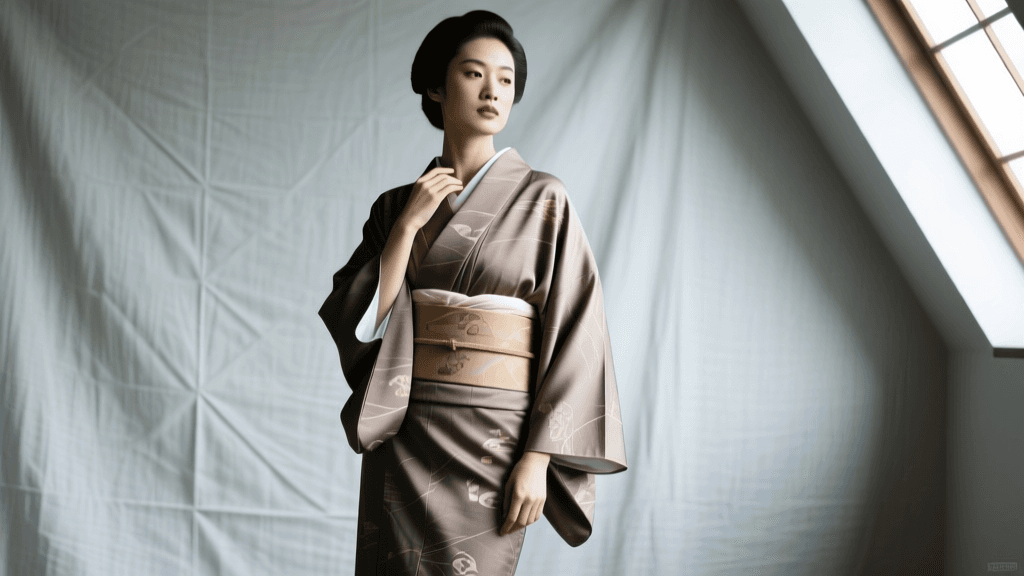
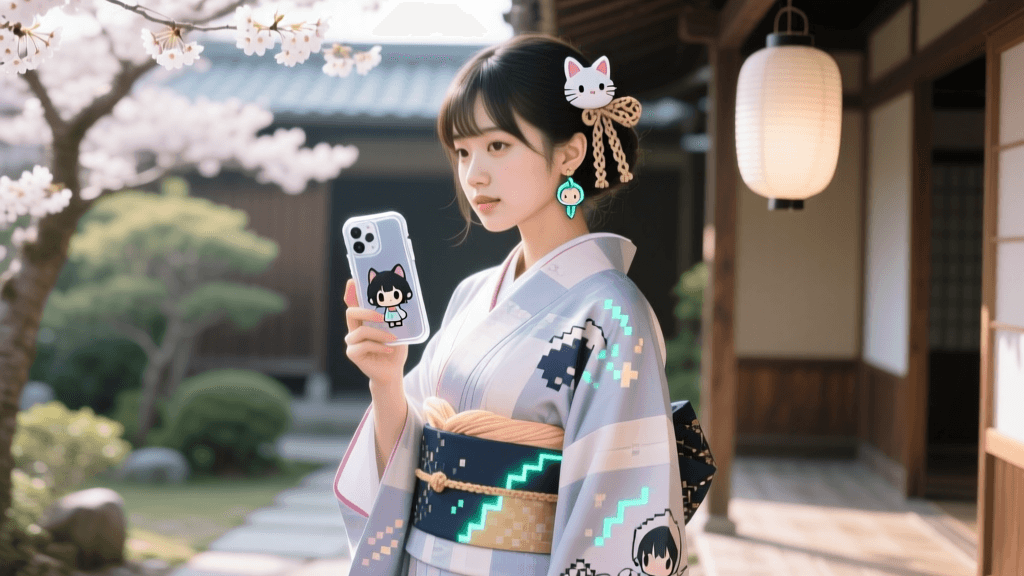
The intersection of traditional Japanese garments and contemporary pop culture has birthed a vibrant, trend-driven subculture known as Ita-Kimono. Derived from the prefix 'ita' (meaning 'painful' or 'extreme,' often used in fandoms to describe overt displays of devotion like itabags or itasha cars), Ita-Kimono refers to the styling of traditional kimono and yukata with bold, unapologetic anime, manga, and cosplay-inspired elements. Unlike subtle, high-fashion collaborations that merely hint at a character's color palette, Ita-Kimono embraces the theatricality of fandom while respecting the foundational silhouettes of Japanese heritage wear.
This movement has played a pivotal role in revitalizing the kimono industry among younger demographics. As noted by curators at the Victoria and Albert Museum's 'Kimono: Kyoto to Catwalk' exhibition, the kimono has never been a static garment; it has continuously evolved to reflect the social and cultural currents of its time. Today, the influence of anime and manga is one of the most significant drivers of innovation in traditional Japanese fashion, transforming historic weaving towns and rental shops into hubs of geek-chic creativity.
Sourcing Authentic and Anime-Licensed Garments
Building an Ita-Kimono wardrobe requires knowing where to source garments that balance traditional construction with pop-culture aesthetics. You generally have three avenues: official collaborations, specialized rental shops, and the second-hand market.
Official Brand Collaborations
Brands like Super Groupies are pioneers in translating anime aesthetics into high-quality, wearable traditional fashion. They frequently release limited-edition yukata and kimono sets inspired by series like 'Sailor Moon,' 'Demon Slayer,' and 'Evangelion.' These garments are typically made from high-grade polyester or washable silk blends, featuring hidden character motifs, custom-dyed linings, and matching obi belts. Expect to invest between 30,000 and 50,000 JPY (approximately $200 to $350 USD) for a complete, officially licensed set.
Kyoto Rental Shops and Anime Coordinate Plans
For tourists and convention attendees, renting is a highly practical option. Many shops in Kyoto and Tokyo now offer specific 'Anime Coordinate' plans. Establishments like Kyoto Kimono Rental provide curated outfits that mimic popular anime characters, complete with stylized hair and character-specific props. These experiences typically cost between 6,000 and 9,000 JPY ($40 to $60 USD) for a full day, making it an accessible way to participate in the trend without the commitment of purchasing and storing delicate garments.
Comparison Chart: Traditional vs. Ita-Kimono vs. Full Cosplay
Understanding the boundaries between these three styles is crucial for dressing appropriately for different events, from tea ceremonies to Comic Market (Comiket).
| Feature | Traditional Kimono | Ita-Kimono (Anime Crossover) | Full Anime Cosplay |
|---|---|---|---|
| Silhouette & Rules | Strict adherence to traditional kitsuke (dressing rules), standard collar depths, and formal obi knots. | Traditional base silhouette, but allows for relaxed collar pulls, creative obi knots, and mixed-modern accessories. | Silhouette is entirely dictated by the 2D character design; often ignores traditional wrapping rules. |
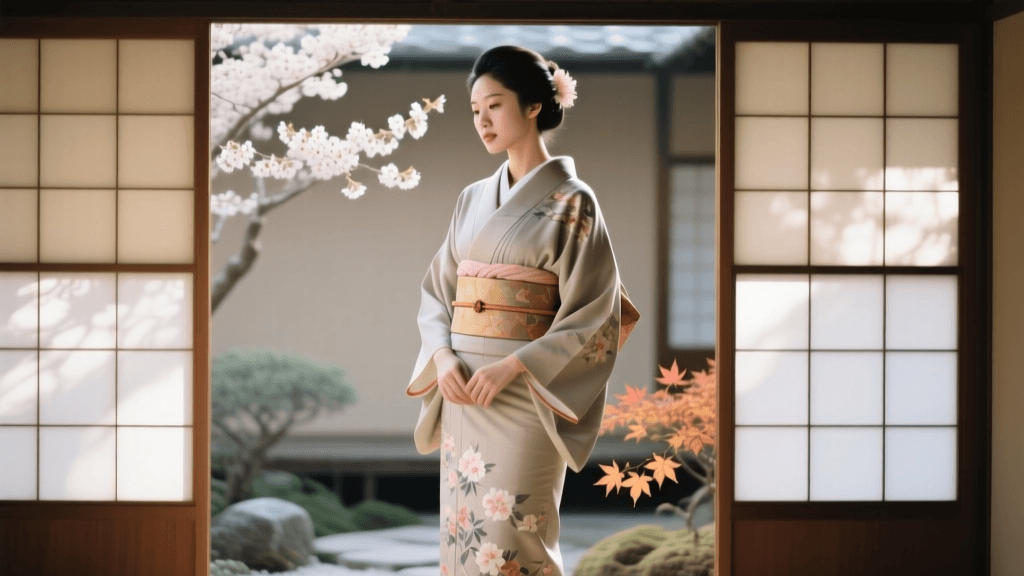
| Fabrics & Motifs | Seasonal motifs (cherry blossoms in spring, maple leaves in autumn), silk, hemp, or cotton. | Character image colors, anime clan crests (mon), pop-art linings, polyester or washable blends. | Cosplay-specific fabrics (spandex, EVA foam, worbla), screen-printed graphics. |
| Footwear | Tabi socks with zori or geta, matched to the formality of the kimono. | Tabi with modern platform geta, lace-up boots, or customized zori featuring anime charms. | Character-specific shoes, sneakers, or thigh-high boots. |
| Best Occasions | Tea ceremonies, weddings, formal festivals, shrine visits. | Convention meetups, anime-themed cafes, casual street fashion, summer matsuri. | Cosplay contests, convention floors, dedicated photoshoots. |
Practical Guide: Styling Your Anime Kimono
Styling an Ita-Kimono requires a blend of traditional kitsuke knowledge and modern fashion sensibilities. Here is how to execute the look with precision.
The Obi: Measurements and Knots
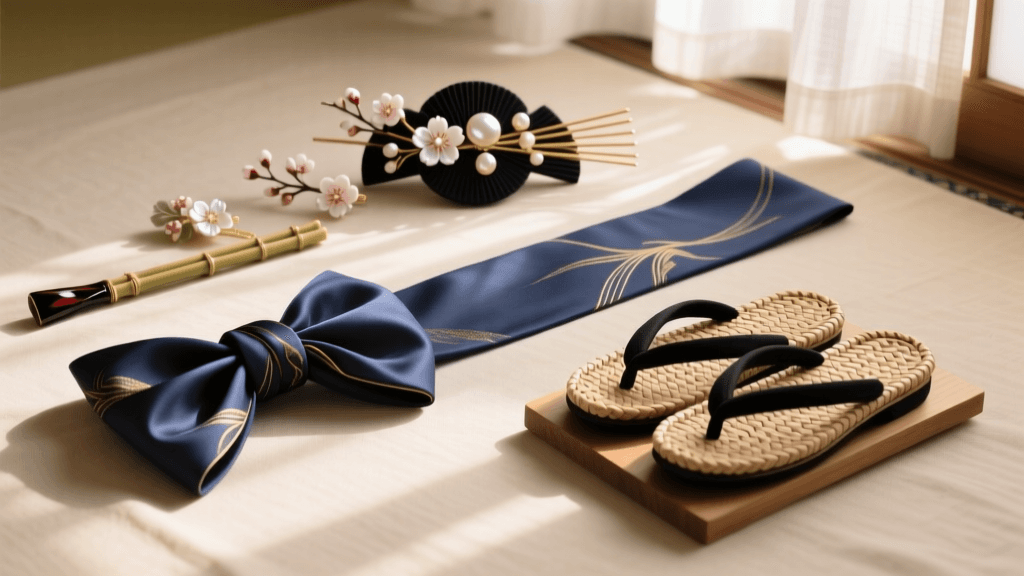
The obi is the centerpiece of any kimono outfit. A standard women's hanhaba (half-width) obi is approximately 15 centimeters wide and 300 centimeters long, while a fukuro (formal) obi is 30 centimeters wide and up to 420 centimeters long. For Ita-Kimono, the hanhaba obi is preferred because it allows for highly decorative, unconventional knots.
- The Bunko (Butterfly) Knot: A staple for yukata and casual kimono. In Ita-Kimono styling, the wings of the bunko are often exaggerated and pinned with character-specific brooches or enamel pins.
- The Taiko Musubi (Drum Knot): Traditionally reserved for older women or formal wear, younger anime fans have adapted a 'flat taiko' using brightly colored, licensed obi to mimic the structured uniforms seen in mecha or military-anime genres.
- Obi-jime and Obi-dome: Use the decorative cord (obi-jime) to weave in secondary character colors. Replace the traditional clasp (obi-dome) with custom resin charms or 3D-printed anime artifacts.
Hair, Makeup, and Modern Accessories
While traditional nihongami wigs are beautiful, Ita-Kimono styling heavily borrows from modern anime character designs. Hairstyles often feature gravity-defying spikes, twin-tails, or vividly dyed extensions that match the character's hair. Makeup leans towards the 'igari' (drunk blush) style or sharp, graphic eyeliner reminiscent of manga art styles. Furthermore, it is entirely acceptable to pair a kimono with modern accessories like lace gloves, chokers, or even sleek leather handbags, provided the color harmony remains intact.
Care and Maintenance for Printed and Embellished Garments
Anime-inspired kimonos, particularly those produced for mass-market collaborations, are frequently crafted from high-quality polyester rather than traditional silk. This is a deliberate choice, as it allows for vibrant, sublimation-printed anime graphics and easier maintenance for convention-goers.
Washing Instructions
Unlike silk kimono, which must be professionally dry-cleaned (a process known as 'maruarai' that can cost upwards of 10,000 JPY), polyester anime yukata and kimono can often be hand-washed or machine-washed on a delicate cycle. Always use a mesh laundry bag, cold water, and a neutral pH detergent. Never wring the fabric; instead, roll it in a clean towel to absorb excess moisture and hang it to dry in the shade to prevent UV fading of the printed character motifs.
Storage and Folding
Proper folding is essential to maintain the structural integrity of the garment and prevent permanent creases through printed faces or important emblems. Fold the kimono along its original seam lines (the 'hon-datami' fold). Store the garment flat in a breathable cotton storage case (tatoushi) with silica gel packets to control humidity. Avoid plastic bags, which can trap moisture and cause yellowing or mold, even on synthetic fibers.
'The kimono is not a relic of the past trapped in amber; it is a living canvas. When a young fan wears a Demon Slayer haori over a meticulously tied obi, they are participating in a centuries-old tradition of using clothing to signal identity, allegiance, and artistry.'
— Contemporary Japanese Fashion Historian
Conclusion: Embracing the Crossover
The Ita-Kimono movement represents a beautiful synergy between Japan's rich textile heritage and its modern status as a global pop-culture powerhouse. Whether you are investing in a limited-edition Super Groupies collaboration, renting a coordinated outfit for a day in Kyoto, or hand-sewing your own anime-inspired haori, the key is to wear it with confidence. By understanding the foundational rules of traditional garments, you can break them intentionally and respectfully, creating a fashion statement that honors both the artisans of the past and the animators of the present.