Mastering Kimono Seasons: Awase, Hitoe, And Usu Guide
The Philosophy of Kisetsukan in Japanese Dress
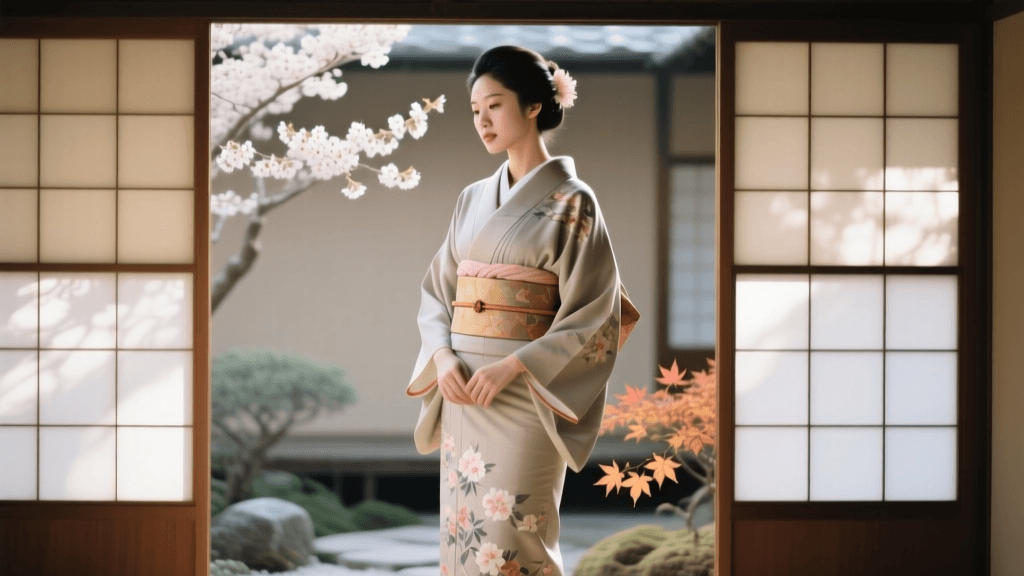
The Japanese concept of kisetsukan (seasonal feeling) is deeply embedded in traditional culture, dictating not just the motifs on a garment, but its very physical construction. Unlike Western fashion, which often prioritizes trend-driven layering, traditional Japanese kimono dressing (kitsuke) adheres to a strict, centuries-old calendar known as koromogae (the changing of clothes). For the modern enthusiast or practitioner, mastering seasonal wear is essential for both physical comfort and cultural respect. According to the Metropolitan Museum of Art, the evolution of the kimono is intrinsically linked to the Japanese reverence for nature and the passing of seasons, a philosophy that manifests in the meticulous selection of fabrics, linings, and weaving techniques throughout the year.
This guide explores the nuanced world of awase, hitoe, and usu kimono, offering actionable dressing techniques, layering strategies, and practical advice to ensure elegance and comfort year-round.
The Three Pillars of Seasonal Kimono
To dress appropriately, one must first understand the three primary structural categories of the kimono, which are defined by their lining and weave.
1. Awase (Lined Kimono)
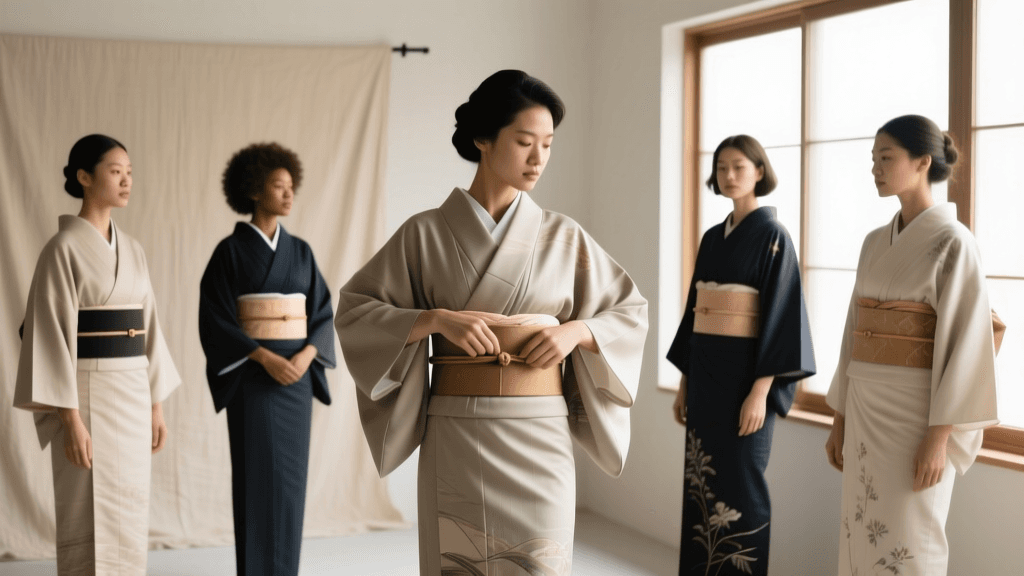
Awase refers to lined kimono, worn during the cooler months from October 1st to May 31st. These garments feature an inner lining, typically made of smooth silk habutae, which provides insulation and helps the outer silk drape gracefully. The lining also protects the delicate outer fabric from sweat and body oils. When dressing in an awase, the standard layering technique applies, utilizing a standard silk or synthetic nagajuban (long undergarment).
2. Hitoe (Unlined Kimono)
Hitoe translates to 'single layer' and refers to unlined kimono worn during the transitional months of June and September. Because there is no lining, the inner seams and the reverse side of the fabric are visible, requiring immaculate tailoring and finished seams. Hitoe garments are often made from crisp, breathable fabrics like tsumugi (pongee silk) or lightweight wool. They provide a bridge between the heavy insulation of winter and the sheer breathability of peak summer.
3. Usu, Ro, and Sha (Sheer Summer Kimono)
Worn exclusively in July and August, usu (thin), ro, and sha kimono are woven with intentional gaps in the fabric to allow maximum airflow. Ro features a distinct striped mesh pattern, while sha has a more uniform, gauze-like weave. Because these garments are translucent, they require specialized summer undergarments and precise dressing techniques to maintain modesty while combating Japan's intense humidity.
The Traditional Koromogae Calendar
The koromogae calendar is strictly observed in formal settings, though modern practitioners may adjust by a few weeks depending on local weather patterns. Below is the traditional schedule for year-round kimono wear.
| Time Period | Kimono Type | Obi Type | Undergarment (Juban) |
|---|---|---|---|
| Oct 1 - May 31 | Awase (Lined) | Fukuro / Brocade | Standard Silk / Synthetic |
| June 1 - June 30 | Hitoe (Unlined) | Nagoya / Hitoe Obi | Standard or Lightly Padded |
| July 1 - Aug 31 | Ro / Sha (Sheer) | Ro / Sha / Hakata | Linen / Hemp / Ro-mesh |
| Sept 1 - Sept 30 | Hitoe (Unlined) | Nagoya / Hitoe Obi | Standard or Lightly Padded |
Pro Tip: If a sudden heatwave strikes in late May, it is culturally acceptable to transition to a hitoe early. The rule of thumb in modern kitsuke is to prioritize the comfort of the wearer while maintaining the visual illusion of the correct season.
Summer Dressing Techniques: Beating the Heat
Dressing in a kimono during the Japanese summer is notoriously challenging due to high heat and oppressive humidity. The goal of summer kitsuke is to minimize skin contact with the fabric and maximize airflow.
- The Summer Juban: Swap your standard silk nagajuban for one made of ro-mesh or ramie. The collar (han-eri) should also be made of sheer or textured fabric like chirimen to prevent it from looking heavy against the sheer kimono.
- Linen Hadajuban and Suteteko: The innermost layer (hadajuban) and leg coverings (suteteko) should be made of pure linen or hemp. These natural fibers wick moisture away from the skin and dry rapidly, preventing the outer kimono from clinging to your legs.
- Eri-Nuki (Collar Pulling): When tying the koshihimo (waist ties), ensure the back of the neck collar is pulled down significantly (eri-nuki). This creates a gap between the fabric and your neck, allowing hot air to escape upwards.
- Cooling Accessories: Modern practitioners often apply cooling gel patches to the back of the neck and shoulders before dressing. Additionally, using a koshihimo made of cooling, breathable mesh rather than traditional cotton or silk reduces core body heat.
Winter Dressing Techniques: Retaining Warmth
Winter kimono dressing focuses on trapping heat without adding bulk, which can ruin the elegant, cylindrical silhouette of the kimono.
- The Haramaki: A traditional haramaki (belly warmer) or a modern silk thermal undershirt worn beneath the hadajuban is essential. Keeping the core warm prevents the body from shivering, which can cause the kimono to shift and untie.
- Fleece-Lined Tabi: Standard cotton tabi socks offer no insulation. For winter, invest in fleece-lined tabi or wear thin, toeless thermal socks underneath your standard tabi.
- Layering with Haori: The haori (kimono jacket) is the primary winter outer layer. For extreme cold, a haori with a quilted or fur lining provides immense warmth. Secure it with a braided haori-himo cord.
- Kimono Shawls: A velvet or wool shawl draped over the shoulders and secured with an obi-dome (obi clip) or hidden clip is a highly practical, retro-chic way to retain heat around the neck and chest.
Obi and Accessory Seasonality
The obi (sash) must also follow the seasonal calendar. The Victoria and Albert Museum highlights how Japanese textile artisans developed specific weaves for different climates, a fact highly evident in obi construction.
In winter, heavy brocade fukuro obi featuring metallic threads, pine, plum, or snow motifs are standard. These thick, stiff obi help hold the heavy awase kimono securely in place. Conversely, summer requires ra or sha obi, which are woven with open gaps. A popular summer choice is the Hakata obi, a tightly woven, thin, and breathable silk sash that provides excellent support without trapping heat. For hitoe months, unlined nagoya obi or obi made of lightweight tsumugi silk are the most appropriate choices.
Building a Seasonal Wardrobe on a Budget
Acquiring a full seasonal wardrobe of brand-new, hand-tailored silk kimono can cost upwards of $10,000. However, modern enthusiasts can build a functional, authentic wardrobe for a fraction of the cost by utilizing Japan's second-hand market.
- Recycle Shops: Chains like Tansu-ya and Chicago in Tokyo or Kyoto offer high-quality, pre-owned kimono. You can find an excellent awase kimono for $30 to $80, and a summer ro kimono for $20 to $50.
- Obi Sourcing: Obi are generally cheaper than kimono on the second-hand market. Look for fukuro obi in the $40-$100 range, and summer Hakata obi for around $30.
- Undergarments: Never skimp on the juban and hadajuban. While outer kimono can be second-hand, undergarments should ideally be purchased new or in pristine condition. Budget around $100 for a high-quality, washable synthetic summer juban and $50 for linen suteteko.
Conclusion
Mastering the seasonal wear and dressing techniques of the kimono is a rewarding journey into the heart of Japanese aesthetics. By understanding the structural differences between awase, hitoe, and usu, and by employing smart layering techniques to manage temperature, you can wear the kimono comfortably and respectfully in any climate. Embracing kisetsukan not only connects you to centuries of artisan tradition but also transforms the act of getting dressed into a mindful celebration of the natural world.