Inclusive Kimono Styling: Fit Guide for All Body Types & Genders
The Evolution of Kimono Sizing: Beyond the 'One-Size' Myth
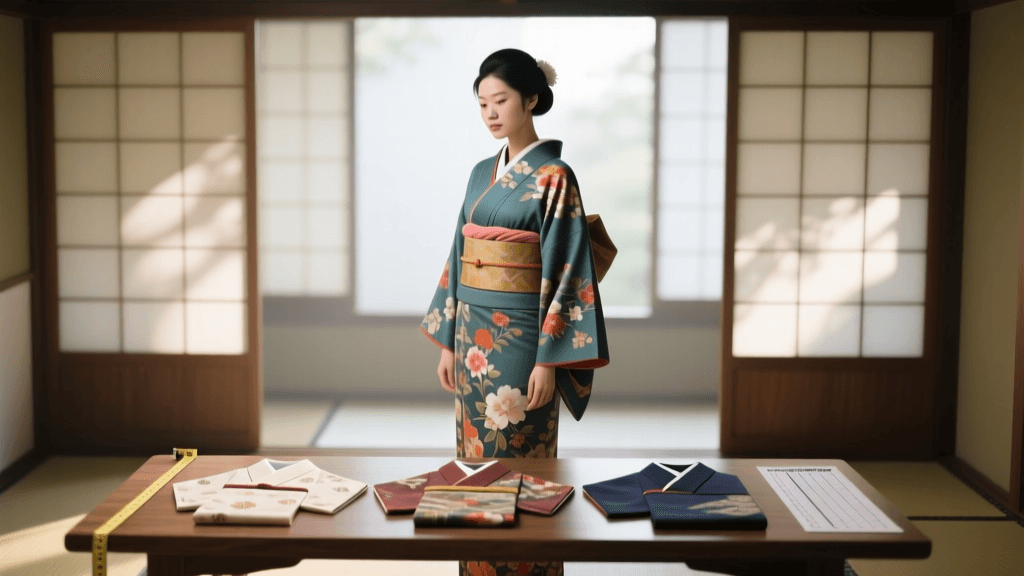
When exploring the rich tapestry of Asian traditions, the Japanese kimono stands out as a masterclass in textile art and cultural expression. However, a common misconception among international tourists and modern enthusiasts is that the kimono is a rigid, 'one-size-fits-all' garment. In reality, traditional kimono construction is based on the tanmono—a standard bolt of fabric measuring approximately 14 to 15 inches (36 to 38 centimeters) in width and 12 meters in length. As noted by The Metropolitan Museum of Art, the T-shaped structure of the kimono was historically designed to be disassembled, washed, and re-tailored to fit the specific wearer. Today, while mass-produced rental kimonos often rely on standardized sizing, the art of kitsuke (kimono dressing) offers remarkable flexibility. With the right techniques, padding, and styling adjustments, the kimono can be beautifully adapted to flatter and accommodate every body type and gender expression.
Styling for Diverse Body Types
Taller Individuals (Over 5'8" / 173 cm)
For taller wearers, the primary challenges are the overall hem length and the sleeve drop. Traditional kimonos are generally tailored to accommodate heights up to about 5'7" (170 cm). If you are taller, wearing a standard rental kimono might result in the hem sitting too high above the ankles, disrupting the elegant, flowing silhouette. The Adjustment: Dressers will often tie the koshihimo (waist ties) slightly lower on the hips rather than at the natural waist. This minimizes the depth of the ohashori (the visible tuck at the waist), allowing more fabric to drop to the floor. For custom purchases, modern tailors now offer 'western-sized' tanmono or stretch-blend fabrics specifically woven with wider and longer panels to accommodate global heights.
Curvy and Plus-Size Figures
The standard 14-inch panel width of a traditional tanmono can pose a challenge for curvy or plus-size figures, particularly around the bust and hip circumference. If the front panels (okumi) pull apart, it breaks the traditional aesthetic and compromises the garment's security. The Adjustment: The secret to a flawless plus-size kitsuke is strategic padding, known as isogi. By wrapping cotton towels around the waist, hips, and bust, the dresser creates a smooth, cylindrical silhouette. This not only prevents the fabric from pulling but also provides a secure base for the obi (sash) to grip. Furthermore, using three to four koshihimo ties instead of the standard two, combined with a wide, elasticized datejime (under-belt), ensures the kimono remains comfortably and securely closed throughout the day. Many rental shops in Kyoto and Tokyo now offer specialized plus-size kimono sets, though they may charge an additional 1,000 to 3,000 JPY for the extended fabric requirements.
Petite Frames (Under 5'2" / 157 cm)
Petite wearers often find themselves swimming in excess fabric, particularly in the torso and the furi (the long, dangling part of the sleeve). The Adjustment: A deep, generously folded ohashori is utilized to absorb the extra torso length, creating a visually balanced waistline that elongates the lower body. For the sleeves, internal clips or temporary basting stitches are used to fold the excess fabric upward, preventing the sleeves from dragging on the ground or dipping into tea and meals.
Breaking Boundaries: Gender-Inclusive Kimono Fashion
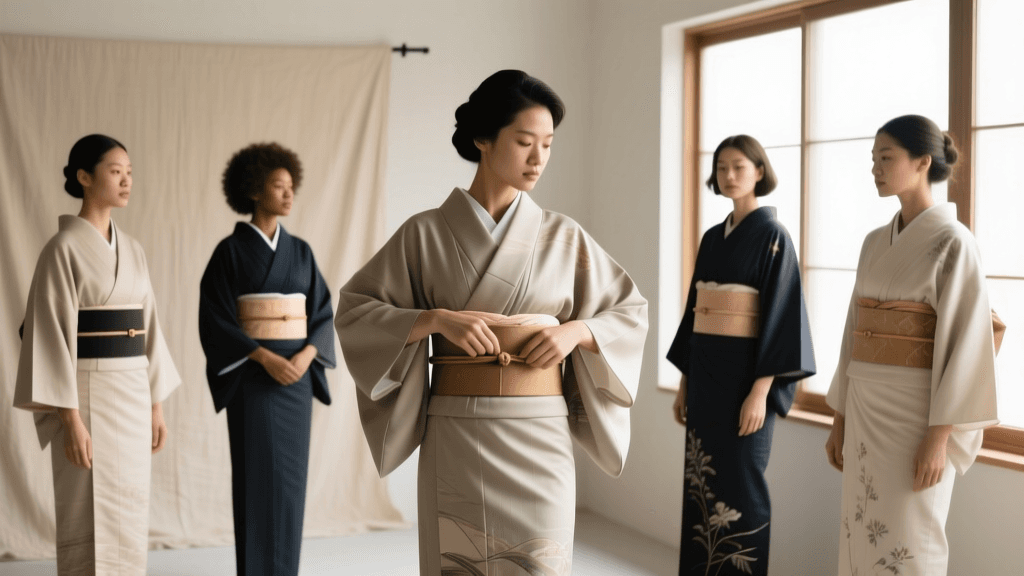
Historically, kimono styling has been strictly gendered. Feminine styling (onna-gimi) features vibrant colors, long sleeves (furisode), and a high waist tie to create a soft, cylindrical shape. Masculine styling (otoko-gimi) utilizes subdued colors, short sleeves, and a low waist tie positioned on the hips, creating a more angular, grounded silhouette. However, the modern jendaresu (genderless) fashion movement in Japan has profoundly influenced traditional wear. As highlighted in a feature by BBC Culture on the kimono's contemporary rebirth, younger generations and international fashion enthusiasts are actively dismantling these binary rules.
Masculine Styling on Feminine Bodies: Many women and non-binary individuals are adopting the haori (kimono jacket) worn open over a simple hakama or paired with a subdued, narrow kaku-obi tied in a simple koma-musubi knot. This creates a striking, androgynous silhouette that prioritizes comfort and sharp, architectural lines.
Feminine Styling on Masculine Bodies: Men and masculine-presenting individuals are increasingly embracing the vibrant silk palettes traditionally reserved for women. By tying the obi slightly higher than the traditional male hip-line and utilizing softer, decorative obi-jime (cords), wearers can blend masculine physicality with the elegant drape of feminine textiles, creating a breathtaking gender-fluid aesthetic.
Measurement & Fit Comparison Chart
| Body Type / Expression | Key Measurement Challenge | Recommended Kitsuke Adjustment | Est. Rental Cost (Tokyo/Kyoto) |
|---|---|---|---|
| Tall (Any Gender) | Hem length, sleeve drop | Lower waist tie, shallow ohashori tuck | 5,000 - 8,000 JPY |
| Curvy / Plus-Size | Hip/bust circumference, panel overlap | Cylindrical towel padding, extra koshihimo ties | 6,000 - 10,000 JPY |
| Petite (Any Gender) | Excess torso fabric, sleeve length | Deep ohashori, internal sleeve clipping | 4,500 - 7,000 JPY |
| Genderless / Androgynous | Balancing traditional gendered proportions | Mid-level obi tie, mixing haori with hakama or soft silk | 7,000 - 12,000 JPY |
Practical Tips for an Inclusive Kimono Experience
If you are planning a kimono rental experience in cultural hubs like Asakusa (Tokyo) or Higashiyama (Kyoto), preparation is key to ensuring an inclusive and comfortable fit.
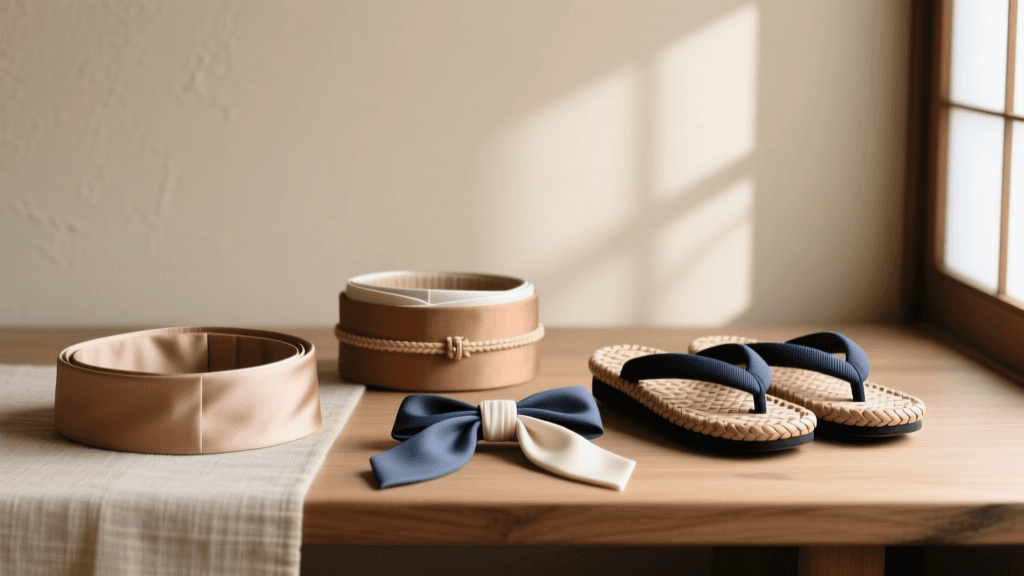
- Undergarments Matter: The foundation of a good kitsuke is the hadajuban (under-kimono). For masculine bodies wearing feminine styles, a compression top or sports bra helps manage the chest area, ensuring a smooth, traditional silhouette. For curvy figures, wearing bicycle shorts or a slip skirt prevents the kimono from clinging to the legs when walking.
- The Tabi Sock Dilemma: Traditional split-toe tabi socks provided by rental shops usually max out at 25cm (roughly a US Men's size 7). Tall or large-footed individuals should purchase their own stretch-knit tabi socks online (approx. 1,500 JPY) and bring them to the appointment. The Japan National Tourism Organization frequently recommends bringing personal footwear accommodations for a smoother cultural experience.
- Communicate in Advance: Do not rely on walk-in availability if you fall outside standard Japanese sizing metrics. Email your chosen rental shop at least two weeks in advance with your exact height, bust, waist, and hip measurements. Reputable shops will curate a selection of wider-panel or custom-length garments for your arrival.
Conclusion
The kimono is not a relic frozen in time; it is a living, breathing garment that evolves with its wearers. By understanding the mechanics of kitsuke and embracing modern, gender-inclusive styling, anyone can experience the profound elegance of this Asian tradition. Whether you are adapting a vintage silk piece for a curvy frame or blending masculine and feminine elements for a genderless look, the kimono remains a powerful canvas for personal and cultural expression.