The Ultimate Kimono Buying Guide: Komon, Houmongi & Furisode
Introduction to Authentic Kimono Shopping
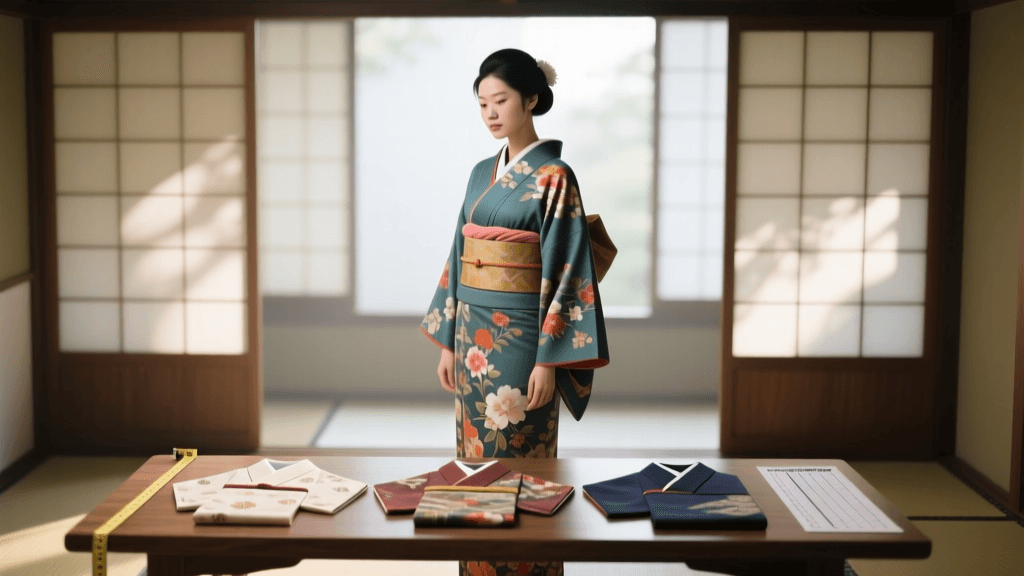
For collectors, cultural enthusiasts, and travelers, purchasing an authentic Japanese kimono is a deeply rewarding experience. However, navigating the intricate world of traditional Japanese garments can be intimidating for beginners. Between deciphering formality levels, understanding complex sizing metrics, and choosing between vintage and new textiles, the learning curve is steep. According to the Japan National Tourism Organization, the revival of kimono-wearing among both locals and international visitors has sparked a renewed interest in acquiring these garments for personal use, tea ceremonies, and cultural events.
This comprehensive buying guide focuses on the three most essential and versatile kimono types for women: the Komon, the Houmongi, and the Furisode. Whether you are browsing the flea markets of Kyoto or commissioning a piece from a modern artisan, this guide will equip you with the practical knowledge needed to make an informed, confident purchase.
Understanding the Big Three: Komon, Houmongi, and Furisode
The Japanese concept of TPO (Time, Place, Occasion) strictly dictates kimono wear. Choosing the wrong type for an event can be considered a faux pas. Here is a breakdown of the three primary categories you will encounter when shopping.
1. Komon (Everyday Casual)
The Komon is the workhorse of the kimono wardrobe. Translating to 'small pattern,' these garments feature repeating motifs that cover the entire fabric. They are considered casual wear, perfect for strolling through historic districts, attending casual tea gatherings, or enjoying a day out in Tokyo. Because they are less formal, Komon are widely available, highly affordable in the vintage market, and come in an endless array of colors and seasonal motifs. They are typically paired with a Nagoya obi (a pre-folded, casual sash).
2. Houmongi (Semi-Formal Visiting Wear)
The Houmongi translates to 'visiting wear.' It is a semi-formal garment characterized by eba-moyo—patterns that flow continuously across the seams of the kimono when laid flat, creating a unified, canvas-like picture. Houmongi are worn by both married and unmarried women to attend weddings (as guests), formal tea ceremonies, and graduation ceremonies. They require a more formal Fukuro obi and demand careful attention to color coordination. The Victoria and Albert Museum highlights the Houmongi as a prime example of 20th-century Japanese textile artistry, where the garment is treated as a wearable painting.
3. Furisode (Highly Formal Unmarried Women's Wear)
The Furisode is instantly recognizable by its long, swinging sleeves, which can measure anywhere from 85cm to 114cm in length. Historically, the swinging sleeves were believed to ward off evil spirits and attract good fortune. Today, the Furisode is the highest level of formality for unmarried women, traditionally worn during Seijin no Hi (Coming of Age Day) and by close relatives at weddings. Because of the immense amount of silk and intricate hand-painting or yuzen dyeing required, Furisode are the most expensive kimono type to purchase new.
Kimono Comparison Chart
| Feature | Komon | Houmongi | Furisode |
|---|---|---|---|
| Formality | Casual / Everyday | Semi-Formal | Highly Formal |
| Pattern Style | Repeating, all-over motifs | Continuous, flowing across seams | Elaborate, large-scale motifs |
| Sleeve Length | Standard (approx. 49cm) | Standard (approx. 49-55cm) | Long (85cm - 114cm) |
| Marital Status | Married or Unmarried | Married or Unmarried | Unmarried Women Only |
| Vintage Price (USD) | $30 - $150 | $100 - $400 | $150 - $800+ |
| New Price (USD) | $400 - $1,500 | $2,000 - $8,000 | $5,000 - $20,000+ |
Sizing and Measurements: Getting the Perfect Fit
Unlike Western clothing, kimono are not sized by S, M, or L. They are tailored to the individual's specific body measurements. However, because the kimono is wrapped and folded, there is a generous margin for error if you know how to read the measurements. When buying online or in-store, you must look at the paper tag (often attached to the sleeve or collar) which lists the dimensions in centimeters or shaku (a traditional Japanese unit where 1 shaku ≈ 37.8cm).
Key Measurements Explained
- Mitake (Length): This is the measurement from the base of the neck to the hem. To find your ideal kimono length, multiply your total height by 0.8. For example, if you are 160cm tall, your ideal mitake is roughly 128cm. The extra length is folded at the waist to create the ohashori (the visible fold under the obi), which is mandatory for women's kimono styling.
- Yuki (Sleeve Span): Measured from the center of the back of the neck, across the shoulder, and down to the wrist. This is the most critical measurement. If the yuki is too short, the kimono will look visibly ill-fitting. Your ideal yuki is typically your arm span from the center of your spine to your wrist bone.
- Maehaba and Ushirohaba (Front and Back Widths): These dictate how far the kimono wraps around your body. Standard modern sizing usually accommodates hip circumferences up to 100cm. If you have a wider hip measurement, you must look for kimono with a wider maehaba to ensure the front panels overlap sufficiently.
Vintage vs. New: Where and How to Buy
The decision to buy vintage (recycled) or new kimono depends on your budget, intended use, and appreciation for textile history.
Navigating Vintage Kimono Markets
Japan's 'recycle shops' (such as Chicago, Tansu-ya, and various stalls at the Toji Temple flea market) are treasure troves for vintage silk. Buying vintage is highly sustainable and cost-effective. However, you must inspect the garment for common defects. The expert community at Immortal Geisha advises buyers to look out for shimi (age spots or stains), kise (fading from sunlight, usually visible on the shoulders and back), and snags in the silk weave. Always smell the garment; a strong smell of camphor or mildew can be difficult to remove from vintage silk. Despite these risks, a well-chosen vintage Houmongi can offer museum-quality artistry for a fraction of its original price.
Investing in New, Artisan Kimono
Purchasing a new kimono from a gofukuya (traditional kimono shop) is a luxury experience. You will select the bolt of silk (tanmono), choose the dyeing technique, and have it tailored to your exact measurements. This process can take anywhere from three to six months. For beginners who want the look of a new kimono without the silk maintenance, modern polyester kimono from brands like Wataro or Fujiya-225 offer machine-washable, vibrant alternatives that cost between $150 and $300, making them excellent for rainy days or casual practice.
Essential Accessories You Cannot Forget
A kimono is incomplete without its accessories. When budgeting for your purchase, ensure you allocate funds for the following essentials:
- Obi: The sash. A casual Nagoya obi costs $30-$100 vintage, while a formal brocade Fukuro obi can range from $150 to over $1,000.
- Obijime & Obiage: The decorative cord (obijime) and silk scarf (obiage) used to secure and decorate the obi knot. Budget around $40 for a matching set.
- Nagajuban: The under-kimono. This protects your expensive silk kimono from sweat and body oils. A new, easy-care synthetic nagajuban costs about $60-$100.
- Tabi & Zori: Split-toe socks (tabi) and traditional sandals (zori). Expect to spend $20 on tabi and $50-$150 on a comfortable pair of zori with a low heel.
Fabric Care and Maintenance
Proper care ensures your kimono survives for generations. Silk kimono should never be washed at home. Instead, rely on professional kimono cleaners who offer maruarai (a full garment dry-cleaning process using specialized solvents) or shiminuki (targeted spot cleaning). Between wears, practice kaze-toshi (airing out). Hang your kimono on a specialized wide wooden hanger in a shaded, well-ventilated room for a few hours to release moisture and odors. Never store silk in plastic bags, as this traps moisture and causes mold. Always fold the kimono along its original seam lines and store it in tatoushi (breathable paper wrappers) inside a wooden drawer or paulownia box.
Conclusion
Buying a kimono is an investment in wearable art and cultural heritage. By understanding the distinct roles of the Komon, Houmongi, and Furisode, accurately calculating your mitake and yuki, and carefully weighing the pros and cons of vintage versus new markets, you can build a collection that is both authentic and deeply personal. Whether you are wrapping yourself in a casual vintage Komon for a walk through Kyoto or commissioning a bespoke Furisode for a milestone celebration, the world of traditional Japanese garments offers endless beauty for those willing to learn its intricacies.