Essential Kimono Accessories: A Guide to Obi and Zori
The Art of Kitsuke: Beyond the T-Shaped Garment
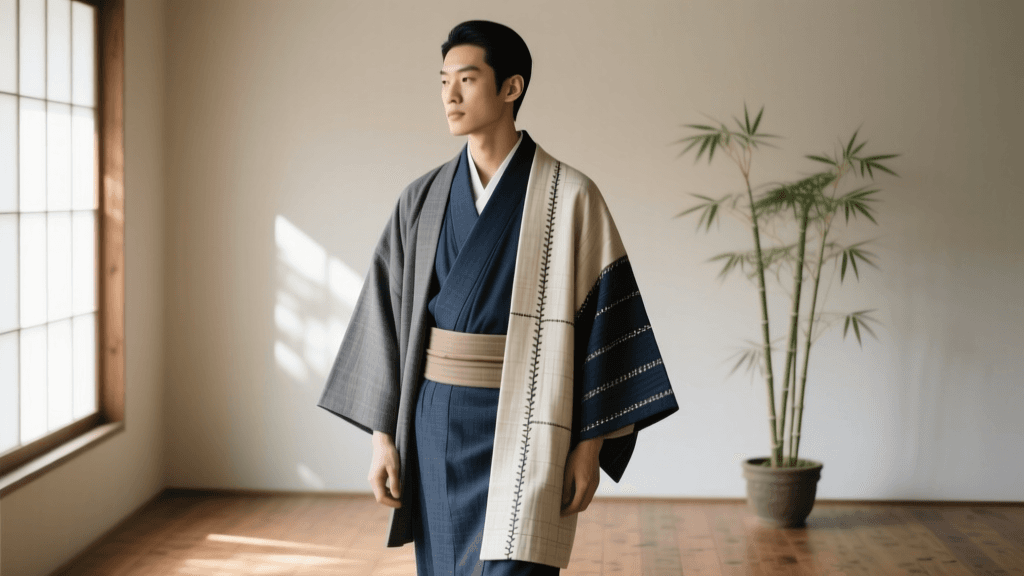
When most people envision traditional Japanese clothing, they immediately picture the elegant, flowing sleeves and vibrant patterns of the kimono. However, the kimono itself is essentially a simple, T-shaped garment. The true artistry, structure, and cultural signaling of Japanese dress lie in its accessories. The practice of dressing in a kimono, known as kitsuke, requires a complex architecture of sashes, ties, undergarments, and specialized footwear. According to the Victoria and Albert Museum, the kimono's evolution is deeply intertwined with its accessories, which historically denoted social status, marital status, and the specific formality of an occasion.
Whether you are a vintage collector, a practitioner of traditional Japanese arts, or simply an enthusiast looking to assemble your first complete ensemble, understanding the precise measurements, costs, and functions of kimono accessories is crucial. This comprehensive guide breaks down the essential components of the kimono wardrobe, focusing on the obi, footwear, and the hidden tools that create the perfect silhouette.
The Obi: The Focal Point of the Silhouette
The obi is the wide sash that secures the kimono. Far from being a mere belt, the obi is often the most expensive and visually striking element of the ensemble. The type of obi you choose dictates the formality of your outfit. Here are the three most common types of women's obi you will encounter:
1. Fukuro Obi (The Formal Standard)
The Fukuro obi is the most formal obi worn by both unmarried and married women today. It is typically made of luxurious brocade silk, often woven with gold or silver threads.
- Measurements: Approximately 68 cm (27 inches) wide and 4.5 meters (14.7 feet) long.
- Usage: Worn with formal kimono such as the Furisode (for unmarried women) or Tomesode and Homongi (for married women or formal visits).
- Average Cost: Vintage silk pieces range from $80 to $250, while new, artisan-woven silk Fukuro obi can easily cost between $500 and $3,000+.
2. Nagoya Obi (The Versatile Choice)
Invented in the 1920s in the city of Nagoya, this obi was designed to be easier to tie than the Fukuro. It is characterized by its unique construction: one end is folded and stitched to half-width, while the other remains full-width.
- Measurements: Approximately 30 cm (12 inches) wide at the folded section, expanding to 68 cm at the back, and about 3.1 meters (10.2 feet) long.
- Usage: Ideal for semi-formal to casual occasions. It pairs beautifully with Tsukesage, Iromuji, and high-quality Komon kimono.
- Average Cost: Highly accessible for beginners. Vintage Nagoya obi can be found for $30 to $120, while new silk versions range from $150 to $400.
3. Hanhaba Obi (The Casual Essential)
Translating to 'half-width obi', the Hanhaba is an informal, unlined sash usually made of cotton, polyester, or wool. It is the most forgiving obi for beginners learning to tie basic knots like the bunko (bow).
- Measurements: Approximately 15 cm (6 inches) wide and 3.5 meters (11.5 feet) long.
- Usage: Strictly casual. Worn with Yukata (summer cotton kimono) or everyday wool/polyester kimono.
- Average Cost: Very affordable, typically ranging from $15 to $60, even for brand-new pieces.
Footwear: Zori, Geta, and Tabi
Footwear in traditional Japanese dress is highly specialized, designed to complement the hemline of the kimono and the formality of the obi. As noted by cultural resources like Japan Guide, the choice of footwear is strictly dictated by the season, the weather, and the formality of the event.
Zori: The Formal Sandal
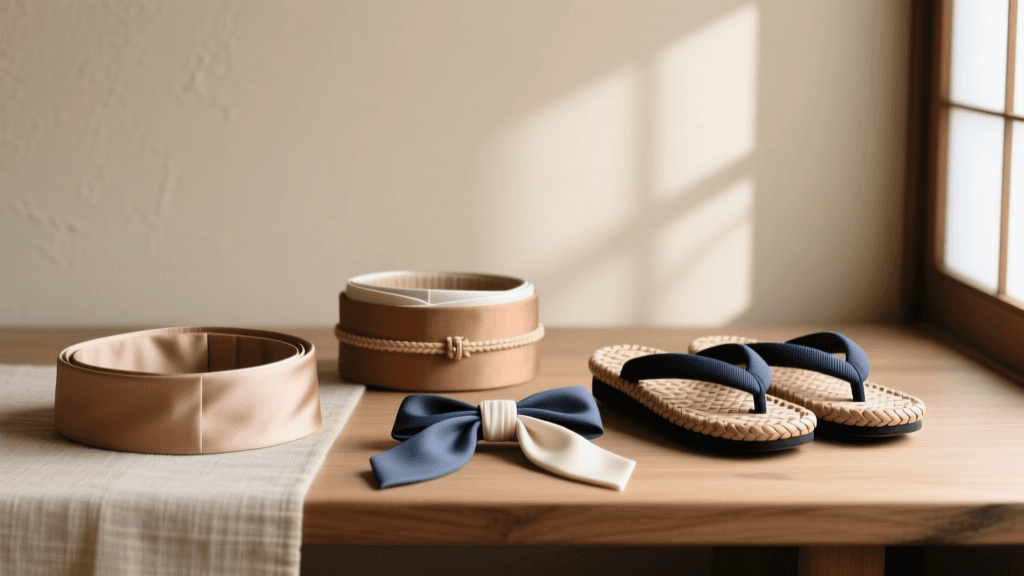
Zori are flat, thonged sandals that serve as the standard footwear for formal and semi-formal kimono ensembles. Modern formal zori are often covered in brocade fabric or vinyl to match the kimono.
- Sizing and Fit: Zori are measured in centimeters. Unlike Western shoes, the traditional and correct way to wear zori is with the heel slightly overhanging the back edge by about 1 cm (a style known as kakato ga deru). This prevents the back of the kimono hem from dragging on the ground and getting soiled.
- Cost: Basic vinyl zori start around $40, while high-end leather or brocade zori with reinforced soles cost between $150 and $400.
Geta: The Casual Wooden Clog
Geta are wooden sandals elevated on 'teeth' (blocks of wood underneath). They are worn with casual kimono and yukata. The elevation keeps the hem clean, which was historically vital when walking on unpaved or muddy streets.
- Sizing and Fit: Similar to zori, the heel should overhang slightly. Geta are heavier and require a different walking gait—lifting the foot from the toes rather than rolling from heel to toe.
- Cost: Standard paulownia wood geta range from $30 to $80. Lacquered or intricately carved artisan geta can exceed $200.
Tabi: The Split-Toe Sock
Tabi are essential for wearing both zori and geta. They feature a separation between the big toe and the other four toes to accommodate the hanao (thong) of the sandals.
- Materials: Formal tabi are made of white, non-stretch cotton or silk and fasten with metal hooks called kohaze (usually 4 or 5 hooks). Casual tabi may feature colored patterns and stretch-knit materials for comfort.
- Sizing: Tabi are sized strictly in centimeters (e.g., 22.5 cm, 23.0 cm). Because formal tabi do not stretch, exact sizing is critical to avoid wrinkling at the ankle, which is considered sloppy in kitsuke.
The Hidden Architecture: Essential Kitsuke Tools
Beneath the beautiful silk layers lies a framework of functional tools that keep the kimono secure and the obi smooth. You cannot properly dress in a kimono without these accessories.
- Juban (Under-kimono): A lightweight undergarment worn beneath the main kimono to protect the expensive silk from sweat and body oils. The collar of the juban (the han-eri) is visible at the neckline, adding a layer of contrasting color.
- Koshihimo (Hip Ties): Long, thin cotton or silk ribbons used to tie the kimono and juban securely at the waist and hips. A standard dressing session requires between 3 and 5 koshihimo. They are typically 100 cm long and 5 cm wide. Cost: $5 to $10 each.
- Datejime: A wide, stiff belt (about 10 cm wide and 150 cm long) tied over the koshihimo to flatten the fabric and provide a smooth base for the obi. Modern versions often feature Velcro or elastic for ease of use. Cost: $10 to $25.
- Obi-ita (Obi Board): A stiff, canvas-covered board inserted into the front of the obi to prevent it from wrinkling or buckling when tied. Cost: $8 to $20.
- Obi-jime and Obi-age: The finishing decorative touches. The obi-jime is a braided silk cord tied around the center of the obi to secure the knot, while the obi-age is a silk scarf peeking out from the top edge of the obi. Together, they allow for endless color coordination. Cost: $15 to $50 for a matching set.
Quick Reference: Obi Comparison Chart
| Obi Type | Formality Level | Width | Length | Estimated Price (USD) |
|---|---|---|---|---|
| Fukuro Obi | Formal / Ceremonial | 68 cm | ~4.5 meters | $80 - $3,000+ |
| Nagoya Obi | Semi-Formal / Casual | 30 cm / 68 cm | ~3.1 meters | $30 - $400 |
| Hanhaba Obi | Strictly Casual | 15 cm | ~3.5 meters | $15 - $60 |
Practical Advice for Sourcing and Care
Building a kimono accessory wardrobe can be expensive if purchasing exclusively new items from specialty boutiques in Kyoto or Tokyo. However, the thriving second-hand market makes it highly accessible.
Buying Vintage and Second-Hand
Japan has a massive 'recycle shop' culture. Stores like Tansu-ya or local vintage markets offer high-quality silk obi and kimono for a fraction of their original retail price. When buying vintage obi online (via platforms like Etsy, eBay, or specialized Japanese export sites), always check the condition of the silk. Look out for shimi (stains) and hi (fading from light exposure), particularly on the folded sections of a Nagoya obi or the front panel of a Fukuro obi.
Storage and Maintenance
Silk accessories are highly sensitive to humidity and light. Never store your obi or kimono on wire hangers. Obi should be folded and stored in a cool, dark, and dry place. It is highly recommended to wrap silk obi and kimono in tatoshi (traditional acid-free paper envelopes) to allow the fabric to breathe while protecting it from dust and moisture. Avoid plastic bags, which can trap humidity and lead to mold growth.
Conclusion
The world of kimono accessories is vast, deeply symbolic, and incredibly rewarding to explore. From the structural necessity of the koshihimo to the artistic expression of a brocade Fukuro obi, every element serves a distinct purpose. By understanding the correct measurements, appropriate formality levels, and proper care techniques, you can curate a traditional Japanese wardrobe that is both authentic and beautifully styled, honoring centuries of textile tradition.