The Ultimate Hanfu and Qipao Care Guide: Wash and Store
Introduction to Traditional Garment Care
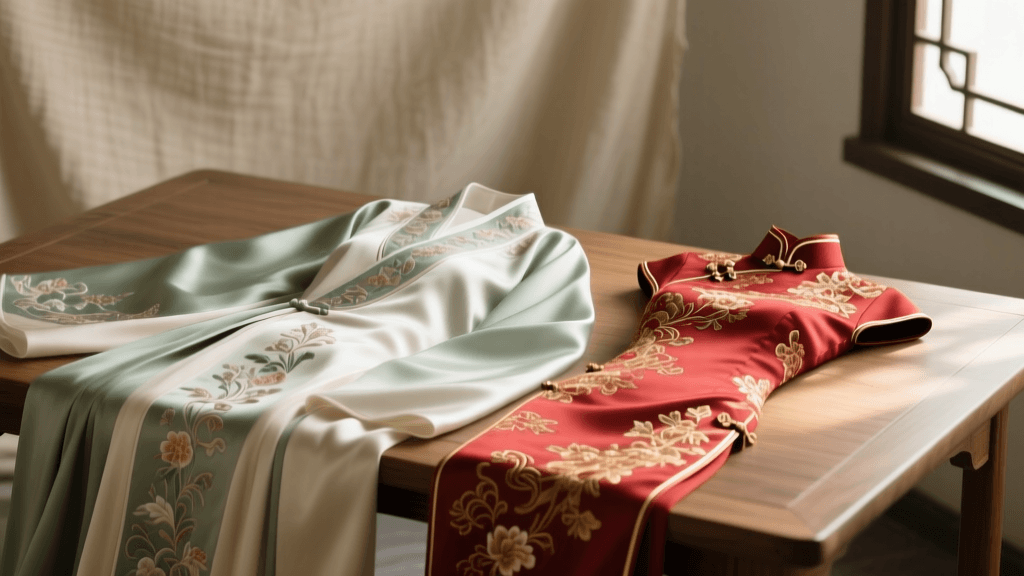
The global renaissance of traditional Chinese clothing has brought the elegance of Hanfu and the sophisticated silhouette of the Qipao (Cheongsam) into modern wardrobes worldwide. Whether you are investing in a meticulously embroidered Ming Dynasty-style Mamianqun (horse-face skirt) or a bespoke silk Qipao tailored for a wedding, these garments represent a significant financial and cultural investment. However, the delicate nature of traditional Asian textiles requires a specialized approach to maintenance. Standard modern laundry practices can irreversibly damage natural fibers, degrade historical dyes, and ruin intricate structural weaves.
This comprehensive guide provides actionable, expert-level advice on washing, drying, ironing, and storing your traditional garments. By understanding the material science behind silk, brocade, and ramie, you can ensure your wardrobe remains vibrant and structurally sound for generations.
Understanding Your Fabrics: Silk, Brocade, and Linen
Before applying water or heat to any traditional garment, it is crucial to identify the fiber content and weave structure. Traditional Chinese garments primarily rely on three categories of natural fibers, each with distinct chemical and physical properties.
Mulberry Silk (Sangcan Si)
Silk is a natural protein fiber composed of fibroin and sericin. It is highly sensitive to alkaline substances, high temperatures, and enzymatic cleaners. The natural dyes used in authentic Hanfu are also notoriously susceptible to pH shifts, which can cause immediate color bleeding or dulling.
Traditional Brocades (Songjin, Shujin, Yunjin)
Brocade is a complex jacquard weave that often incorporates metallic threads (historically gold or silver foil wrapped around a silk core). Agitation in water can cause the metallic foil to flake, tarnish, or snap the delicate core threads. Many authentic brocade Qipao jackets and Hanfu outer layers are strictly dry-clean only.
Ramie and Linen (Ma)
Ramie is a bast fiber known for its high tensile strength and breathability, making it a popular choice for summer Hanfu (such as the Song Dynasty Beizi). While more durable than silk, ramie is highly prone to harsh creasing and fiber breakage if wrung out aggressively.
Fabric Comparison and Care Chart
| Fabric Type | Fiber Class | Recommended Wash Method | Ironing Temperature | Storage Note |
|---|---|---|---|---|
| Mulberry Silk | Protein | Hand wash cold (pH-neutral) | Low (110°C / 230°F) | Padded hangers, away from light |
| Song Brocade | Protein/Metallic | Professional dry clean only | Low with pressing cloth | Fold with acid-free tissue |
| Ramie / Linen | Cellulose | Hand or gentle machine wash | High (200°C / 390°F) | Fold to avoid permanent creases |
| Xin Zhongshi Blends | Silk/Cotton/Poly | Check label (usually gentle) | Medium (150°C / 300°F) | Standard breathable bags |
The Science of Washing Silk and Brocade
According to the Canadian Conservation Institute, protein fibers like silk are highly susceptible to damage from alkaline substances and enzymatic cleaners. Standard laundry detergents typically have a pH between 9 and 11, which breaks down the peptide bonds in silk fibroin, leading to a loss of luster, fiber degradation, and eventual tearing. Furthermore, biological detergents containing protease enzymes will literally digest the silk protein.
Step-by-Step Hand-Washing Guide for Silk Hanfu
If your garment is 100% silk and lacks metallic embroidery or stiffening interlinings, you may hand-wash it using the following protocol:
- Preparation: Fill a clean basin with cold water, strictly not exceeding 30°C (86°F). Hot water causes silk fibers to contract and dyes to bleed.
- Detergent Selection: Add a capful of a pH-neutral, non-enzymatic delicate wash. Products like Eucalan or The Laundress Delicate Wash are ideal. Never use bleach, fabric softeners, or standard alkaline soaps.
- Agitation: Submerge the garment and gently swish it for no more than 3 to 5 minutes. Do not rub the fabric against itself, as wet silk is highly vulnerable to friction and pilling.
- Rinsing: Drain the soapy water and refill with cold water. Repeat until the water runs entirely clear. Adding a teaspoon of white vinegar to the final rinse can help restore the natural pH of the silk and enhance its luster.
Spot Cleaning Brocade Qipao
For heavy brocades or garments with intricate metallic embroidery, avoid full submersion. Instead, use a microfiber cloth dampened with distilled water and a drop of neutral detergent to gently dab at localized stains. Always test an inconspicuous area, such as the inside hem, first to ensure the dyes are colorfast.
Drying and Ironing Techniques
Improper drying is where many traditional garments suffer irreversible damage. As noted by the Victoria and Albert Museum conservation department, light exposure and improper tension are highly destructive factors for natural dyes and delicate weaves used in historical textiles.
The Towel Burrito Method
Never wring or twist silk or ramie. The mechanical stress will permanently distort the weave and break the fibers. Instead, lay the wet garment flat on a clean, dry, white cotton towel. Roll the towel and garment together into a cylinder (like a burrito) and press gently to absorb excess moisture. Unroll and transfer the garment to a flat, mesh drying rack.
Crucial Warning: Never dry traditional garments in direct sunlight or near a heat source. Ultraviolet (UV) radiation rapidly degrades silk proteins and causes natural plant-based dyes to fade unevenly.
Ironing and Steaming
Silk should be ironed while it is still slightly damp. Always use the lowest heat setting on your iron (often labeled 'Silk' or 'Low'). You must use a clean cotton pressing cloth between the iron and the garment to prevent scorch marks and water spots. For Qipao collars and Hanfu pleats, a handheld steamer is often safer, provided you keep the steamer nozzle at least 15 centimeters (6 inches) away from the fabric to prevent water spitting and heat shock.
Archival Storage for Longevity
How you store your Hanfu and Qipao during the off-season is just as critical as how you wash them. The Smithsonian Museum Conservation Institute recommends storing historical and delicate textiles in acid-free environments, protected from environmental fluctuations and pests.
Hanging vs. Folding
- Hanging: Lightweight silk Hanfu (like Ruqun tops) and Qipao can be hung, but never on wire or thin plastic hangers. These will cause shoulder dimples and stress tears. Invest in wide, padded satin hangers to distribute the weight of the garment evenly.
- Folding: Heavy items, such as pleated Mamianqun skirts, brocade jackets, and heavily embroidered outerwear, should be folded to prevent gravity from stretching the seams and distorting the weave over time.
Archival Materials and Pest Prevention
When folding, stuff the sleeves, bodice, and pleats with acid-free, unbuffered tissue paper to maintain the garment's three-dimensional shape and prevent hard creases. Place the folded garment inside a 100% cotton, breathable garment bag. Avoid plastic dry-cleaning bags entirely, as they trap moisture and emit off-gassing chemicals that yellow silk over time.
To protect against clothes moths and carpet beetles, which are highly attracted to soiled protein fibers, ensure garments are perfectly clean before long-term storage. Place natural cedar blocks or dried lavender sachets in your storage drawers or closet. However, ensure these botanical pest deterrents do not touch the fabric directly, as their natural oils can stain delicate silk. For severe pest protection, avoid chemical mothballs (naphthalene), which are toxic and leave a nearly impossible-to-remove odor on natural fibers; instead, rely on airtight storage bins and regular closet inspections.
Conclusion
Caring for traditional Asian garments requires a departure from the convenience of modern laundry routines, demanding patience, specific products, and an understanding of textile chemistry. By treating your silk Hanfu and brocade Qipao with the archival respect they deserve, you are not merely maintaining clothing; you are preserving a living, wearable piece of cultural heritage. With the right washing protocols, careful drying techniques, and archival storage methods, your traditional wardrobe will continue to tell its story beautifully for decades to come.