Yukata vs Summer Kimono: The Ultimate Casual Wear Guide
Introduction to Japanese Summer Fashion
Japanese summers are a sensory explosion, marked by the deafening hum of cicadas, the spectacular crackle of evening fireworks (hanabi), and the lively, lantern-lit energy of local street festivals (matsuri). Amidst this seasonal splendor, traditional fashion takes center stage. However, both locals and international visitors often find themselves navigating the nuanced distinctions between the ubiquitous yukata and the more refined casual summer kimono (such as hitoe, ro, and sha). Understanding these differences is essential for anyone looking to dress appropriately, comfortably, and respectfully during the warmer months.
According to the Victoria and Albert Museum's extensive kimono archives, the evolution of Japanese summer garments reflects a deep cultural emphasis on seasonality, material innovation, and aesthetic cooling. While a yukata might look like a simplified kimono to the untrained eye, the rules governing their construction, layering, and appropriate occasions are vastly different.
The Core Distinctions: Yukata vs. Summer Kimono
The yukata traces its origins back to the Heian period (794–1185), where it began as the yukatabira, a simple linen bathrobe worn by nobility to absorb moisture after bathing. By the Edo period, it evolved into the unlined, cotton streetwear we recognize today, popularized by the booming public bathhouse culture. Because it was originally designed as a single-layer garment meant to be worn directly against the skin, a traditional yukata requires no undergarments (juban) and is made exclusively from breathable, absorbent cotton or cotton-blend fabrics.
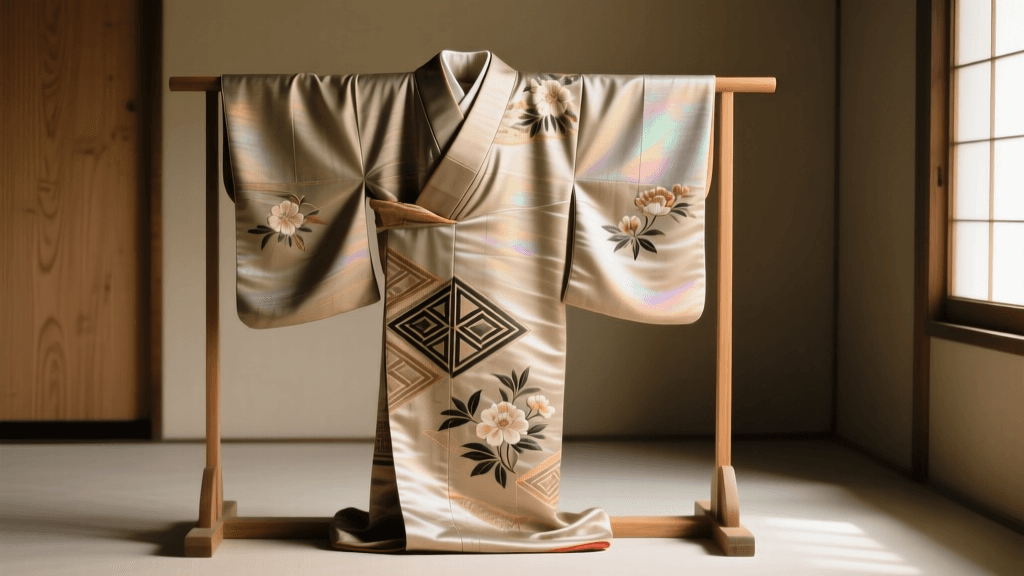
In contrast, a summer kimono (natsugi) is a true kimono adapted for the heat. It is typically crafted from high-quality silk, linen, or hemp. Unlike the yukata, a summer kimono requires a full suite of undergarments, including a lightweight summer juban (under-kimono) and a susoyoke (half-slip). The distinction in formality is stark: while a yukata is essentially casual loungewear or festival wear, a summer kimono can be worn to semi-formal daytime events, upscale dining, or cultural gatherings.
The Strict Calendar of Fabric Seasonality
Japanese traditional dress is governed by a strict sartorial calendar that dictates not just the color and pattern of the garment, but its physical weave and weight. The Metropolitan Museum of Art's notes on Japanese textile seasonality highlight how sheer weaves were developed specifically to provide visual and physical relief during the humid Japanese summer, creating an illusion of coolness for both the wearer and the observer.
- June and September (Hitoe): The hitoe is an unlined kimono made from opaque fabrics. It bridges the gap between the lined (awase) kimono of spring/autumn and the sheer kimono of peak summer.
- July and August (Ro and Sha): During the most sweltering months, wearers transition to ro (a sheer silk weave with distinct horizontal lines) or sha (a sheer, mesh-like leno weave). These fabrics allow air to circulate freely and offer a translucent, cooling aesthetic.
- Peak Summer Festivals (Yukata): Cotton yukata are worn primarily in July and August for casual outings, fireworks viewing, and bon odori dances.
Comprehensive Comparison Chart
To easily navigate the differences between these two iconic garments, refer to the structured comparison below:
| Feature | Yukata | Summer Kimono (Ro/Sha/Hitoe) |
|---|---|---|
| Primary Fabric | Cotton, cotton-polyester blends | Silk, linen, hemp, ramie |
| Lining | None (unlined) | None (unlined or sheer) |
| Undergarments | None required (slip optional) | Summer Juban and Susoyoke required |
| Obi (Sash) | Hanhaba (half-width), casual | Nagoya, Hanhaba, or Kaku obi |
| Footwear | Geta (wooden clogs), bare feet | Zori or Geta, worn with Tabi socks |
| Formality | Very casual, festival wear | Casual to semi-formal |
| Average Cost (JPY) | ¥3,000 – ¥15,000 | ¥30,000 – ¥200,000+ |
Styling Your Yukata for Summer Festivals
The beauty of the yukata lies in its accessibility and ease of styling. Because it is a casual garment, the rules are more forgiving, allowing for personal expression through modern accessories and vibrant patterns.
The Obi and Footwear
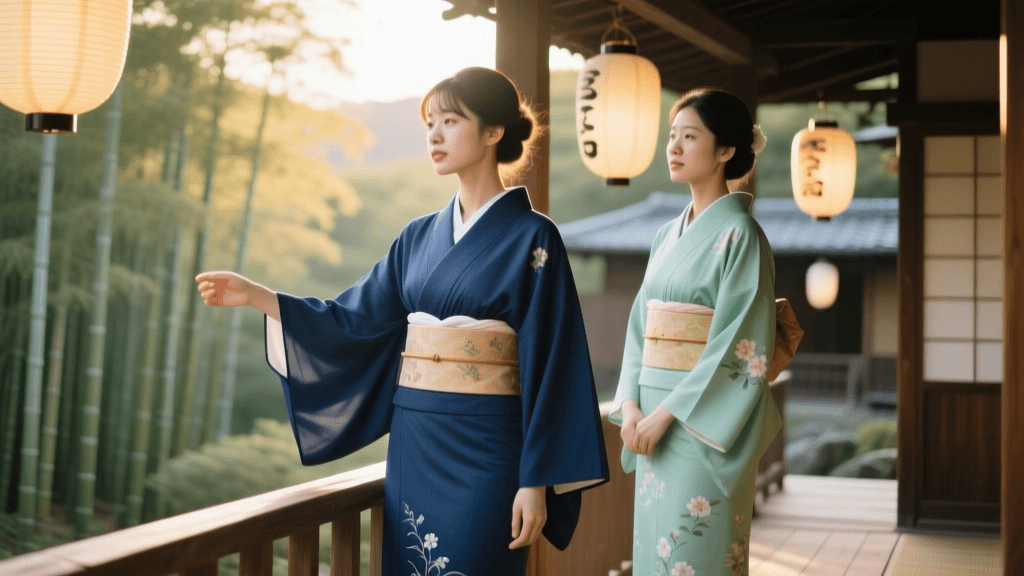
For women, the standard obi for a yukata is the hanhaba obi (half-width obi). This sash is relatively easy to tie without the need for stiffeners (obi-ita) or cords (obijime). The most popular knot is the bunko musubi (library knot), which resembles a large bow. Footwear consists of geta—wooden clogs with two or three raised teeth. Crucially, tabi socks are never worn with a yukata. The bare foot against the wooden geta is a hallmark of the garment's casual, relaxed nature.
Accessories
Complete your festival look with a kinchaku (a small, drawstring cotton bag) and an uchiwa (a rigid, round paper fan). For hair ornaments, floral kanzashi or modern ribbon clips are popular choices that add a festive flair without violating traditional etiquette.
Elevating the Summer Kimono
Wearing a summer kimono requires a deeper understanding of layering, despite the heat. The goal is to achieve a polished, refined silhouette while utilizing specialized cooling techniques.
The Art of the Summer Juban
The juban (under-kimono) is mandatory to protect the delicate silk of the outer kimono from sweat and oils. In summer, the juban is often made from ro weave, hemp, or specialized cooling synthetic fibers designed to wick moisture. The collar of the juban (han-eri) should be visible at the neckline, often featuring subtle, seasonally appropriate embroidery, such as water motifs or goldfish.
Refined Footwear and Obi
Unlike the yukata, a summer kimono is typically paired with a Nagoya obi, which is wider and requires a more structured knot, such as the taiko musubi (drum knot). Footwear shifts from raw wood geta to zori (flat, vinyl or woven sandals) or lacquered geta. Most importantly, tabi socks are absolutely mandatory when wearing a summer kimono. White cotton or sheer mesh tabi are the standard choices for July and August.
Etiquette: Where to Wear What
Understanding the boundary between casual and semi-formal wear is vital for respecting Japanese cultural spaces. The Japan National Tourism Organization's guidelines on traditional culture emphasize the importance of appropriate attire when visiting historical sites, participating in cultural workshops, or attending ceremonies.
- Where to wear Yukata: Fireworks festivals, bon odori dances, casual street strolls in historic districts (like Asakusa or Higashiyama), ryokan (traditional inns), and casual summer dining.
- Where to wear Summer Kimono: Tea ceremonies, upscale kaiseki dining, theater performances (like Kabuki), formal shrine visits, and semi-formal daytime weddings or gatherings.
- Common Mistakes to Avoid: Never wear a yukata to a formal tea ceremony, as it is considered disrespectful (akin to wearing a bathing suit to a business lunch). Never wear a lined (awase) kimono in July or August, as it signals a lack of seasonal awareness, which is a major faux pas in Japanese aesthetics.
Practical Guide: Buying, Renting, and Care
For travelers and enthusiasts, acquiring summer garments requires strategic planning. If you are looking to purchase, a high-quality cotton yukata from a reputable brand like Yamato or Fujiya will cost between ¥8,000 and ¥15,000. Summer silk kimonos are a larger investment, often starting at ¥50,000 for antique or entry-level silk, and climbing well over ¥300,000 for custom-woven ro or sha from regions like Nishijin.
Renting is a highly popular and cost-effective alternative. In tourist hubs like Kyoto's Gion district or Tokyo's Asakusa, rental shops offer full yukata dressing services, including hair styling and accessories, for approximately ¥4,000 to ¥7,000 per day. Summer kimono rentals are slightly rarer and more expensive, usually ranging from ¥10,000 to ¥15,000, and often require advance booking due to the complexity of the dressing process.
Maintenance and Storage
Cotton yukata are remarkably low-maintenance. They can be gently hand-washed or machine-washed on a delicate cycle using a mesh laundry bag, then hung to dry in the shade to prevent color fading. Conversely, silk summer kimonos must never be washed with water. They require professional dry cleaning by specialists who understand the delicate nature of sheer weaves. When storing, always fold the garments along their original seam lines and wrap them in tatoushi (traditional acid-free paper wrappers) to protect against moisture and pests during the off-season.
Conclusion
Navigating the world of Japanese summer fashion is a rewarding journey into a culture that deeply reveres the changing of the seasons. Whether you opt for the breezy, festive charm of a cotton yukata at a local fireworks display, or the refined, translucent elegance of a silk ro kimono at a daytime tea gathering, understanding the foundational rules of fabric, layering, and etiquette will elevate your experience. By dressing with intention and respect, you do more than just beat the summer heat—you actively participate in a living, breathing textile tradition that has kept Japan stylishly cool for centuries.