Exploring Hanfu Heritage: Top Chinese Museums & Exhibitions
The Intersection of Heritage and Modern Hanfu Tourism
Over the past decade, the Hanfu movement has transformed from a niche historical reenactment hobby into a mainstream cultural phenomenon across China and the global diaspora. For enthusiasts and scholars alike, understanding the structural, material, and aesthetic foundations of traditional Chinese clothing requires moving beyond modern e-commerce replicas and stepping into the hallowed halls of heritage institutions. Museums and cultural exhibitions serve as the ultimate custodians of ancient textiles, offering invaluable insights into the weaving techniques, dyeing processes, and sartorial etiquette of dynasties past.
Planning a textile-focused heritage tour across China provides a tactile and visual education that no book can replicate. From the misty silk hubs of Hangzhou to the ancient tombs of Changsha, this guide outlines the premier Hanfu museums, heritage sites, and practical advice for the culturally conscious traveler.
Premier Hanfu and Textile Museums in China
China National Silk Museum (Hangzhou)
Located near the scenic West Lake, the China National Silk Museum is the largest silk museum in the world and an essential pilgrimage site for Hanfu enthusiasts. The museum's permanent exhibitions trace the 5,000-year history of Chinese silk, from the earliest Neolithic cocoon remnants to the elaborate Ming Dynasty dragon robes. For Hanfu revivalists, the most captivating section is the conservation laboratory, where experts use advanced spectroscopy to analyze the fading dyes of excavated Tang and Song dynasty garments. The museum frequently hosts rotating exhibitions focusing on specific historical periods, such as the slender silhouettes of the Song Dynasty or the vibrant, heavily layered aesthetics of the Tang.
Hunan Museum and the Mawangdui Han Tombs (Changsha)
While the Han Dynasty gives the 'Hanfu' movement its name, surviving garments from this era are exceedingly rare due to the biodegradable nature of silk and hemp. The Hunan Museum houses the artifacts of the Mawangdui Han Tombs, discovered in the 1970s and miraculously preserved in an airtight, waterlogged environment. The crown jewel for textile historians is the legendary Plain Gauze Gown (Susha Danyi) belonging to Lady Dai. Weighing a mere 49 grams and thin enough to fold into a matchbox, this artifact represents the absolute zenith of ancient Chinese weaving technology. Studying the Susha Danyi provides modern Hanfu tailors with crucial data on the drape, transparency, and structural layering of early Han dynasty undergarments (Zhongyi) and outerwear (Shanyi).
Chengdu Shu Brocade Museum (Sichuan)
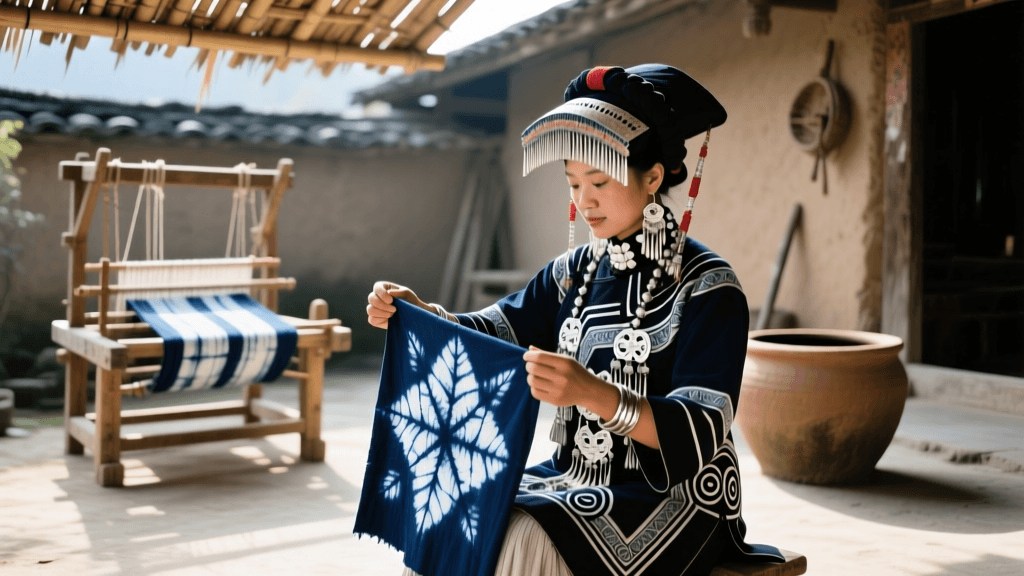
Shu brocade (Shujin) is one of China's most celebrated textile traditions, renowned for its vibrant colors and complex, warp-faced weaving patterns. The Chengdu Shu Brocade Museum not only displays historical fragments from the Three Kingdoms and Tang periods but also operates traditional wooden drawlooms. Visitors can watch master artisans demonstrate the painstaking process of creating intricate brocade patterns, a craft officially recognized for its cultural importance. The UNESCO Intangible Cultural Heritage list highlights the broader sericulture and silk craftsmanship of China, underscoring the global significance of preserving these regional weaving techniques that heavily influenced historical Hanfu formalwear.
Comparative Guide to Hanfu Heritage Sites
| Museum / Heritage Site | Location | Primary Textile Focus | Average Entry Cost | Hanfu Visitor Policy |
|---|---|---|---|---|
| China National Silk Museum | Hangzhou, Zhejiang | Comprehensive Silk History & Conservation | Free (Reservation required) | Highly Encouraged; Dedicated photo zones |
| Hunan Museum | Changsha, Hunan | Han Dynasty Artifacts & Gauze Weaving | Free (Passport booking essential) | Permitted; Strict no-flash rules |
| Chengdu Shu Brocade Museum | Chengdu, Sichuan | Shu Brocade & Traditional Looms | ~30 RMB | Permitted; Interactive weaving workshops |
| The Palace Museum | Beijing | Ming & Qing Court Garments & Embroidery | 40-60 RMB (Seasonal) | Permitted; Restrictions on tripods/commercial shoots |
Practical Itinerary Planning and Costs
Timing Your Visit
The optimal times to embark on a Hanfu museum tour are during the spring (April to May) and autumn (September to October). Traditional Hanfu, particularly the layered styles of the Ming and Tang dynasties, can be physically taxing to wear in the sweltering humidity of the Chinese summer. Furthermore, museums in major cities like Beijing and Hangzhou experience peak domestic tourism during the summer school holidays, leading to crowded galleries and fully booked exhibition slots. Visiting in the shoulder seasons ensures a comfortable climate for wearing multi-layered garments and a quieter, more contemplative museum experience.
Budgeting for the Hanfu Traveler
- Museum Entry: Most provincial and national museums in China are free but require advance booking via WeChat mini-programs using a passport or Chinese ID. Special exhibitions may charge between 30 to 80 RMB. International travelers should utilize apps like Trip.com or local provincial tourism portals if they lack a Chinese phone number for WeChat verification.
- Hanfu Rental & Styling: If you are traveling without your own garments, rental shops surrounding major heritage sites (like the Forbidden City or West Lake) offer full packages. Expect to pay 150 to 400 RMB for a day-long rental of a high-quality, historically informed outfit, plus 100 to 300 RMB for professional traditional hair styling and makeup.
- High-Speed Rail: China's high-speed rail network makes multi-city textile tours highly feasible. A second-class ticket from Hangzhou to Beijing takes approximately 4.5 hours and costs around 530 RMB, allowing you to seamlessly transition from Southern silk hubs to Northern imperial collections.
Museum Etiquette for the Hanfu-Clad Visitor
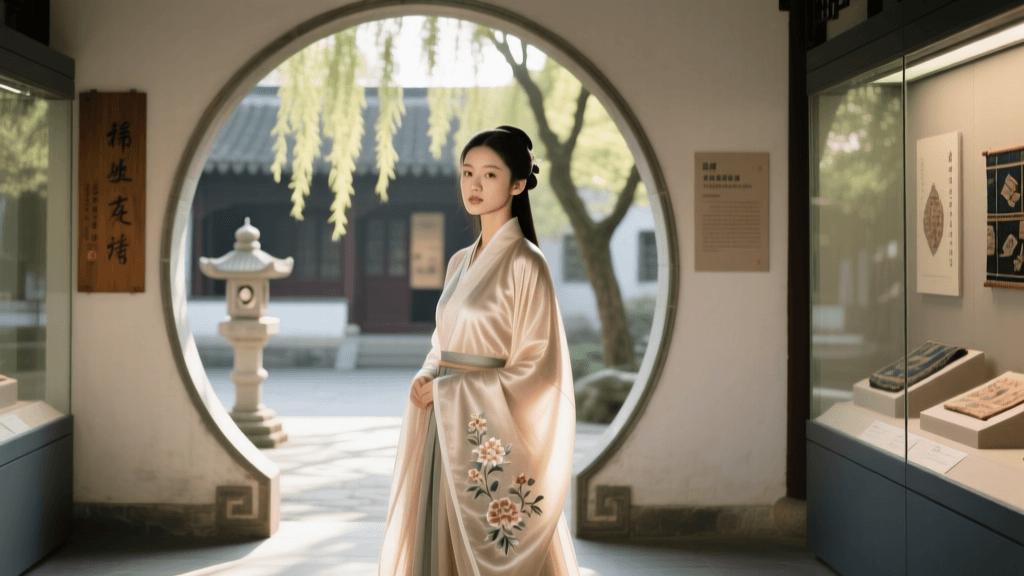
Wearing Hanfu to a museum is a beautiful way to honor the artifacts on display, but it requires a heightened sense of spatial awareness and respect for conservation protocols.
The Danger of Flash Photography
Ancient silk dyes, particularly those derived from organic plant and mineral sources like indigo, madder root, and cinnabar, are highly photosensitive. The intense burst of light from a camera flash can cause irreversible molecular degradation to these fragile pigments. Always disable your flash before entering a textile gallery, and respect the 'no photography' signs that frequently accompany exceptionally fragile artifacts like the Mawangdui gauze gown.
Navigating Spaces in Traditional Silhouettes
Garments featuring 'Da Xiu' (large, sweeping sleeves) or long, pleated 'Mamian' skirts require careful navigation in crowded exhibition halls. Maintain a safe distance from open display cases, interactive looms, and delicate scroll paintings. When leaning in to examine the intricate embroidery of a Qing dynasty court robe, use your hands to gently gather your sleeves to prevent them from brushing against glass barriers or knocking over informational placards.
'Textiles are the most fragile of all historical artifacts. They are vulnerable to light, humidity, and the oils of the human hand. When we view them, we must do so with a light footprint, ensuring that the physical evidence of our ancestors' artistry survives for the next generation.'
— Conservation Guidelines for Ancient Asian Textiles
Preserving Intangible Heritage Through Exhibition
Museums do more than display dead objects; they act as vital nodes in the living ecosystem of intangible cultural heritage. By attending educational workshops at the Palace Museum or observing master weavers in Chengdu, modern Hanfu enthusiasts bridge the gap between historical reverence and contemporary practice. The meticulous research conducted by museum curators directly informs the patterns, fabric weights, and tailoring techniques used by today's heritage brands, ensuring that the revival of Hanfu remains rooted in historical authenticity rather than mere fantasy.
Whether you are a seasoned collector of antique textiles or a newcomer eager to understand the drape of a Song dynasty Beizi, China's heritage sites offer an unparalleled education. Plan your visit, respect the artifacts, and let the threads of history guide your journey through the magnificent world of traditional Asian garments.