Miao Ethnic Clothing: Indigo Batik, Silverwork, and Sourcing Guide
The Wearable Archives of the Miao People
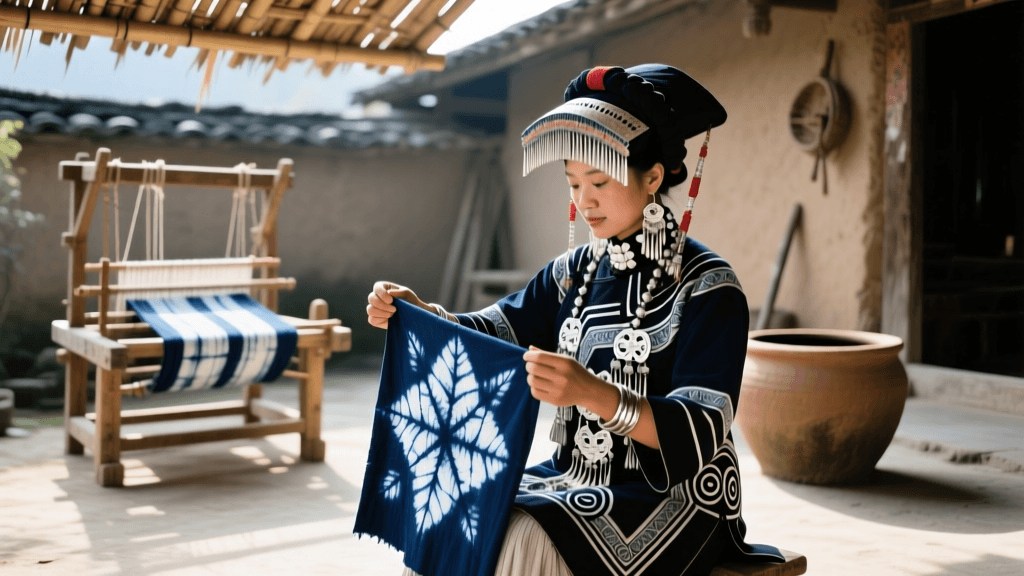
The Miao people, widely known in the West as the Hmong, possess one of the most visually striking and culturally profound sartorial traditions in Asia. Concentrated primarily in the mountainous provinces of Guizhou, Yunnan, and Hunan in southwestern China, the Miao have historically lacked a universally adopted written script. As a result, their clothing serves as a wearable archive—a complex textile language that records ancestral migrations, mythological origins, and clan identities. According to cultural historians and anthropological records documented by Britannica, the intricate embroidery and structural designs of Miao garments are not merely decorative; they are vital historical texts passed down through generations of female artisans.
For collectors, cultural enthusiasts, and ethical fashion travelers, understanding the nuances of Miao ethnic clothing requires looking beyond the vibrant colors. It demands an appreciation of the grueling craftsmanship behind their indigo batik, the structural engineering of their pleated skirts, and the profound economic and spiritual weight of their silver adornments. This guide provides a comprehensive, actionable overview of Miao clothing traditions, complete with practical advice on sourcing, pricing, and garment care.
The Alchemy of Indigo Batik (Laran)
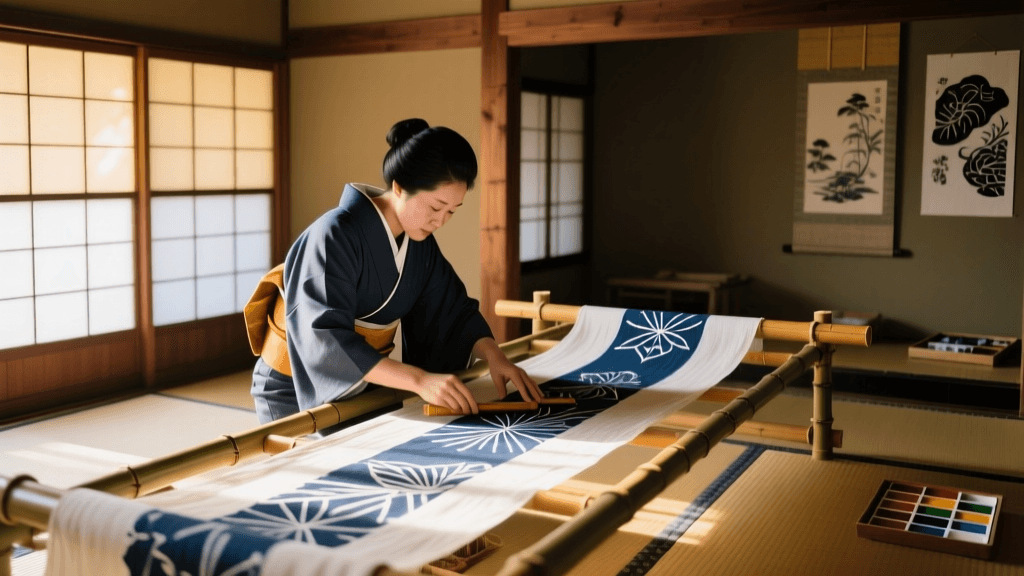
At the heart of Miao textile artistry is laran, or beeswax-resist indigo batik. Unlike the mass-produced, chemical-dyed textiles found in tourist markets, authentic Miao batik is a masterclass in organic chemistry and patience. The process begins with the cultivation of Strobilanthes cusia, the indigo-bearing plant. The leaves are harvested, soaked, and fermented in large wooden vats alongside wood ash, rice wine, and natural minerals to create a living dye bath.
Artisans use specialized copper knives, known as ladao, to draw intricate geometric and mythological motifs onto white cotton using melted beeswax. The wax acts as a resist agent. When the fabric is submerged in the indigo vat—sometimes up to twenty times to achieve a deep, midnight blue—the waxed areas remain white. The fabric is then boiled to remove the wax, revealing crisp, stunning patterns. A hallmark of authentic hand-drawn Miao batik is the presence of 'ice cracks'—fine, web-like lines where the wax fractured during handling, allowing trace amounts of indigo to seep through. Machine-made fakes lack these organic imperfections.
Actionable Sourcing Advice: When purchasing a batik jacket, look for the origin tag. Danzhai County in Guizhou is globally recognized as the epicenter of traditional Miao batik. Expect to pay between $60 and $120 USD for a genuine, hand-dyed artisanal jacket, compared to $15 to $25 for chemically dyed, screen-printed replicas.
The Hundred-Pleat Skirt: Engineering in Cotton
Perhaps the most iconic garment in the Miao wardrobe is the bai zhe qun, or 'hundred-pleat skirt.' Despite the name, a traditional skirt often features anywhere from 500 to over 1,000 micro-pleats. The creation of this garment is an exercise in structural engineering and sheer physical endurance.
A single skirt requires 15 to 20 meters of hand-woven cotton. The pleating process alone takes one to two weeks. Artisans fold the damp cotton with meticulous precision, using a mixture of egg whites and herbal starches to set the pleats. The skirt is then tightly bound with straw ropes and left to dry and cure in the shade. This curing process ensures the pleats remain rigid and bouncy, creating a bell-like silhouette that flares dramatically during traditional Lusheng (reed pipe) dances.
Measurements and Fit: Authentic hundred-pleat skirts are typically wrap-around garments, adjustable at the waist, with lengths varying from knee-length (common in the Danzhai region) to calf-length (common in Leishan). When purchasing for personal wear, ensure the waistband is reinforced with heavy canvas or embroidered silk, as the weight of the dense cotton pleats can easily tear weaker fabrics.
Silverwork: The Weight of Ancestral Blessings
No Miao festival attire is complete without silver. For the Miao, silver represents light, purity, and protection against evil spirits. It is also a vital form of portable wealth, historically crucial for a nomadic people. A full festival ensemble—including a towering buffalo-horn headdress, heavy neck torcs, chest plates, and hairpins—can weigh between 1.5 and 3 kilograms.
The silversmithing techniques employed by Miao artisans are extraordinary, utilizing repoussé, chasing, and intricate filigree wirework. Motifs frequently feature the 'Butterfly Mother' (the mythological progenitor of humanity in Miao lore), water dragons, and songbirds.
'A Miao girl without silver is like a garden without flowers. The silver we wear is the accumulated love and protection of every mother who came before us.' — Traditional Miao proverb regarding bridal dowries.
Buying Silver in Guizhou: The city of Kaili is the premier hub for Miao silverwork. When sourcing silver, always look for the S990 or S999 purity stamps. Pricing is transparent and tied to the global silver spot price plus a craftsmanship fee. As of recent market rates, expect to pay the daily spot price of silver plus an artisan fee of approximately $1.50 to $3.00 USD per gram. A heavy, authentic S999 silver neck torc weighing 300 grams will cost roughly $400 to $600 USD, depending on the complexity of the filigree.
Sourcing Authentic Miao Garments: A Practical Guide
When traveling to Guizhou to source garments, it is crucial to distinguish between mass-produced souvenirs and genuine artisanal pieces. Below is a comparison chart to help buyers identify authentic Miao textiles and silverwork.
| Feature | Mass-Produced / Tourist Grade | Authentic Artisanal Grade |
|---|---|---|
| Indigo Dye | Chemical synthetic; uniform color, no odor. | Plant-based fermentation; deep blue/black with a faint, earthy, herbal scent. |
| Batik Motifs | Screen-printed; perfect symmetry, no 'ice cracks'. | Hand-drawn with beeswax; slight asymmetries, distinct 'ice crack' veining. |
| Embroidery | Machine-embroidered; flat, shiny polyester threads. | Hand-stitched (e.g., double-thread or couching); matte silk/cotton, raised textures. |
| Silver Purity | Alloy or silver-plated brass; lightweight, may cause skin discoloration. | S990/S999 pure silver; heavy, soft to the touch, stamped with purity marks. |
| Price Range (Jacket) | $15 - $35 USD | $80 - $250+ USD (Antique or master-crafted pieces can exceed $1,000) |
Festival Timing and Travel Logistics
To witness Miao clothing in its full, kinetic glory, timing your visit to coincide with traditional festivals is essential. The Sisters' Meal Festival, often described as the oldest Valentine's Day in Asia, takes place in the lunar calendar's third month (usually April) in Taijiang County. Here, women wear their most elaborate silver headdresses and heavily embroidered jackets to court suitors.
Another major event is the Lusheng Festival, held in various villages across Leishan and Danzhai during the autumn harvest. During this time, the hundred-pleat skirts are showcased in dynamic, swirling dances. Travelers should book accommodations in Kaili or Xijiang Miao Village at least two months in advance, as local guesthouses fill rapidly. Expect to pay around $40 to $80 USD per night for a mid-range boutique guesthouse during festival weeks.
Care and Maintenance for Collectors
Authentic Miao garments require specific care to preserve their organic dyes and delicate metalwork. Improper maintenance can ruin months of an artisan's labor in a single wash.
Caring for Indigo Batik and Embroidery
- Washing: Never use hot water or harsh alkaline detergents on natural indigo. Hand-wash the garment in cold water using a pH-neutral soap or specialized silk/wool wash.
- Drying: Indigo is highly sensitive to UV degradation. Always dry the garment flat in the shade. Direct sunlight will bleach the deep blues into a muddy, uneven gray.
- Storage: Store cotton and silk pieces in a cool, dry place. Use acid-free tissue paper to stuff the sleeves and bodice to maintain the garment's shape and prevent deep creases from breaking the embroidered threads.
Maintaining Miao Silverwork
- Polishing: Pure S999 silver oxidizes and tarnishes naturally. Avoid commercial chemical dips, which can strip the metal and damage delicate filigree. Instead, use a soft microfiber cloth and a mild paste of baking soda and water to gently buff the surface.
- Storage: Store silver pieces in anti-tarnish flannel bags. Keep them separated from one another to prevent the heavy horns and torcs from scratching or bending under their own weight.
Conclusion
Miao ethnic clothing is a profound intersection of art, history, and survival. From the living alchemy of indigo fermentation to the heavy, protective embrace of S999 silver, every thread and motif tells a story of resilience. By understanding the metrics of authentic craftsmanship—from the presence of wax 'ice cracks' to the structural engineering of the hundred-pleat skirt—collectors and travelers can ethically source and preserve these wearable archives. Supporting the artisans of Guizhou not only enriches your personal collection but ensures that the vibrant language of Miao textiles continues to be spoken for generations to come. For further reading on the preservation of China's ethnic minority crafts, resources provided by organizations like UNESCO's Intangible Cultural Heritage division offer invaluable insights into global safeguarding efforts.