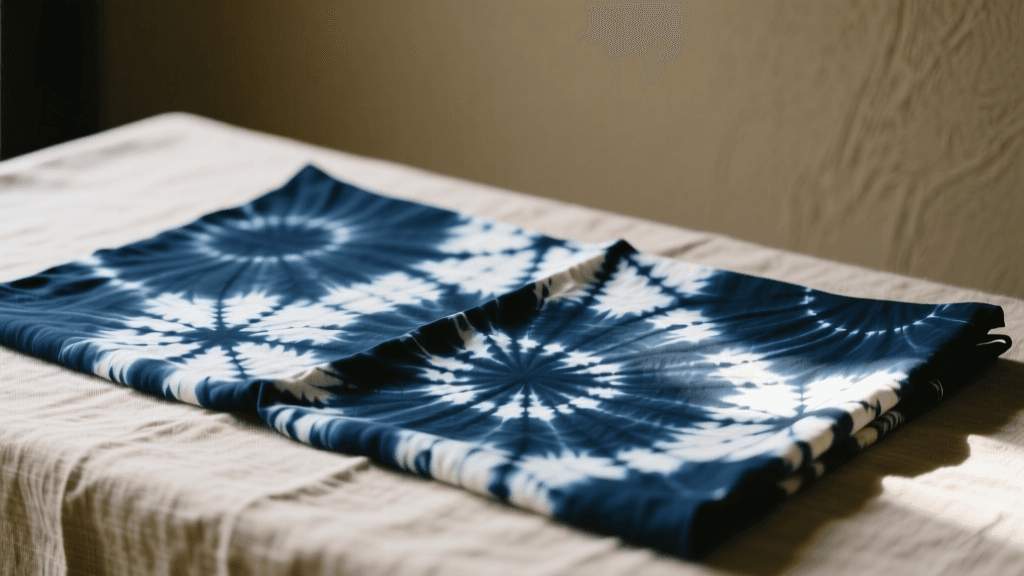
Mastering Kyo Yuzen: Inside Kyoto's Silk Dyeing Workshops
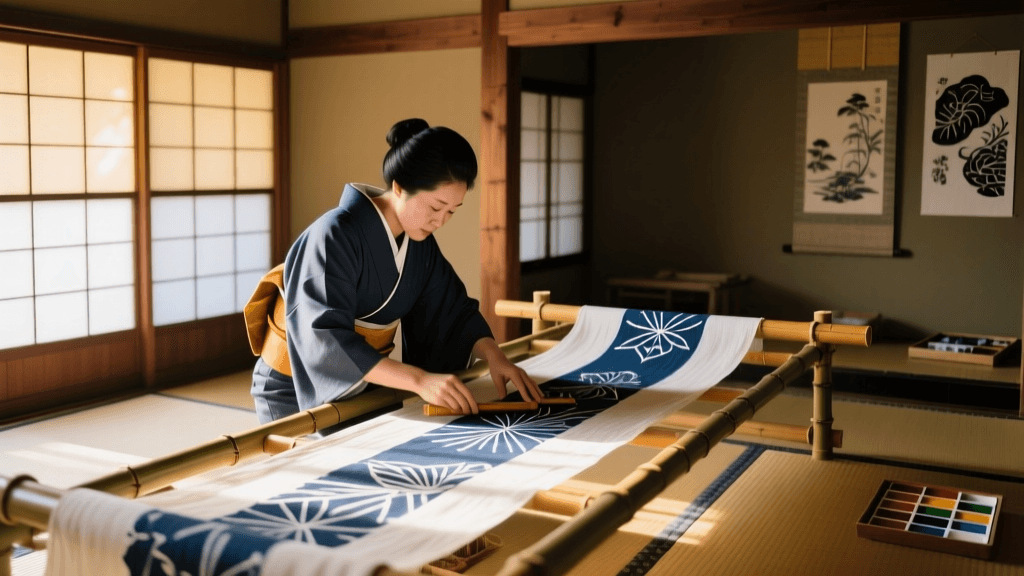
The Living Heritage of Kyo Yuzen
Kyoto is the undisputed heart of Japan's textile heritage, and at the center of this vibrant tradition is Kyo Yuzen, a highly sophisticated silk dyeing technique used to create some of the world's most exquisite kimono. Unlike woven textiles where the pattern is built into the fabric structure, Kyo Yuzen treats silk as a painter's canvas. The result is a garment featuring sweeping, multi-colored pictorial designs that flow seamlessly across the seams of the kimono. For textile enthusiasts, cultural historians, and travelers, stepping inside a Kyoto artisan workshop offers a profound glimpse into a craft that demands decades of mastery.
Historical Context: The Yuzen Revolution
The technique is named after Miyazaki Yuzensai, a fan painter active in Kyoto during the late 17th century (the Genroku era). Prior to his innovations, kimono patterns were largely restricted to embroidery, tie-dyeing (shibori), or simple woven motifs. Yuzensai introduced a method of applying a rice-paste resist to silk, allowing artisans to draw intricate, free-flowing lines that prevented dyes from bleeding into one another. This breakthrough democratized luxury, allowing the newly wealthy merchant classes of the Edo period to wear vibrant, pictorial designs that rivaled the aristocracy. Today, the Kyoto City Official Tourism Guide recognizes Kyo Yuzen as one of the city's most vital traditional industries, supporting hundreds of specialized workshops.
The Anatomy of a Kimono Bolt: Understanding Tanmono
Before exploring the dyeing process, one must understand the canvas. Kyo Yuzen is applied to a tanmono, a standard bolt of silk. A traditional tanmono measures exactly 36 centimeters (about 14 inches) in width and 12 to 13 meters (about 40 feet) in length. This specific dimension is not arbitrary; it is designed to be cut into straight, rectangular panels that are sewn together to form a kimono without wasting a single millimeter of precious silk. Artisans must plan their pictorial designs meticulously so that the motifs align perfectly across the back seams, sleeves, and overlapping front panels when the garment is assembled.
The Five Pillars of the Yuzen Dyeing Process
Creating a single Kyo Yuzen kimono is a highly collaborative effort, often requiring the hands of up to a dozen specialized artisans. The process is generally divided into five major stages:
1. Shita-e (Drafting the Design)
The master designer sketches the pattern directly onto the white silk using aobana (dayflower juice). This pale blue liquid is highly soluble in water, meaning the draft lines will completely vanish during the final washing stage, leaving no trace on the finished garment.
2. Itome-nori (Applying the Resist)
Using a specialized brass cone called a tsutsu, the artisan traces over the aobana draft with a thick, waterproof rice paste (itome-nori). This paste acts as a dam. When dyes are later applied, the paste prevents the colors from bleeding across the lines, ensuring crisp, sharp contours.
3. Iro-zashi (Coloring)
Once the paste dries, colorists use fine brushes to paint soybean-based dyes and pigments within the outlined areas. This step requires an encyclopedic knowledge of color theory, as the artisan must anticipate how the colors will shift after the silk is steamed to set the dyes.
4. Ji-zome and Yushin (Background Dyeing and Steaming)
After the detailed motifs are painted, the entire bolt is covered with a protective layer of rice paste (boseki-nori) to shield the painted areas. The background is then dyed, usually in a solid color or a subtle gradient. The silk is then placed in a large cedar steam box (yushin) for 30 to 40 minutes, which fixes the dyes into the silk fibers.
5. Shiage (Finishing)
The silk is washed in cold, running water—a historic practice known as yuzen-nagashi, which once took place in the Kamo River but is now done in specialized indoor water tanks. Finally, finishing artisans may apply gold leaf (surihaku), metallic threads, or intricate embroidery to elevate the design.
Experiencing the Craft: Kyoto Artisan Workshops
For visitors wishing to move beyond museum observation and engage directly with the craft, Kyoto offers several accessible artisan workshops. These experiences range from brief introductory sessions to multi-day apprenticeships.
Marumasu Nishimuraya: Located in the historic Nishijin weaving district, this is one of the most accessible and reputable workshops for international visitors. They offer hands-on Yuzen dyeing experiences where participants can dye items ranging from small furoshiki (wrapping cloths) to full silk obi sashes. Booking must be made at least two weeks in advance via their English-friendly website. A standard 90-minute furoshiki workshop costs around 4,400 JPY (approx. $30 USD), while a comprehensive 3-hour obi dyeing session costs roughly 16,500 JPY (approx. $110 USD).
Chiso Museum and Workshop: Chiso is a prestigious, high-end Yuzen house established in 1555. While their primary focus is on creating museum-grade kimono for the imperial family and elite clientele, they offer guided tours of their archive and select, highly supervised dyeing demonstrations. This is less of a 'make-your-own' craft class and more of an elite masterclass observation. Tours cost approximately 3,000 JPY and require advance reservation through a concierge or specialized travel agent.
Workshop Comparison Chart
| Workshop Name | Duration | Estimated Cost (JPY) | Output / Experience | Skill Level Required |
|---|---|---|---|---|
| Marumasu Nishimuraya | 90 mins | 4,400 | Silk Furoshiki (Wrapping Cloth) | Beginner |
| Marumasu Nishimuraya | 3 hours | 16,500 | Silk Obi Sash or Stole | Intermediate |
| Chiso Archive Tour | 60 mins | 3,000 | Observation & Historical Tour | N/A (Observation) |
| Kyoto Fureaikan Museum | 45 mins | 1,500 | Yuzen Postcard or Coaster | Beginner |
Etiquette and Preparation for Workshop Visitors
When visiting a working Yuzen atelier, observing proper etiquette is crucial. Artisans are handling delicate, high-value silk that can be ruined by a single drop of oil or sweat.
- Wear Clean Socks: You will be required to remove your shoes before entering the tatami-matted work areas. Ensure your socks are clean and free of holes.
- Do Not Touch the Drafts: The pale blue aobana sketches on the silk are highly sensitive to moisture. Even the natural oils from your fingertips can cause the lines to smear or become permanently fixed into the silk.
- Photography Restrictions: While many workshops allow photos of your own work, photographing the master artisans' proprietary designs or ongoing commissions for private clients is strictly prohibited unless explicit permission is granted.
- Timing: Book morning sessions (usually starting at 10:00 AM). Natural light is critical for color matching, and artisans are most active in the early hours. Afternoons are often reserved for steaming, washing, and administrative tasks.
Preserving the Future of Japanese Textile Arts
Despite its beauty, the Kyo Yuzen industry faces severe challenges. The aging population of master artisans and the declining everyday use of kimono have led to a shortage of successors. Recognizing this crisis, the Japanese government has stepped in to protect these vital cultural assets. According to the Ministry of Economy, Trade and Industry (METI), Kyo Yuzen is officially designated as a Traditional Craft Industry, a status that provides financial subsidies for apprenticeship programs and raw material procurement.
Furthermore, institutions like the Kyoto Museum of Traditional Crafts (Fureaikan) play a pivotal role in educating the public and connecting international buyers with certified artisans. By participating in workshops, purchasing directly from ateliers, and supporting these heritage sites, travelers contribute directly to the economic ecosystem that keeps these centuries-old techniques alive.
'Yuzen is not merely about applying color to cloth; it is the act of capturing the fleeting beauty of the Japanese seasons and binding it to silk for generations to come.' — Master Artisan Philosophy
Conclusion
Mastering Kyo Yuzen takes a lifetime, but understanding its profound complexity takes only a single visit to a Kyoto workshop. Whether you are carefully applying rice paste through a brass tsutsu or simply observing a master colorist mix pigments to match the exact hue of a late-autumn maple leaf, engaging with these artisan workshops transforms the way you view traditional Japanese garments. You leave not just with a piece of dyed silk, but with a deep, tactile appreciation for the human hands that weave the cultural fabric of Japan.