Chinese Couture on the Global Runway: Sourcing & Styling
The Intersection of Chinese Heritage and Global Haute Couture
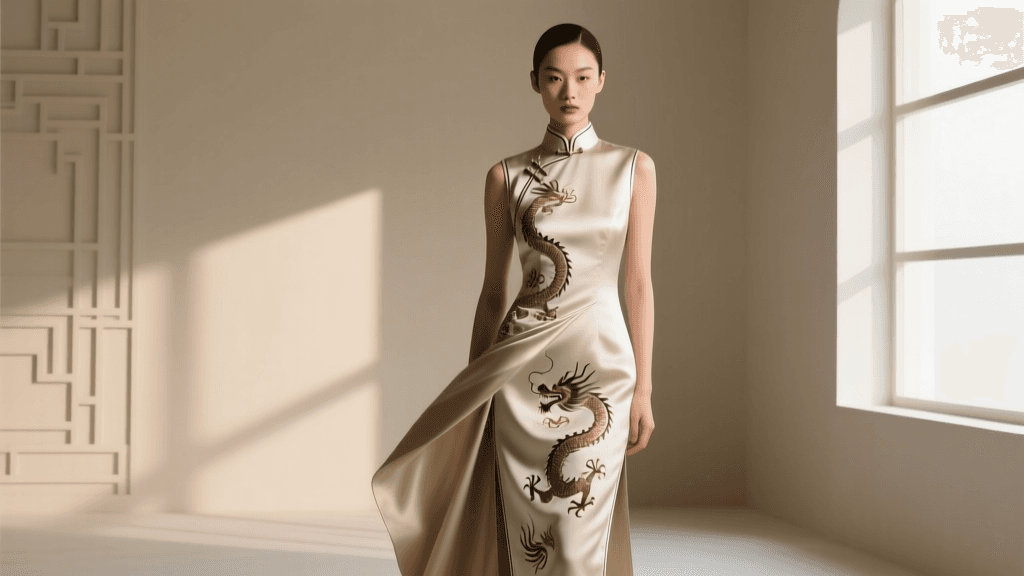
For decades, the global runway has looked to the East for inspiration, but the true integration of Chinese traditional garments into international haute couture represents a profound shift from mere orientalist pastiche to deep structural and artisanal homage. The watershed moment for this global appreciation was arguably the Metropolitan Museum of Art’s landmark 2015 exhibition, China: Through the Looking Glass, which meticulously documented how Chinese aesthetics have fueled the imaginations of Western fashion houses for over a century. Today, however, the narrative has evolved. It is no longer just about Western designers borrowing the mandarin collar or the cheongsam silhouette; it is about Chinese couturiers like Guo Pei and emerging Hanfu-inspired labels dictating the terms of global luxury, utilizing ancient textile techniques that rival—and often surpass—the historic ateliers of Paris.
Deconstructing the Runway: Master Artisan Techniques
When examining Chinese fashion on the international runway, the focus inevitably shifts to the textiles. The foundation of Chinese luxury is silk, a material with a history spanning millennia. As detailed by the Metropolitan Museum of Art’s Heilbrunn Timeline of Art History, the complex sericulture and weaving techniques developed in ancient China remain the bedrock of high-end garment production today. In modern couture, two specific techniques dominate the red carpet and the runway:
1. Kesi (Silk Tapestry) Weaving
Kesi, which translates to "cut silk," is a painstaking weaving technique where the weft threads are woven back and forth only in the areas where a specific color is needed, creating a carved, tapestry-like effect. Unlike standard embroidery, Kesi is woven directly into the fabric structure. A single master weaver in Suzhou may spend up to eight months creating a single square meter of intricate Kesi fabric, making it one of the most expensive and exclusive textiles in the world. On the runway, Kesi is frequently used for structured bodices, heavy outer coats, and heirloom overlays that require immense architectural stability without the bulk of layered embroidery.
2. Su Embroidery (Suzhou Silk Embroidery)
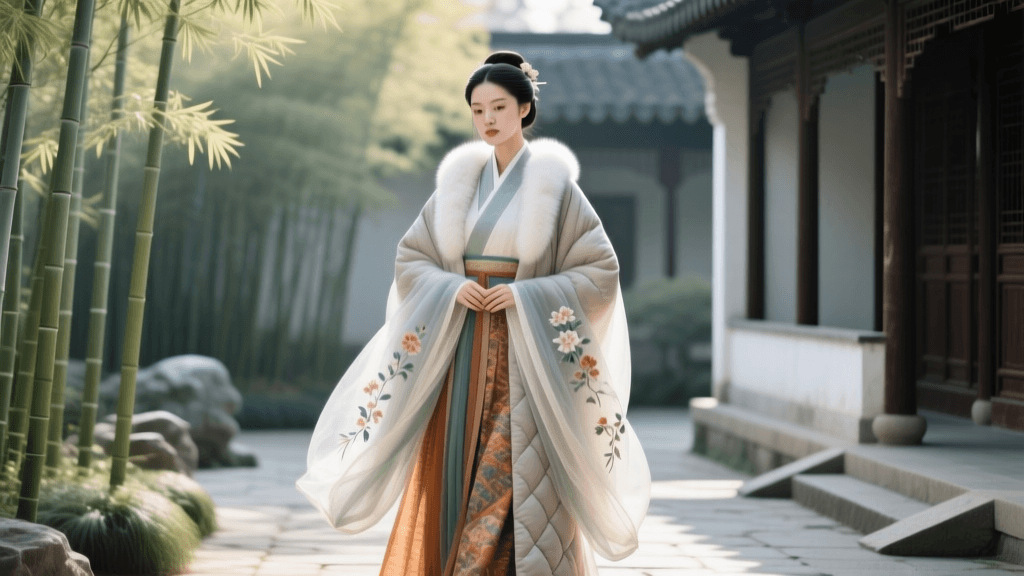
Su embroidery is renowned for its delicate, almost photographic realism. Artisans split a single silk thread into up to 48 finer strands to achieve imperceptible color gradients, particularly in floral and avian motifs. In international couture, Su embroidery is often commissioned by European houses to add unparalleled depth to tulle and organza evening gowns. The "double-sided" Su embroidery technique, where the motif is perfectly visible and identical on both sides of a sheer fabric, is a highly guarded secret utilized in reversible couture capes and dramatic runway trains.
Data Comparison: Chinese Artisan Techniques vs. Western Haute Couture
Understanding the economic and temporal investment of these techniques is crucial for stylists, collectors, and private clients commissioning runway-level garments. Below is a comparative analysis of traditional Chinese couture techniques versus their Western haute couture counterparts.
| Technique | Origin | Time per Sq. Meter | Est. Base Cost (USD) | Primary Runway Application |
|---|---|---|---|---|
| Kesi Weaving | Suzhou, China | 4 - 8 months | $12,000 - $25,000+ | Structural bodices, architectural outerwear |
| Su Embroidery | Suzhou/Hunan, China | 2 - 5 months | $6,000 - $15,000 | Gradient shading, sheer overlays, reversible capes |
| Goldwork / Panjin | Imperial China | 3 - 6 months | $10,000 - $20,000 | Dragon motifs, ceremonial wedding trains |
| Lesage Beadwork | Paris, France | 1 - 3 months | $8,000 - $18,000 | Tweed integration, sequin mapping, fringe |
| Lunéville Hook | France / Global | 1 - 2 months | $3,000 - $8,000 | Haute couture tulle, lightweight evening wear |
Actionable Guide: Commissioning a Custom Couture Garment
For private clients, celebrities, and stylists looking to source authentic, couture-level Chinese garments for galas, the Met Gala, or international film premieres, commissioning directly from master ateliers is the most reliable path. Here is a step-by-step actionable guide to navigating this process.
Step 1: Sourcing the Atelier
While Paris remains the hub for Western couture, the epicenter for authentic Chinese textile creation lies in Suzhou and Hangzhou. Clients should seek out state-recognized Master of Arts and Crafts (Gongyi Meishu Dashu) ateliers. Alternatively, luxury sourcing agents based in Shanghai can bridge the language and logistical gap, typically charging a 15% to 20% commission fee to manage the project from sketch to final fitting.
Step 2: The Measurement and Fitting Protocol
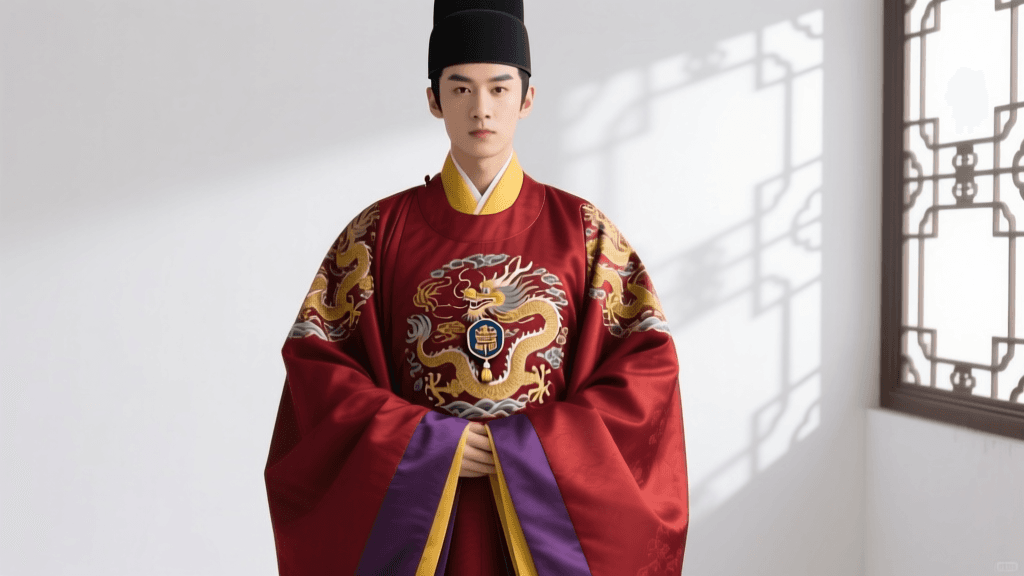
Traditional Chinese garments, particularly those inspired by the Ming Dynasty Mamianqun (horse-face skirt) or the structured Qing Dynasty court robes, require vastly different measurements than Western bias-cut gowns. When submitting your measurement packet to a Chinese atelier, ensure you include:
- Hollow-to-Hem: Crucial for maintaining the exact drape of a Mamianqun pleat.
- Shoulder Slope and Cross-Back: Essential for the flat, structural shoulder lines typical of traditional Hanfu and Qipao designs.
- Armhole Depth: Traditional garments often feature a flatter armscye to allow for greater arm mobility without lifting the entire garment.
- Wrist and Ankle Circumference: Necessary for the precise placement of embroidered cuffs and ankle bands.
Step 3: Timeline and Budgeting
Commissioning a fully hand-embroidered, Kesi-woven gown is not a rushed process. You must initiate contact 9 to 12 months prior to your event. The budget for a fully bespoke, runway-quality gown utilizing authentic Su embroidery and silk brocade typically starts at $25,000 USD and can easily exceed $85,000 USD for complex, multi-panel designs featuring gold thread (Panjin) work. A 50% deposit is standard upon design approval, with the remaining 50% due upon completion and final fitting.
Styling Traditional Couture for the Modern Red Carpet
Integrating traditional Chinese couture into a modern red carpet or high-fashion editorial requires a delicate balance of reverence and contemporary edge. The goal is to avoid looking like a historical reenactor while honoring the garment's profound cultural weight.
"The future of Chinese fashion on the global stage relies not on replicating the past, but on translating its artisanal soul into a modern silhouette. A Ming Dynasty skirt paired with a sharply tailored, minimalist tuxedo jacket creates a dialogue between eras that is both fiercely modern and deeply respectful." — Contemporary Fashion Curation Consensus
Styling Action Items:
- The Silhouette Contrast: Pair a voluminous, heavily embroidered traditional skirt (like the Mamianqun) with a stark, unadorned, structured Western top. A simple silk crepe halter or a sharp, architectural blazer allows the intricate Kesi or Su embroidery to serve as the focal point without overwhelming the wearer.
- Jewelry and Accessories: Avoid generic "jade lookalikes." Invest in authentic Hetian nephrite jade set in modern gold filigree. For hair, utilize minimalist gold hairpins (Zanzi) rather than full, heavy traditional headdresses (Fengguan), which are reserved for specific ceremonial contexts and can appear costumey on a modern red carpet.
- Footwear: Traditional cloth shoes are impractical for modern galas. Opt for sleek, pointed-toe pumps or architectural heels in a color that matches the secondary thread color in the garment's embroidery, creating a cohesive visual line from head to toe.
Conclusion: The Enduring Legacy of Chinese Couture
Chinese fashion on the international runway has transcended the era of superficial appropriation. Today, it stands as a pillar of global haute couture, defined by its uncompromising dedication to artisanal techniques, historical depth, and structural innovation. Whether you are a stylist sourcing for a high-profile client, a collector investing in wearable art, or a fashion historian tracing the evolution of global luxury, understanding the nuances of Kesi weaving, Su embroidery, and traditional silhouettes is essential. By approaching these garments with the respect, budget, and time they demand, the modern fashion elite can participate in the ongoing, magnificent evolution of Chinese sartorial heritage.