How to Clean, Restore, and Store Vintage Shibori and Yuzen
Preserving the Art of Japanese Dyeing
Collecting vintage Japanese garments is a deeply rewarding pursuit that connects us to centuries of artisanal mastery. However, acquiring a mid-century kimono, haori, or obi is only the first step; preserving these delicate textiles requires a nuanced understanding of their specific dyeing techniques. The intricate worlds of Shibori, Yuzen, and Kasuri each utilize vastly different chemical processes, resist methods, and base fibers. What works to clean a sturdy cotton Kasuri jacket could instantly ruin a delicate silk Yuzen obi.
In this comprehensive guide, we will explore the practical, actionable steps required to clean, restore, and archive vintage Japanese dyed textiles. Whether you are dealing with indigo-bleeding Shibori or gold-leafed Yuzen, understanding the correct water temperatures, pH-neutral detergents, and archival storage measurements will ensure your collection survives for generations.
Decoding the Dyes: Shibori, Yuzen, and Kasuri
Before introducing water or cleaning agents to any vintage garment, you must identify the dyeing technique and the base fiber. Each method interacts with moisture and friction differently.
Shibori: The Art of Physical Resist
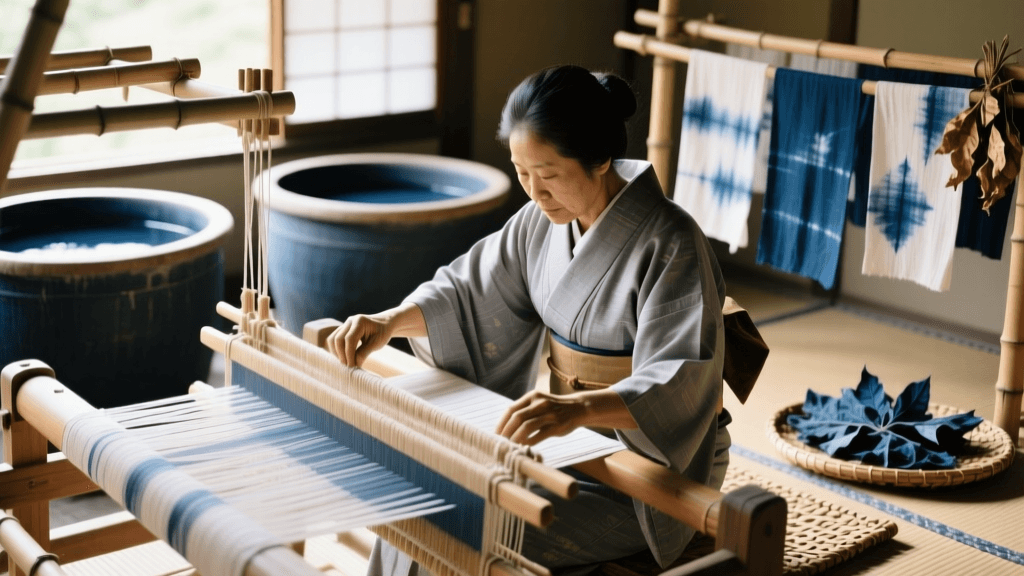
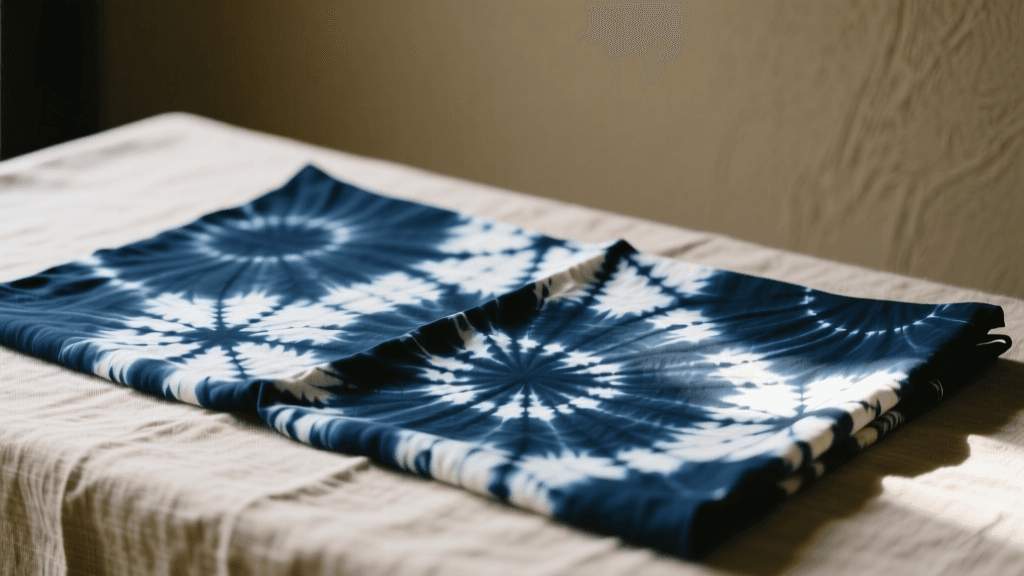
Shibori encompasses a variety of physical resist-dyeing techniques, including arashi (pole-wrapping), kumo (pleating and binding), and itajime (shape-resist). Vintage Shibori is most commonly found on silk or cotton, heavily featuring natural indigo. Indigo is a surface-level vat dye that is notoriously prone to crocking (rubbing off) and bleeding when exposed to warm water or alkaline detergents. Furthermore, the physical crinkles created during the Shibori process can be permanently flattened if ironed incorrectly.
Yuzen: Rice Paste and Painted Elegance
Yuzen is a highly detailed, multi-step resist technique that uses itomenori (rice paste) to outline designs, preventing dyes from bleeding into one another. Vintage Kyo-yuzen and Kaga-yuzen silks often feature hand-painted gradients and delicate metallic accents like gold or silver leaf. Submerging vintage Yuzen in water can dissolve residual paste, cause catastrophic dye migration, or strip away metallic leafing. Yuzen almost always requires spot-cleaning or professional disassembly.
Kasuri: The Woven Ikat
Kasuri (the Japanese term for Ikat) involves dyeing the threads before they are woven, creating a characteristic blurred, pixelated pattern. Vintage Kasuri is frequently made from robust cotton (such as Kurume Kasuri) or crisp silk (Meisen). Because the dye penetrates the core of the yarn during the pre-weaving stage, Kasuri is highly colorfast. However, vintage cotton Kasuri is susceptible to severe shrinkage if exposed to sudden temperature changes.
Pre-Wash Assessment and Spot Testing
Never assume a vintage garment is colorfast. Before any full immersion, perform a rigorous spot test. Using a white cotton swab dipped in distilled water, gently press (do not rub) against an inconspicuous area of the dye, such as the inside of a sleeve or a hidden hem. Wait 60 seconds. If any pigment transfers to the swab, the garment must not be submerged.
Additionally, assess the structural integrity of the silk. Hold the fabric up to a light source and gently pinch it. If you hear a distinct "crunching" sound or notice micro-tears along the fold lines, the silk is suffering from "shattering" (often caused by historical metallic salt weighting). Shattered silk cannot be washed; it must be stabilized by a professional conservator.
Hand-Washing Protocols for Cotton and Silk
If your spot test passes and the garment is structurally sound, you may proceed with hand-washing. Forget modern laundry detergents, which contain optical brighteners, enzymes, and alkaline builders that strip natural dyes. Instead, use Orvus WA Paste, a pH-neutral, sodium lauryl sulfate-based quilt soap widely trusted by textile conservators. A 16-ounce bottle costs approximately $15 to $20 and will last for dozens of washes.
The Washing Process
- Preparation: Fill a clean plastic basin with 3 gallons of distilled or filtered water. For silk Shibori, keep the water cold (60°F to 65°F). For cotton Kasuri, use lukewarm water (80°F to 85°F).
- Detergent Ratio: Dissolve exactly 1/4 teaspoon of Orvus WA Paste per gallon of water. Ensure it is fully dissolved before introducing the textile.
- Agitation: Submerge the garment. Gently press it down into the water. Never twist, wring, or scrub the fabric, as wet silk loses up to 20% of its tensile strength.
- Timing: Limit the soak time to 10 to 15 minutes. Prolonged exposure to water increases the risk of dye migration.
- Rinsing: Drain the soapy water and refill the basin with fresh, temperature-matched water. Repeat the rinse process three times, or until the water runs completely clear.
Comparison Chart: Washing Methods by Dye Technique
| Dye Technique | Primary Fiber | Water Temp | Detergent Type | Soak Time | Drying Method |
|---|---|---|---|---|---|
| Shibori (Indigo) | Silk / Cotton | Cold (60°F) | Orvus WA Paste | 10 Minutes | Flat, shaded, rolled in towel |
| Yuzen | Silk | N/A (Spot Clean) | Distilled Water Only | N/A | Air dry flat, professional press |
| Kasuri (Kurume) | Cotton | Lukewarm (85°F) | Orvus WA Paste | 15 Minutes | Flat, shaded, slight damp iron |
| Kasuri (Meisen) | Silk | Cool (70°F) | Orvus WA Paste | 10 Minutes | Flat, shaded, rolled in towel |
The Arai-Hari Method: When to Call a Professional
For heavily soiled Yuzen garments, or any kimono featuring gold leaf, embroidery, or extensive lining, home washing is too risky. In Japan, the traditional solution is Arai-Hari (literally "wash and stretch"). This meticulous process involves completely unstitching the kimono into its original rectangular fabric bolts, washing the individual panels, and stretching them on wooden frames to dry before being re-sewn.
While finding a traditional Arai-Hari artisan outside of Japan is difficult, specialized vintage kimono dealers and textile conservators offer modern equivalents. Expect to pay between $80 and $150 USD for professional conservation cleaning of a single vintage kimono. When seeking professional help, the American Institute for Conservation recommends using their "Find a Conservator" directory to locate specialists trained in historic Asian textiles, ensuring your garment is not subjected to harsh modern dry-cleaning chemicals like perc, which can dissolve vintage silk finishes.
Drying, Pressing, and Restoring the Luster
Never hang a wet vintage garment; the weight of the water will distort the seams and stretch the fibers. Instead, lay the rinsed textile flat on a clean, colorfast cotton bath towel. Roll the towel and the garment together like a sleeping bag, pressing gently to extract excess moisture. Unroll and transfer the damp garment to a dry towel or a fiberglass drying screen in a shaded, well-ventilated room. Direct sunlight will rapidly fade natural indigo and botanical dyes.
When the garment is 90% dry, you may press it. Use an iron on the lowest silk setting. Always place a 100% cotton pressing cloth between the iron and the textile. For Shibori, avoid pressing the fabric flat; instead, use a light steaming motion hovering an inch above the fabric to relax wrinkles without crushing the iconic three-dimensional crinkles.
Archival Storage: Measurements and Materials
Proper storage is the final, and perhaps most critical, step in textile preservation. The Canadian Conservation Institute emphasizes that maintaining a stable environment with a relative humidity of 50% and a temperature of 68°F (20°C) is crucial for preventing mold and fiber degradation.
Selecting the Right Tissue Paper
The type of tissue paper you use depends on the fiber content:
- Unbuffered Acid-Free Tissue: Mandatory for protein fibers like silk (Shibori, Yuzen, Meisen Kasuri). Buffered tissue contains an alkaline reserve (calcium carbonate) that can damage silk over time.
- Buffered Acid-Free Tissue: Ideal for cellulose fibers like cotton (Kurume Kasuri). The alkaline reserve helps neutralize environmental acids that cause cotton to yellow and become brittle.
Box Measurements and Folding Techniques
Avoid hanging vintage kimono on wooden or wire hangers, as the shoulder seams will inevitably tear under the weight. Instead, fold the garment and store it in an archival-quality, acid-free textile box. The ideal storage box measures 36 x 24 x 12 inches. This large footprint minimizes the number of folds required.
When folding, pad every crease with a "sausage" of rolled tissue paper (approximately 2 inches in diameter) to prevent hard creases that lead to fiber breakage. The National Park Service Museum Handbook notes that refolding textiles along different lines every six months is a vital practice to distribute stress across the fibers, preventing permanent shattering along historical fold lines.
"Textiles are among the most fragile of all museum objects. Their survival depends not on aggressive cleaning, but on preventive conservation, stable environments, and a deep respect for the chemical limitations of historical dyes."
Conclusion
Caring for vintage Shibori, Yuzen, and Kasuri garments requires a shift in mindset from modern laundry habits to the meticulous practices of archival conservation. By understanding the unique chemistry of indigo vats, rice paste resists, and pre-dyed ikat threads, collectors can make informed decisions about when to gently hand-wash with Orvus paste and when to defer to professional Arai-Hari services. Armed with the correct water temperatures, pH-neutral detergents, and archival storage materials, you can ensure that these breathtaking examples of Asian traditional dyeing arts remain vibrant and intact for decades to come.