The Modern Yukata and Haori: A Guide to Casual Japanese Wear
Introduction to Everyday Japanese Traditional Wear
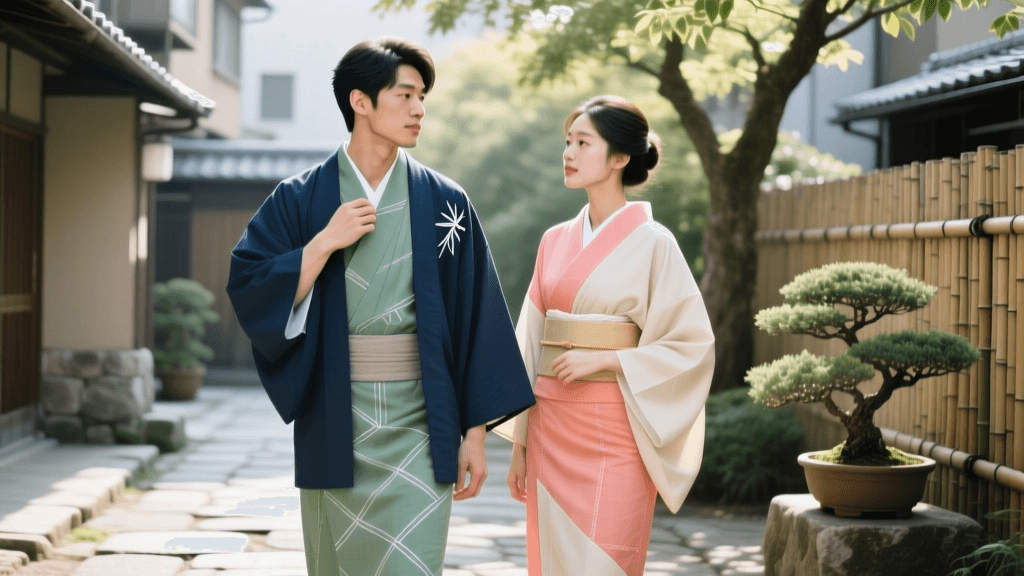
When global audiences think of Japanese traditional clothing, the mind immediately conjures images of the formal, multi-layered silk kimono worn at weddings or tea ceremonies. However, the true heartbeat of Japanese sartorial culture lies in its everyday and casual garments. As modern lifestyles have evolved, so too has the integration of traditional wear into daily life. Today, the yukata and the haori stand out as the most accessible, versatile, and stylish entry points into Japanese fashion. Whether you are attending a summer festival in Kyoto, layering up for a crisp autumn day in London, or simply seeking a unique loungewear piece for your home, understanding how to source, size, and style these garments is essential.
According to the Victoria and Albert Museum, the kimono and its casual variants have continuously evolved, adapting to the social and practical needs of the wearer. The transition from formal court dress to everyday cotton and linen garments reflects a broader cultural shift toward comfort without sacrificing aesthetic heritage. This guide will provide actionable advice on incorporating the yukata and haori into your modern wardrobe, complete with sizing metrics, cost breakdowns, and styling tips.
The Yukata: Summer’s Breathable Casual Staple
The yukata is an unlined, casual summer kimono traditionally made from lightweight cotton or linen. Originally worn as a bathrobe by the aristocracy during the Heian period, it eventually became the standard everyday wear for commoners during the Edo period. Today, it is the undisputed king of Japanese summer festivals, fireworks displays, and casual outdoor gatherings.
Fabrics and Materials
For everyday wear, material choice dictates comfort. Traditional yukata are woven from momen (cotton), which is highly breathable and absorbent. Modern iterations often use polyester blends, which are wrinkle-resistant, machine-washable, and significantly cheaper, though they lack the cooling properties of natural fibers. For the best everyday experience, seek out 100% cotton or cotton-linen blends.
Actionable Sizing Guide
Unlike Western clothing, which relies on standardized S, M, L sizing, yukata are sized based on two primary measurements. Getting these right is crucial for a proper fit:
- Mitake (Garment Length): For women, the ideal mitake is roughly equal to your total height (e.g., a 160 cm tall person should look for a 160 cm mitake). The hem should rest right at the ankle. For men, the yukata is worn shorter; subtract 10 to 15 cm from your height to find the correct mitake.
- Yukitake (Sleeve Span): This is measured from the center back seam to the edge of the sleeve. The ideal yukitake is roughly half of your total arm span. Standard sizes usually fall between 64 cm and 68 cm, which accommodates most average builds.
The Haori: The Versatile Traditional Jacket
The haori is a traditional Japanese hip- or thigh-length jacket worn open over a kimono or, in modern contexts, over contemporary clothing. The Metropolitan Museum of Art notes that the haori became a prominent outer layer during the Edo period, allowing wearers to display their wealth and taste through intricate, often hidden, inner linings.
Modern Styling and Everyday Integration
The haori is arguably the easiest traditional Japanese garment to integrate into a Western wardrobe. Because it features an open front and wide sleeves, it drapes beautifully over modern silhouettes. Here are practical ways to style a haori for everyday wear:
- Casual Denim Pairing: Throw a vintage silk haori over a plain white t-shirt and dark denim jeans. The contrast between the casual cotton and the ornate silk creates a striking, high-low fashion statement.
- Autumn Layering: Wear a wool or heavy cotton haori over a fitted turtleneck sweater. The wide sleeves accommodate bulky layers underneath without restricting movement.
- Belted Silhouette: For a more structured, modern look, wrap a thin leather belt around the waist over the open haori, transforming it into a tunic-style cardigan.
Haori Measurements
When shopping for a haori, the most critical measurement is the mitake (length). A standard women's haori falls around 75 cm to 85 cm, resting at the mid-thigh. Men's haori are generally longer, often reaching the knee (90 cm to 100 cm). The yukitake (sleeve span) is less critical for the haori than the yukata, as the open front allows the garment to drape naturally regardless of shoulder width.
Comparison Chart: Yukata vs. Haori for Everyday Wear
| Feature | Yukata | Haori |
|---|---|---|
| Primary Season | Summer (July - August) | Spring, Autumn, Winter |
| Material | Cotton, Linen, Polyester | Silk, Wool, Heavy Cotton |
| Formality Level | Casual / Festival Wear | Casual to Semi-Formal |
| Average Cost (USD) | $40 (Poly) - $150 (Cotton) | $45 (Vintage) - $250 (New) |
| Modern Styling | Worn as a summer dress or robe | Worn as an open jacket or cardigan |
Accessories and Footwear: Completing the Look
No traditional Japanese outfit is complete without the proper accessories. For the casual wearer, understanding the nuances of the obi (sash) and footwear is vital for both comfort and authenticity.
The Obi and Obijime
For a yukata, you will need a hanhaba obi (half-width sash), which is casual, easy to tie, and does not require stiff padding. The most common and practical knot for everyday wear is the bunko (bow knot). To secure the obi and add a pop of color, use an obijime (a decorative braided cord). For a modern twist, many contemporary wearers substitute the traditional obijime with a thin leather belt or a braided macrame cord.
Footwear: Geta and Zori Sizing
As highlighted by Japan Guide, wearing yukata to summer festivals is traditionally paired with wooden sandals called geta. However, Westerners often make the mistake of buying geta that are too large. In Japanese footwear aesthetics, the sandal should be slightly smaller than your foot.
Actionable Sizing Tip: When purchasing geta or zori, select a pair that is 1 to 2 centimeters shorter than your actual foot length. Your heel should slightly overhang the back edge of the wooden base. This prevents the hem of your yukata from catching on the back of the sandal and is considered the correct, elegant way to wear traditional Japanese footwear.
Sourcing Your Garments: Where to Buy
Building a casual Japanese wardrobe does not require importing expensive bespoke garments from Kyoto. Here is a practical breakdown of where to source your pieces:
- Vintage Markets (Best for Haori): Japan has a thriving secondhand market. If you are visiting Tokyo, the Ohi Racecourse Flea Market or the Hanazono Shrine Antique Market are goldmines for vintage silk haori, often priced between $30 and $80 USD. Internationally, platforms like Etsy and specialized online kimono recyclers offer vast vintage selections.
- Direct from Japan (Best for Yukata): For new, high-quality cotton yukata, purchasing directly from Japanese retailers via proxy shopping services (like Buyee or ZenMarket) is highly recommended. Brands like Chikusen or Kyoto Kimono Yamato offer authentic, breathable cotton yukata in the $80 to $150 range.
- Fast Fashion Alternatives: During the summer months, Japanese fast-fashion giants like Uniqlo and GU release modern, easy-care yukata sets (often including the obi and geta) for around $30 to $50 USD. While made of polyester, they are excellent, low-stress entry points for beginners.
Care and Maintenance for Everyday Wear
One of the main advantages of casual traditional wear is its ease of maintenance compared to formal silk kimono. However, proper care will extend the life of your garments significantly.
Washing Instructions
Cotton and linen yukata can generally be hand-washed in cold water using a mild, neutral detergent. Avoid harsh scrubbing, which can cause the indigo or traditional dyes to bleed. Never wring the fabric; instead, press the water out gently between two towels. Always dry your yukata and cotton haori in the shade. Direct sunlight will rapidly fade traditional Japanese dyes, particularly natural indigo and safflower.
Storing Your Garments
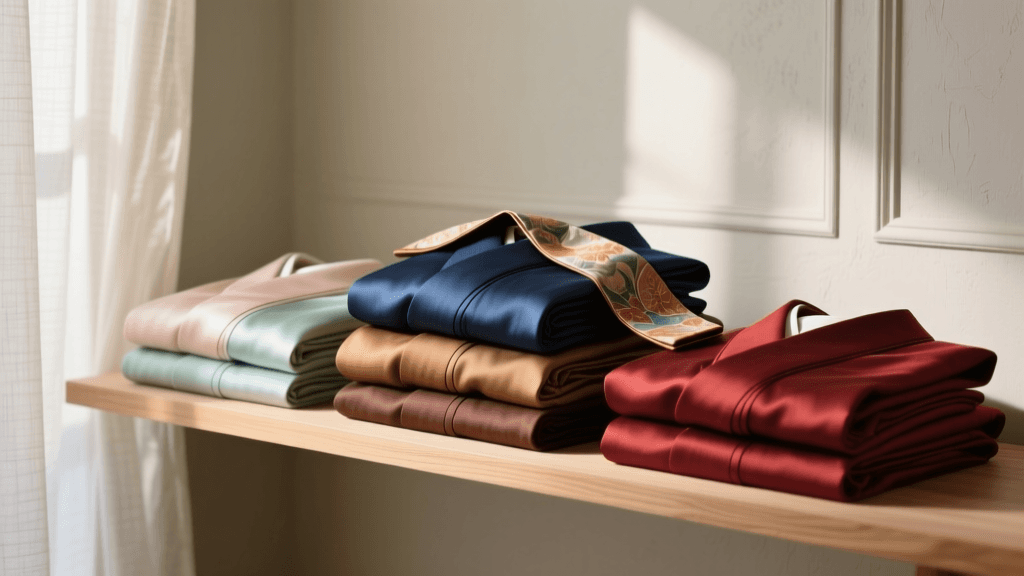
Traditional Japanese garments are stored flat, not on hangers. Hanging a heavy silk haori or a cotton yukata on a Western wire hanger will distort the shoulder seams and stretch the delicate fabrics. Instead, fold the garments along their natural seams into rectangular shapes and store them in a cool, dry place. For vintage silk haori, wrap them in acid-free tissue paper or unbleached cotton cloth to allow the fibers to breathe while protecting them from dust and moisture.
Conclusion
The yukata and haori represent the perfect intersection of historical craftsmanship and modern practicality. By understanding the correct measurements, investing in breathable natural fabrics, and learning how to integrate these pieces into a contemporary wardrobe, you can enjoy the elegance of Japanese traditional wear every day. Whether you are tying a cotton yukata for a sweltering August evening or draping a vintage silk haori over a winter turtleneck, these garments offer a timeless, sustainable, and deeply cultural approach to everyday fashion.