How To Style The Viral TikTok Mamianqun Hanfu Skirt
The Algorithmic Renaissance of the Horse-Face Skirt
The intersection of ancient Chinese sartorial traditions and modern social media algorithms has birthed one of the most fascinating fashion phenomena of the decade: the viral explosion of the Mamianqun. Known in English as the 'horse-face skirt,' this traditional Ming Dynasty garment has transcended niche historical reenactment circles to become a staple of global streetwear, driven by the 'Xin Zhongshi' (New Chinese Style) movement. What began as a subculture on Douyin (the Chinese version of TikTok) has now flooded Western TikTok feeds, with creators pairing centuries-old pleated skirts with modern corsets, leather jackets, and chunky sneakers.
The catalyst for this global crossover was twofold. First, the broader Hanfu movement, which Reuters reported has evolved into a multi-billion dollar industry driven by Gen Z cultural pride. Second, a highly publicized 2022 controversy involving a major French luxury house allegedly copying the Mamianqun's distinct structural design. This sparked a massive wave of cultural reclamation on Douyin and TikTok, where creators began posting 'outfit of the day' (OOTD) videos and historical breakdowns to assert the garment's Chinese origins. According to Wikipedia's historical archives on the Mamianqun, the skirt's origins date back to the Song and Ming dynasties, prized for its elegant drape and functional pleating that allowed for ease of movement, even while horseback riding.
Anatomy of the Mamianqun: What Makes It Go Viral?
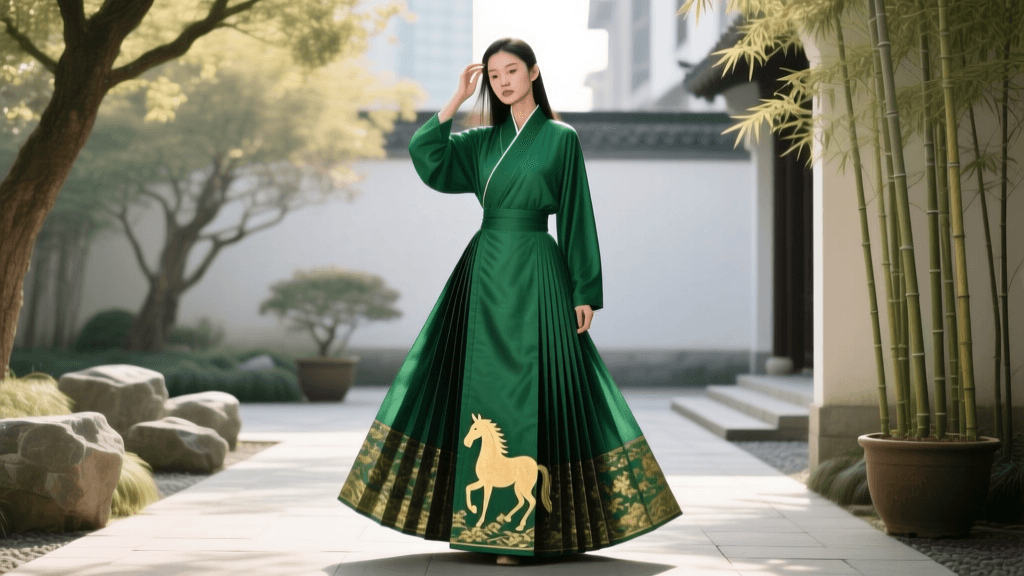
To understand why this skirt dominates TikTok transitions and Douyin street-style snaps, you must understand its unique architecture. Unlike a standard pleated skirt, the Mamianqun is a wrap skirt composed of two overlapping panels of fabric.
- The 'Horse Face' (Mamian): The flat, unpleated front and back panels. These serve as a canvas for intricate woven brocades, embroidery, or metallic foiling, which catch the light beautifully on camera.
- The Pleats (Zhe): Located on the sides, these deep, structured knife pleats expand dynamically when the wearer walks, spins, or kicks—a favorite visual trope for TikTok slow-motion transitions.
- The Waistband (Yaolan): Traditionally made of contrasting cotton or silk, featuring long ties that wrap around the waist to secure the heavy garment without the need for zippers or buttons.
The Viral Tying Tutorial: Beating the 'Gap' Phenomenon
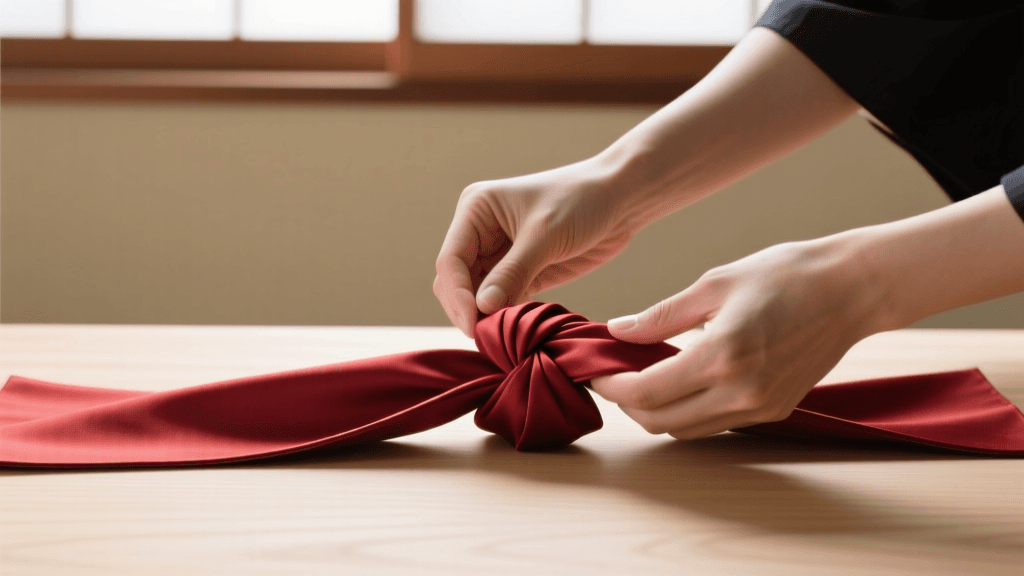
One of the most viral sub-genres of Hanfu content on TikTok is the 'How to Tie a Mamianqun' tutorial. Because it is a wrap skirt, improper tying leads to the dreaded 'front gap,' where the overlapping panels separate while walking, revealing the legs. Here is the foolproof, creator-approved method to secure your skirt:
- Align the Panels: Wrap the skirt around your waist, ensuring the flat 'horse face' panel is centered on your front. The inner tie should be on your left side.
- Secure the Inner Tie: Pass the inner tie through the small slit (the 'door') on the right side of the waistband, pulling it taut to your left hip.
- Wrap the Outer Tie: Take the outer tie from the right, wrap it all the way around your back to the left, and pull it tightly over the inner tie.
- The Double-Knot Lock: Tie both strings together in a tight double knot on your left hip, then tuck the excess fabric into the waistband or let it hang as a decorative sash.
Douyin vs. TikTok: Viral Styling Formulas
While the garment remains the same, the styling algorithms on Douyin and Western TikTok favor vastly different aesthetics. The 'Xin Zhongshi' (New Chinese Style) movement champions the blending of antiquity with modernity. Below is a breakdown of how the trend manifests across both platforms.
| Style Element | Douyin (Mainland China) | TikTok (Global/Western) |
|---|---|---|
| Core Aesthetic | Hyper-traditional, cinematic, elegant, 'Guochao' (national trend). | Streetwear fusion, Y2K crossover, dark academia, alternative fashion. |
| Popular Tops | Ming Dynasty Ao (lined jackets), silk blouses, modern tailored Qipao tops. | Underbust corsets, graphic baby tees, oversized leather bomber jackets, turtlenecks. |
| Footwear | Embroidered cloth shoes, traditional cloud-toe slippers, sleek heels. | Chunky platform boots, Doc Martens, New Balance sneakers, Mary Janes. |
| Viral Transition | Slow-motion fan flips, temple courtyard walks, tea ceremony aesthetics. | Quick 'snap' transitions, subway street-style walks, neon-lit night shoots. |
The Ultimate Buying Guide: Sizing, Costs, and Red Flags
Buying a Mamianqun requires a different approach to sizing than Western clothing. Because it is a wrap skirt, waist measurement is the only metric that matters; hip measurements are irrelevant due to the open, overlapping pleats.
The Golden Sizing Rule: To prevent the viral 'front gap' issue, the total flat width of the skirt must be at least 1.5 to 2 times your actual waist circumference. For example, if your waist is 70cm (27.5 inches), you need a skirt with a total fabric width of at least 140cm. Many cheap, mass-produced skirts on dropshipping sites skimp on fabric width to save money, resulting in a skirt that barely overlaps.
Cost Breakdown & Where to Buy:
- Entry-Level ($25 - $45): Found on AliExpress or via shopping agents like Superbuy and CSSBuy directly from Taobao. These are usually made of polyester jacquard. They are durable, machine-washable, and hold pleats well, making them perfect for daily streetwear.
- Mid-Range ($60 - $120): Authentic Taobao Hanfu brands (e.g., Shisanyu, Zhongling). These feature high-quality woven brocade (Zhijin) with metallic threads integrated into the fabric, rather than cheap surface printing.
- Luxury/Artisan ($200+): Silk blends, hand-woven mulberry silk, and real gold-leaf thread work. These are investment pieces meant for formal events and require professional dry cleaning.
Fabric Guide: Choosing the Right Drape
The viral appeal of the Mamianqun relies heavily on how the fabric reacts to movement. When shopping, pay close attention to the material composition listed by the vendor:
- Polyester Jacquard: The undisputed king of TikTok Hanfu. It is stiff enough to hold the sharp side pleats but fluid enough to swing during transitions. It is also wrinkle-resistant.
- Woven Brocade (Zhijin): Features raised, intricate patterns (often dragons, phoenixes, or floral motifs). It is heavier and provides a luxurious, structured silhouette, but can be warm in summer.
- Chiffon / Organza: Popular for summer 'fairy' aesthetics. However, lightweight fabrics struggle to hold the sharp Mamianqun pleats without constant steaming, making them less ideal for structured streetwear.
Garment Care: Maintaining the Pleats
The most common complaint among Western adopters of the Hanfu movement is the loss of pleat sharpness after washing. To maintain the architectural integrity of your skirt:
- Never machine wash on high spin. The centrifugal force will destroy the knife pleats. Hand wash in cold water or use a delicate cycle in a mesh laundry bag.
- Pleat Clips are Mandatory. Before the skirt is completely dry, lay it flat, fold the pleats back into their original creases, and secure them with metal pleat clips or binder clips.
- Steam, Don't Iron. Use a garment steamer over the clipped pleats to set the fabric. If you must use an iron, use a pressing cloth on a low heat setting to avoid melting synthetic brocade threads.
- Storage: Always hang your Mamianqun by the waistband using clip hangers. Folding the skirt will permanently crease the flat 'horse face' panels and distort the side pleats.
Conclusion
The virality of the Mamianqun on TikTok and Douyin is more than just a fleeting micro-trend; it is a testament to the adaptability and enduring beauty of traditional Chinese garments. By understanding the structural anatomy, mastering the wrap-tie technique, and blending historical textiles with modern wardrobe staples, you can authentically participate in the Xin Zhongshi movement. Whether you are staging a cinematic Douyin-style transition or pairing a woven brocade skirt with a vintage leather jacket for a night out, the horse-face skirt remains a powerful, elegant statement of cross-cultural fashion.