Master Kimono Wardrobe Organization and Seasonal Rotation
The Art of Kimono Wardrobe Organization
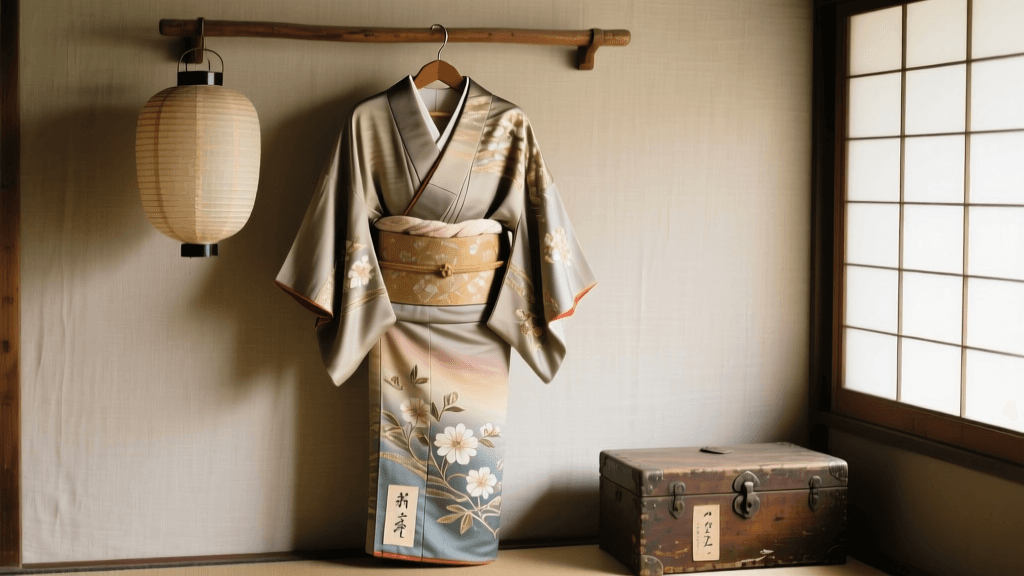
Owning a traditional Japanese kimono is not merely about possessing a beautiful garment; it is an ongoing commitment to textile preservation. Unlike Western clothing, which is often designed to be hung in a standard closet, traditional silk garments require specialized care, precise folding, and mindful environmental control. According to The Metropolitan Museum of Art's Heilbrunn Timeline, the kimono's structural evolution relies on an uncut, flat construction method. While this allows for intricate surface designs and versatile sizing, it also means that gravity and improper hanging can permanently distort the shoulder seams and stretch the delicate silk fibers.
To build a proper kimono wardrobe, collectors and enthusiasts must abandon the modern closet hanger and embrace traditional Japanese storage philosophies adapted for contemporary living. This guide covers the essential materials, folding techniques, and seasonal rotation schedules required to maintain a pristine kimono collection.
Essential Storage Materials
The foundation of kimono preservation lies in the materials that directly touch or surround the garment. Synthetic plastics and acidic cardboards are the enemies of protein-based silk fibers.
- Tatou-shi (Wrapping Paper): Every kimono must be wrapped in tatou-shi, a specially manufactured, acid-free, breathable paper. This paper protects the silk from dust, light, and sudden humidity shifts while allowing the fabric to breathe. A standard pack of five high-quality tatou-shi sheets costs between $15 and $25 USD.
- Kiribako (Paulownia Wood Boxes): For long-term storage, Paulownia wood boxes are the gold standard. Paulownia is naturally lightweight, resistant to warping, and possesses unique hygroscopic properties that help regulate internal humidity. Furthermore, the wood contains natural pest-repelling compounds. A standard kiribako measures approximately 85cm x 36cm x 12cm and ranges from $80 to $200 USD depending on the craftsmanship and joinery.
- Shounou (Natural Camphor): To deter silverfish and moths, place natural camphor blocks in the corners of your storage boxes. Avoid chemical mothballs containing paradichlorobenzene, as the fumes can react with metallic threads (surihaku) and synthetic blends, causing irreversible melting or discoloration.
The Art of Hon-Tatami Folding
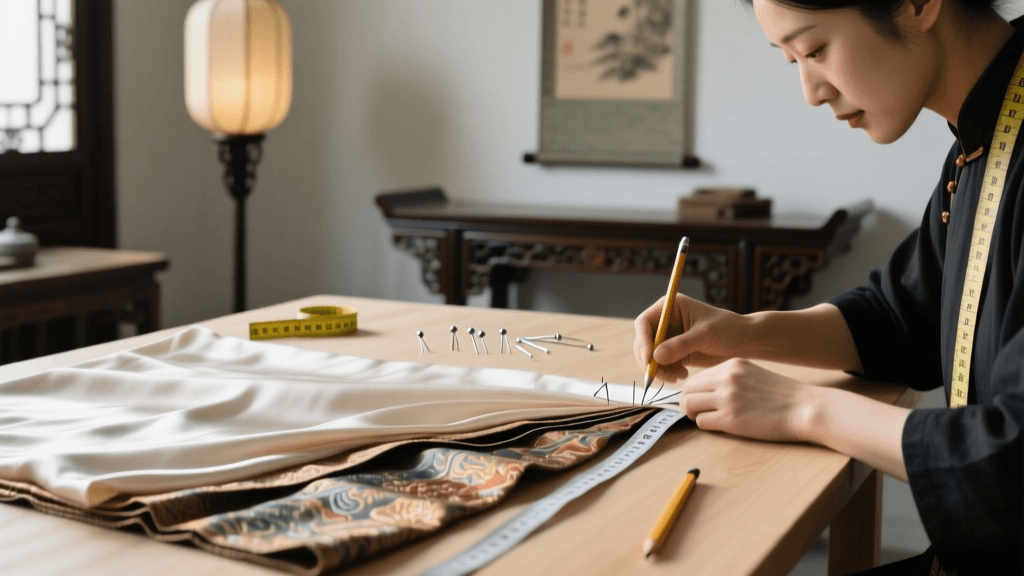
Because kimonos are constructed from straight bolts of fabric (tanmono), they are designed to be folded along their original seam lines. This method, known as hon-tatami, ensures that no hard creases are pressed into the middle of a woven panel, which could lead to fiber breakage over decades.
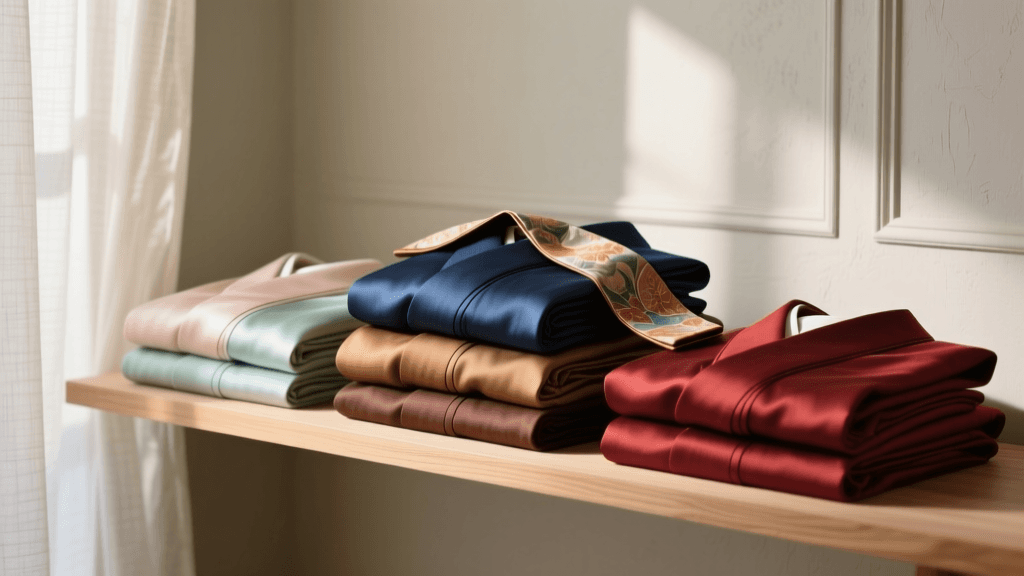
When executing the hon-tatami fold, the garment is laid flat on a clean surface. The sleeves are folded inward, and the body is folded along the back center seam and the side seams. The resulting rectangle should perfectly match the dimensions of your tatou-shi paper. Never fold the collar sharply; instead, leave a slight, natural curve at the neckband (eri) to prevent permanent creasing of the stiffener inside the collar.
Mastering Koromogae (Seasonal Rotation)
In Japan, the transition of seasons is marked not just by the weather, but by koromogae—the traditional changing of the wardrobe. Historically dictated by the lunar calendar and later standardized during the Meiji period, koromogae occurs twice a year: on June 1st (transitioning to summer wear) and October 1st (transitioning to winter wear). For the modern kimono collector, this is the perfect time to rotate garments, inspect for pests, and air out the silk.
'Koromogae is more than a practical chore; it is a mindful ritual that aligns the wearer with the natural rhythms of the environment, ensuring that the motifs, fabrics, and linings of the kimono reflect the precise moment in the changing seasons.'
Seasonal Rotation Schedule & Fabric Guide
Organizing your wardrobe by season ensures that you are always dressing appropriately while giving your off-season garments time to rest. Below is a structured guide to seasonal fabrics and their rotation timelines.
| Season / Transition | Garment Type | Fabric & Weave | Storage Action |
|---|---|---|---|
| Oct - May (Winter/Spring) | Awase (Lined Kimono) | Chirimen (Crepe), Tsumugi (Pongee), Rinzu (Satin) | Active Rotation |
| June & Sept (Transitional) | Hitoe (Unlined Kimono) | Ro (Leno weave), Sha (Gauze), Silk Chiffon | Active Rotation |
| July - August (High Summer) | Usugoromo / Yukata | Sheer Ro, Sha, Hemp, Cotton, Linen | Active Rotation |
| Formal Year-Round | Tomesode / Furisode | Heavy Silk Crepe with Yuzen Dyeing | Deep Storage (Aired Biannually) |
Climate Control and Mushi-Boshi
Silk is highly sensitive to environmental fluctuations. The Victoria and Albert Museum's conservation guidelines emphasize that weighted silks and historic textiles are particularly vulnerable to high humidity, which can cause the fibers to degrade, and low humidity, which makes them brittle. For a home kimono wardrobe, you must maintain a stable environment.
Ideal Environmental Parameters
- Temperature: Maintain a consistent temperature between 18°C and 20°C (65°F - 68°F). Avoid storing kimonos in attics or basements where temperatures swing drastically.
- Relative Humidity (RH): The ideal RH for silk is between 45% and 55%. Use a digital hygrometer inside your kiribako or wardrobe to monitor this. If humidity exceeds 60%, mold spores can activate within 48 hours.
- Light Exposure: UV light causes irreversible fading and fiber weakening. Always store kimonos in opaque boxes or dark closets.
The Mushi-Boshi (Airing Out) Ritual
Mushi-boshi translates to 'insect airing' and is the biannual practice of removing kimonos from storage to air them out. This should be done on a dry, breezy day in late autumn and late spring—ideally aligning with your koromogae schedule.
- Remove the garments from their Paulownia boxes and unwrap the tatou-shi.
- Drape the kimonos over specialized kimono hangers (emono-kake) in a shaded, well-ventilated room. Never air kimonos in direct sunlight.
- Leave them to breathe for 2 to 4 hours. This allows trapped moisture to evaporate and resets the silk fibers.
- While the garments are airing, wipe the inside of your storage boxes with a dry cloth and leave the empty boxes open to air out as well.
Cost Guide for Professional Maintenance
Even with impeccable home storage, kimonos require periodic professional maintenance. Sweat, body oils, and invisible stains can oxidize over time, turning yellow or brown and eating through the silk. Budgeting for professional care is a vital part of kimono ownership.
| Service | Description | Estimated Cost (USD) | Frequency |
|---|---|---|---|
| Maru-arai | Full garment dry cleaning using specialized solvents for silk. | $40 - $80 | Every 2-3 years or after heavy use |
| Shimi-nuki | Targeted stain removal by a master spot-cleaner. | $20 - $50 per stain | As needed (immediately after staining) |
| Yunoshi / Pressing | Professional steaming and pressing to remove deep creases. | $30 - $60 | After Mushi-boshi if creased |
| Toi-naoshi | Complete un-stitching, washing, re-stretching, and re-sewing. | $150 - $300+ | Once a decade for heirlooms |
Conclusion: A Mindful Practice
Organizing a kimono wardrobe and adhering to the rhythm of koromogae is a deeply rewarding practice that connects the modern wearer to centuries of Japanese textile tradition. By investing in proper Paulownia storage, mastering the hon-tatami fold, and maintaining strict climate control, you ensure that these masterpieces of Asian sartorial heritage remain vibrant and structurally sound for generations to come. Treat your kimono not just as clothing, but as a living piece of art that requires your stewardship and respect.