DIY Hanfu: Sewing and Fabric Guide for the Mamianqun Skirt
The Renaissance of the Mamianqun in Modern DIY Fashion
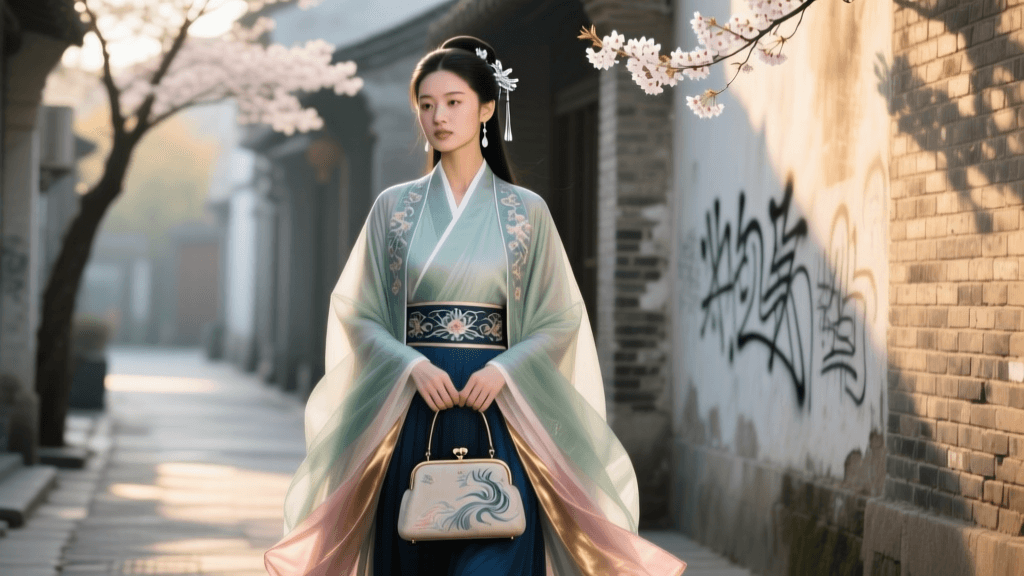
The global Hanfu revival has transformed traditional Chinese clothing from historical artifacts into vibrant, everyday fashion. Among the most iconic and highly sought-after garments in this movement is the Mamianqun, commonly known as the horse-face skirt. Originating in the Song Dynasty and reaching the pinnacle of its popularity during the Ming Dynasty, the Mamianqun is celebrated for its elegant silhouette, dynamic movement, and intricate pleating. For sewing enthusiasts and cultural preservationists alike, creating a Mamianqun from scratch is a deeply rewarding project that bridges the gap between historical textile arts and modern garment construction.
According to The Metropolitan Museum of Art's Heilbrunn Timeline of Art History, the evolution of Chinese dress reflects a complex interplay of social status, dynastic changes, and textile innovations. The Ming Dynasty, in particular, saw a codification of dress where the Mamianqun became a staple for women across various social strata, distinguished by its flat front and back panels flanked by meticulously folded side pleats. Understanding this historical context is crucial for any DIY sewist aiming to honor the garment's traditional proportions while adapting it for contemporary wear.
Anatomy of the Horse-Face Skirt
Before cutting into your precious yardage, it is essential to understand the structural anatomy of the Mamianqun. Unlike Western gathered or circular skirts, the horse-face skirt is constructed from two identical rectangular panels of fabric that overlap. The key components include:
- Guangmian (Flat Panels): The smooth, unpleated sections at the center front and center back. These panels often serve as a canvas for elaborate embroidery or woven motifs.
- Zhe (Pleats): The knife pleats located on the sides of the skirt, which provide the garment's signature volume and allow for ease of movement.
- Yaotou (Waistband): A wide, sturdy band, traditionally made of white cotton or linen, that secures the skirt to the body and provides structural support to the heavy pleats.
- Qunmen (Skirt Door): The overlapping section where the two main panels meet, ensuring modesty and creating a seamless visual line down the center.
Fabric Selection: Balancing Drape, History, and Practicality
Choosing the right fabric is arguably the most critical decision in the DIY Hanfu process. The Mamianqun requires a material that can hold a sharp pleat while maintaining a fluid, graceful drape in motion. As noted in Encyclopædia Britannica's comprehensive guide on Silk, traditional Chinese silk textiles were prized not only for their luster but for their unique tensile strength and ability to take on complex weaves and dyes. While historical accuracy might demand pure silk brocade, modern sewists have a variety of options depending on their budget, skill level, and intended use for the garment.
| Fabric Type | Drape & Pleat Retention | Sewing Difficulty | Estimated Cost (per yard) | Best Use Case |
|---|---|---|---|---|
| Silk Brocade / Jacquard | Excellent drape, holds sharp pleats beautifully | High (slippery, frays easily) | $20 - $45 | Authentic historical replicas, formal events |
| Polyester Jacquard | Good drape, exceptional pleat retention with heat | Medium (stable weave) | $8 - $15 | Everyday Hanfu, beginners, durable travel wear |
| Cotton-Linen Blend | Stiffer drape, requires heavy pressing for pleats | Low (easy to handle and press) | $10 - $18 | Summer wear, casual styling, structured silhouettes |
| Silk Charmeuse | Extremely fluid, poor pleat retention without fusing | Very High (requires advanced finishing) | $25 - $50 | Luxury evening wear, modern fusion Hanfu |
Pro Tip for DIY Sewists: If you are working with slippery silk or lightweight polyester, consider using a temporary fabric stabilizer spray or basting the pleats by hand before running them through your sewing machine. This prevents the layers from shifting and ruining the symmetry of the 'Zhe'.
Tools of the Trade
To achieve professional, historically resonant results, your sewing kit must be equipped for heavy pressing and precise measuring. Gather the following tools before beginning:
- Heavy Steam Iron: Essential for setting deep knife pleats.
- Tailor's Wooden Clapper: A vital tool for trapping steam in the fabric, ensuring pleats remain razor-sharp as they cool.
- Pressing Cloth: To protect delicate jacquard or silk fibers from scorching and shine marks.
- Bulldog Clips or Wonder Clips: To secure thick layers of pleated fabric without leaving pinholes.
- Clear Quilting Ruler and Fabric Chalk: For drafting exact pleat measurements.
Drafting the Pattern and Calculating Pleat Math
The Mamianqun is essentially a masterclass in geometric fabric manipulation. There is no traditional paper pattern; instead, the skirt is drafted directly onto the fabric using mathematical calculations based on your body measurements. Here is a standard formula for a floor-length Mamianqun:
1. Determine Your Measurements
- Waist Circumference (W): Measure where you intend the skirt to sit (typically the natural waist or slightly higher).
- Skirt Length (L): Measure from the waist to the floor, subtracting 1 inch for hem clearance.
2. Calculate the Flat Panels (Guangmian)
Each flat panel should be roughly half of your waist measurement, plus an allowance for the overlap (Qunmen). For a 70cm waist, each flat panel will be about 35cm wide. Because there are two main fabric panels that wrap around the body, you will have a total of four flat panel sections (two on the front, two on the back, overlapping).
3. Calculate the Pleat Allowance
A traditional Mamianqun uses between 4 to 6 knife pleats on each side of the flat panels. A standard pleat depth is 4cm to 6cm. If you choose 5cm pleats and want 5 pleats per side, you will need 25cm of fabric per side for pleating. Multiply this by the total number of pleated sections to find your total fabric width requirement. Most modern Mamianqun skirts require between 3 to 4 meters of fabric width (assuming a standard 45-inch or 60-inch fabric bolt) to accommodate the luxurious volume.
Step-by-Step Construction Guide
Step 1: Cutting and Hemming
Cut your main fabric into two large rectangles based on your total width and length calculations. Before doing any pleating, you must finish the bottom hem. A traditional Mamianqun features a very narrow, clean hem. Use a rolled hem foot on your sewing machine or fold the edge twice by 1/4 inch and stitch. Press the hem flat. Hemming first ensures that the bottom edges of your pleats align perfectly later.
Step 2: Marking the Pleats
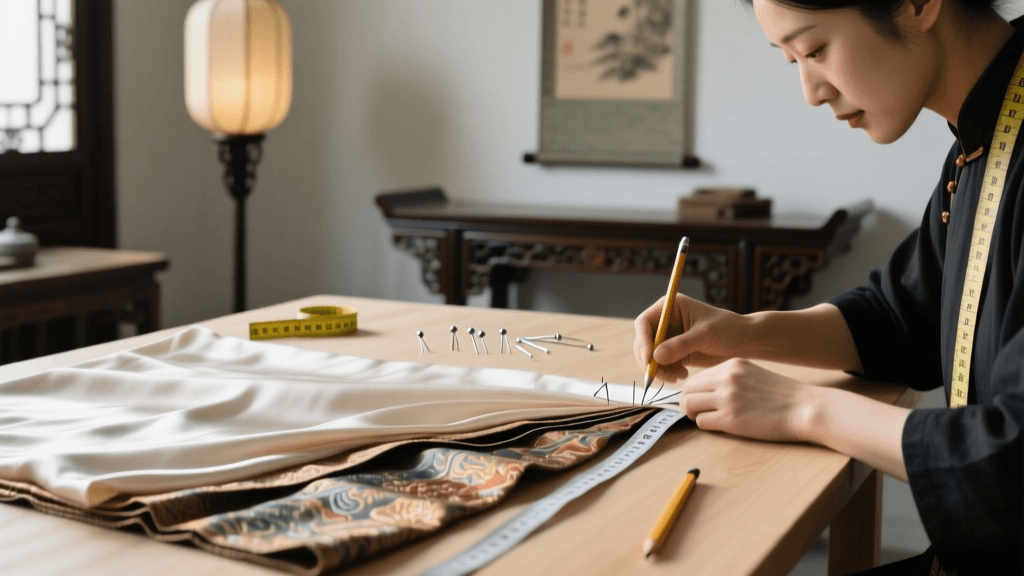
Lay your fabric flat on a large table. Using your clear ruler and fabric chalk, mark the boundaries of the flat panels and the individual pleats. Accuracy here is non-negotiable; a discrepancy of just 2 millimeters per pleat will result in a twisted, asymmetrical skirt. Mark the fold lines and the placement lines clearly with different colored chalks.
Step 3: Folding and Setting the Pleats
Fold the fabric along your marked lines to create the knife pleats, ensuring all pleats on a single side face the same direction (towards the side seam). Secure the top edge with clips. Lay the skirt on your ironing board, cover with a damp pressing cloth, and apply heavy steam. Immediately follow with the wooden tailor's clapper, pressing down firmly and holding it in place for 10-15 seconds until the fabric cools. This heat-and-cool cycle sets the pleats permanently, especially in synthetic or blended jacquards.
Step 4: Basting and Topstitching
Once the pleats are set and cooled, run a line of machine basting stitches across the top raw edge (about 1/4 inch from the edge) to lock the pleats in place. For added security and a historical touch, you can topstitch vertically down the first inch of the pleats from the waistline, anchoring them so they do not flip open awkwardly when sitting.
Step 5: Attaching the Yaotou (Waistband)
Cut a piece of sturdy white cotton or linen for the waistband. The width should be about 4 to 5 inches (which will fold down to a 2-inch finished band), and the length should be your waist measurement plus 15 inches for tying. Pin the right side of the waistband to the wrong side of the skirt's top edge, easing in any slight fullness. Stitch securely, fold the waistband over to the right side, encasing the raw edges, and slip-stitch or edge-stitch it closed. Attach long, thick silk ties to the ends of the waistband for traditional closure.
Common Mistakes to Avoid
When tackling a DIY Hanfu project, beginners often fall into a few common traps. First, neglecting the grainline. The flat panels must be cut strictly on the straight grain to prevent the skirt from warping or twisting around the legs. Second, underestimating the pressing time. Setting pleats on a Mamianqun can take several hours of meticulous ironing; rushing this step will yield a puffy, unstructured skirt that lacks the elegant, columnar drape characteristic of Ming Dynasty styling. Finally, using a flimsy waistband material will cause the heavy pleated fabric to drag the skirt down, leading to an uncomfortable fit and a distorted silhouette.
Conclusion
Sewing your own Mamianqun is a profound way to engage with Asian traditions, transforming historical study into a tangible, wearable art form. By carefully selecting your textiles, respecting the geometric precision of the pleats, and employing rigorous pressing techniques, you can create a garment that honors the legacy of Chinese dressmaking. Whether you are styling it with a traditional cross-collar Ru top for a cultural festival or pairing it with a modern blouse for contemporary street fashion, a handmade horse-face skirt is a testament to the enduring beauty and adaptability of the Hanfu movement.