Screen to Street: How Chinese TV Dramas Shape Hanfu Fashion
The 'Drama Effect' on Traditional Chinese Clothing
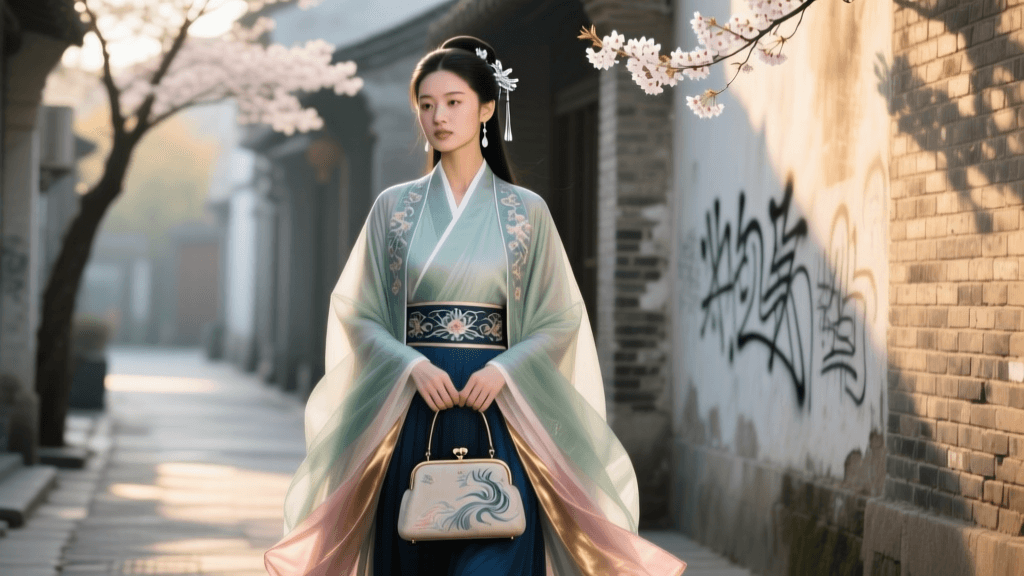
Over the past decade, the global explosion of Chinese television dramas has done much more than entertain audiences; it has single-handedly catalyzed a multi-billion dollar fashion renaissance. As historical epics and Xianxia (immortal hero) fantasies dominate streaming platforms, viewers are increasingly inspired to bring the magic of the screen into their daily wardrobes. This phenomenon, often referred to as the 'Drama Effect,' has transformed traditional Hanfu from a niche historical hobby into a mainstream fashion movement. According to industry analyses tracking the multi-billion dollar Hanfu industry, television and film costumes are the primary drivers for new consumer purchases, with fans eager to replicate the elegance of their favorite on-screen characters.
However, translating cinematic costumes into wearable, everyday fashion requires a nuanced understanding of historical accuracy, fabric choices, and modern styling. While the global Hanfu movement champions historical authenticity, TV dramas often take creative liberties, blending elements from different dynasties or introducing fantasy fabrics for visual impact. This guide will help you navigate the intersection of screen fantasy and historical reality, providing actionable advice on how to source, size, and style drama-inspired Hanfu for real-world wear.
Iconic TV Dramas and Their Hanfu Signatures
1. The Untamed (Chen Qing Ling) - Wei & Jin Elegance
Based on the novel Mo Dao Zu Shi, this drama popularized the flowing, wide-sleeved silhouettes inspired by the Wei and Jin dynasties (220–420 AD). The contrasting wardrobes of the lead characters—Wei Wuxian’s dark, unstructured robes and Lan Wangji’s pristine, layered white and blue garments—sparked a massive trend for 'Wuxia' (martial arts) inspired Hanfu.
- Key Garments: Jiaoling Youren (cross-collar, right-lapel top) paired with wide-leg trousers and a wrap skirt.
- Screen vs. Reality: The drama uses heavy, stiff synthetic brocades to hold shape under studio lights. For daily wear, opt for washed cotton, linen, or lightweight rayon to achieve the same billowing effect without the suffocating weight.
- Sourcing Keywords: 'Wei Wuxian Hanfu', 'Lan Wangji Jiaofu', 'Wei Jin Feng (Wei Jin Style)'.
- Estimated Cost: $45 – $85 USD for a complete daily-wear set.
2. The Story of Minglan - Song Dynasty Minimalism
Acclaimed for its meticulous costume design by Chen Tongxun, this drama showcased the understated, intellectual elegance of the Song Dynasty (960–1279 AD). The slender silhouettes, muted earth tones, and delicate pearl embroidery seen on screen have made Song-style Hanfu the most popular choice for modern office wear and casual outings.
- Key Garments: Beizi (a long, open-front coat with side slits) worn over a slim pleated skirt (Baidi Qun) and a narrow-sleeved inner top.
- Screen vs. Reality: The show features exquisite hand-embroidered silks. To replicate this affordably, look for Jacquard-woven fabrics or subtle tone-on-tone embroidery.
- Sourcing Keywords: 'Song Dynasty Beizi', 'Song Hanfu daily', 'Baidi skirt'.
- Estimated Cost: $35 – $70 USD.
3. Love Between Fairy and Devil - Xianxia Fantasy
Xianxia dramas prioritize ethereal beauty over historical accuracy. Characters are draped in layers of gradient chiffon, sheer organza, and massive trailing sleeves (Daxiushan) that defy gravity. While stunning on screen, these garments require careful adaptation for real-world events like cosplay, festivals, or themed photography.
- Key Garments: Daxiushan (large-sleeve outer shirt) over a Qixiong Ruqun (chest-high wrap skirt).
- Screen vs. Reality: Screen costumes often use wire in the hems and collars to create impossible shapes. For real life, choose high-quality polyester chiffon or mulberry silk georgette that drapes naturally with the wind.
- Sourcing Keywords: 'Xianxia Hanfu', 'Fairy dress Hanfu', 'Gradient Daxiushan'.
- Estimated Cost: $60 – $130 USD (due to high fabric yardage).
Comparison Chart: Fantasy Screen Costumes vs. Historical Hanfu
When shopping, it is crucial to understand the difference between what is designed for a camera lens and what is designed for human movement. The Victoria and Albert Museum's extensive archives on Chinese dress highlight the structural realities of historical garments, which often differ vastly from their cinematic counterparts.
| Feature | Screen Xianxia/Fantasy | Historical Drama (Ming/Song) | Authentic Traditional Hanfu |
|---|---|---|---|
| Silhouette | Exaggerated, gravity-defying, trailing floors | Structured, layered, tailored to character status | Follows strict dynasty-specific proportions and cuts |
| Fabrics | Organza, stiff tulle, metallic synthetics | Brocade, heavy silks, cotton-linen blends | Mulberry silk, ramie, linen, jacquard weaves |
| Closures | Hidden zippers, velcro, snaps for quick changes | Mostly ties, occasional hidden modern closures | Strictly fabric ties and knot buttons (no zippers) |
| Wearability | Low (requires styling, pins, and careful movement) | Medium (heavy but functional) | High (designed for historical daily life and labor) |
Practical Sourcing and Sizing Guide for Drama-Inspired Hanfu
Navigating Taobao and Specialty Boutiques
To find the best drama-inspired pieces, international buyers often rely on Taobao, AliExpress, or dedicated English-facing Hanfu boutiques like April Hanfu, Newhanfu, and Shisanyu. When searching on Chinese platforms, use the drama's Chinese title alongside the word for Hanfu (汉服). For example, searching '知否汉服' (Story of Minglan Hanfu) will yield hundreds of screen-accurate replicas and historically inspired adaptations.
The Pre-Sale (Yushou) System
High-quality Hanfu brands rarely hold large inventories. Instead, they operate on a pre-sale model known as Yushou. Understanding this timeline is critical for planning your purchases for conventions or festivals:
- Deposit Phase (Dingjin): You pay a non-refundable deposit (usually 10-20% of the total cost) to secure your size and reserve the fabric.
- Production Wait: Manufacturing typically takes 30 to 45 days. Limited-edition drama collaborations can take up to 60 days.
- Final Payment (Weikuan): Once the garments are finished, you have a strict 3-to-7-day window to pay the remaining balance before the shop ships the order.
Crucial Measurements for a Screen-Accurate Fit
Unlike Western fashion, which relies on standard S/M/L sizing based on bust and hips, Hanfu sizing is primarily determined by height, weight, and arm span. Because traditional garments use flat-pattern cutting without darts, the fit is dictated by how the fabric wraps around the body and the length of the sleeves.
- Bust/Waist: Measure in centimeters. Wrap skirts (like the Mamianqun) require your waist measurement plus 10-15cm for the overlap to prevent the skirt from flying open in the wind.
- Sleeve Length: Measure from the base of your neck, over your shoulder, down to your wrist. Historical dramas often feature 'Hui Xiu' (return sleeves) that extend past the fingertips by 10-20cm to create an elegant drape. If you want the dramatic screen look, add 15cm to your standard arm measurement when consulting size charts.
- Skirt Length: Measure from your natural waist (or chest, for Qixiong styles) down to 2cm above the floor. Wearing Hanfu with screen-accurate 'cloud shoes' or hidden wedges will dictate your ideal skirt length.
Styling, Accessories, and Garment Care
Achieving the 'On-Screen' Hair and Accessories
A Hanfu outfit is incomplete without the accompanying hair accessories. Screen productions use custom-cast metal and genuine gemstones, but you can achieve a broadcast-quality look on a budget. Avoid cheap, shiny plastic accessories, as they immediately break the illusion. Instead, search for 'resin hair sticks' (树脂发簪) or 'velvet flowers' (绒花 - Ronghua), a traditional craft popularized by the drama Story of Yanxi Palace. A high-quality velvet flower hairpin costs between $15 and $30 and provides a luxurious, historically grounded texture that mimics screen costumes perfectly.
Garment Care for Delicate Drama Fabrics
Maintaining the ethereal look of your Hanfu requires specific care routines, especially for the delicate chiffons and jacquards used in Xianxia and Ming-dynasty replicas.
- Washing: Never machine wash Hanfu with metal clasps, delicate embroidery, or gradient dyes. Hand wash in cold water with a pH-neutral silk detergent.
- Drying: Do not wring out the fabric, as this destroys the structural integrity of the pleats in skirts like the Mamianqun. Gently press the water out with a towel and hang dry in the shade. Direct sunlight will fade the rich, screen-accurate dyes.
- Pleat Maintenance: For drama-style pleated skirts, use metal skirt clips (readily available on Amazon or Taobao) to hold the pleats in place while hanging. If the pleats begin to loosen, lightly mist the fabric with water and iron on a low-heat setting using a pressing cloth to reset the folds.
By understanding the translation from screen fantasy to historical reality, fans can build a wardrobe that honors both the cinematic magic of their favorite dramas and the rich, authentic traditions of Chinese textile history. Whether you are stepping into the misty mountains of a Xianxia fantasy or the refined courtyards of a Song dynasty epic, the right knowledge ensures your Hanfu journey is as flawless off-screen as it is on it.