Japanese Festival Costumes: Yukata and Happi for Matsuri
The Heartbeat of Matsuri: Understanding Festival Attire
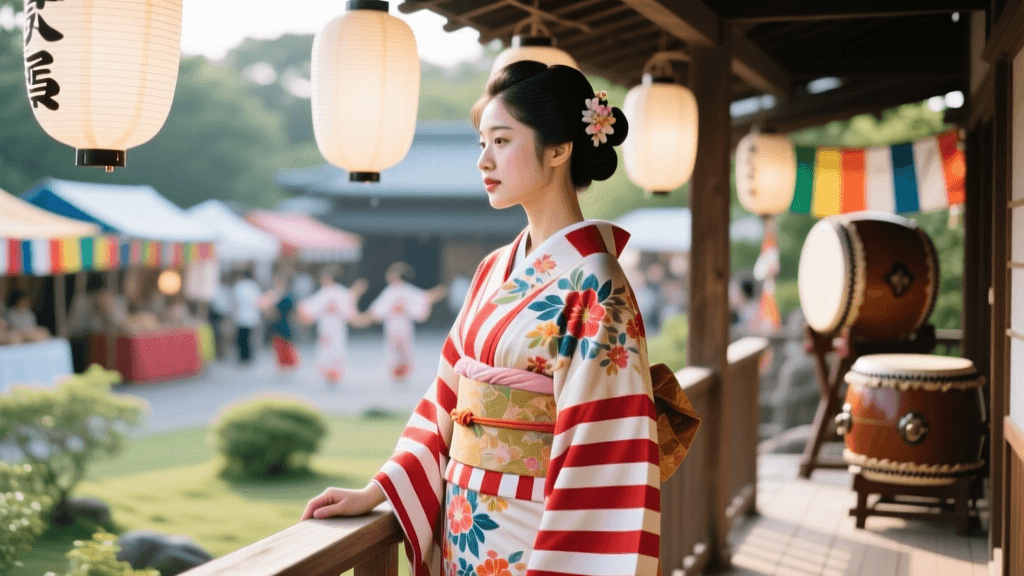
Summer in Japan is defined by the vibrant energy of matsuri (festivals) and the rhythmic movements of Bon Odori (ancestral dances). In these settings, traditional garments are not merely static cultural artifacts; they are kinetic instruments of performance. The sweeping sleeves of a yukata and the bold crests of a happi coat are engineered to amplify human movement, manage the sweltering summer heat, and project communal identity. For performers, dancers, and festival attendees, understanding the functional nuances of Japanese festival costumes is essential for both comfort and cultural authenticity.
The Yukata: Elegance and Mobility for Bon Odori
Originally popularized as a lightweight cotton bathrobe during the Edo period, the yukata has evolved into the premier garment for summer festivals and fireworks displays. Unlike the multi-layered, heavy silk kimono, the yukata is unlined and typically made of breathable cotton (men) or modern cotton-polyester blends (kousen). For festival performances, particularly the communal circle dances of Bon Odori, the yukata’s design offers crucial advantages.
The garment features miyatsukuchi—open slits on the sides of the torso beneath the sleeves. In a performance context, these slits provide essential ventilation, allowing air to circulate against the skin during vigorous dancing. Furthermore, the sode (sleeves) of a standard yukata are designed to create elegant, sweeping visual lines when the dancer raises their arms, a hallmark of dances like the Gujo Odori or the Awa Odori.
Sizing and Measurements for Dance
When selecting a yukata for active festival participation, standard sizing rules must be adapted for mobility. A traditional yukata is sized by its mitake (back length), which is typically calculated as the wearer's total height minus 20 centimeters. This extra length allows for the ohashori, the waist fold that adjusts the hemline.
However, for dynamic performances involving suriashi (sliding steps) or elevated wooden clogs, a slightly shorter hem is highly recommended. Aim for a mitake that is your height minus 25 centimeters. This ensures the hem rests just above the ankle bone, preventing the fabric from catching underfoot during rapid dance transitions. According to the Kyoto City Tourism Association, proper hem adjustment is critical not just for aesthetics, but for safety when navigating crowded festival grounds and wooden stages.
The Happi Coat: The Pulse of the Parade
While the yukata is the uniform of the dancer and the spectator, the happi coat is the battle armor of the festival worker. Worn primarily by mikoshi (portable shrine) bearers, taiko drummers, and parade organizers, the happi is a straight-cut, open-front jacket that prioritizes unrestricted upper-body movement. Traditionally dyed in deep indigo with bold white mon (crests) representing local neighborhoods or guilds, the happi is a symbol of civic pride and physical endurance.
The construction of the happi is deliberately robust. Many high-quality happi coats feature sashiko (decorative reinforcement stitching) along the shoulders and back to withstand the immense friction and weight of carrying a mikoshi, which can weigh upwards of a ton. The sleeves are relatively short and wide, ensuring that when a drummer raises their bachi (drumsticks) or a shrine bearer lifts their load, the fabric does not restrict shoulder rotation or obscure the performer's vision.
Performance Garment Comparison
| Feature | Yukata | Happi Coat |
|---|---|---|
| Primary Role | Dancing, attending, socializing | Shrine carrying, drumming, labor |
| Mobility Focus | Leg movement, sweeping arm lines | Full shoulder rotation, heavy lifting |
| Fastening | Obi (belt) and koshihimo (ties) | Front himo (thin ties) or worn open |
| Average Cost (USD) | $40 - $150 (Full set) | $30 - $80 (Coat only) |
Essential Accessories: Footwear and Headwear
A festival costume is incomplete—and functionally compromised—without the correct accessories. Footwear dictates the rhythm of the performance. The traditional choice is the geta, a wooden clog elevated by two or three ha (teeth). For Bon Odori dancers, the clacking sound of the geta against the wooden stage acts as a percussive metronome. When purchasing geta for performance, pay strict attention to the hanao (the fabric thongs). The tsubo (the toe post) should sit approximately one centimeter back from the very edge of the wood. If the foot overhangs, the dancer will inevitably step on the back of the clog during sliding movements, leading to blisters and instability.
Headwear is equally vital for managing the intense Japanese summer heat. The tenugui, a versatile 90-centimeter cotton towel, is frequently tied around the head in the hachimaki style. This serves a dual purpose: it absorbs sweat before it can ruin the garment's collar, and it keeps hair securely out of the performer's eyes. For dancers performing the Awa Odori, women often wear the amigasa, a woven straw hat that obscures the face and adds an air of mystery and uniformity to the dance troupe.
Dressing for Performance: A Practical Checklist
Securing a yukata for hours of dancing requires specific undergarments and tying techniques that differ from formal kimono dressing. Follow this actionable checklist to ensure your costume remains intact through the final dance:
- Susoyoke (Slip): Wear a lightweight cotton or seersucker slip. It prevents the yukata fabric from clinging to sweaty legs and provides opacity under festival lantern light.
- Koshihimo (Waist Ties): Use at least two soft cotton ties. Avoid silk or synthetic ties, which can slip when damp with perspiration.
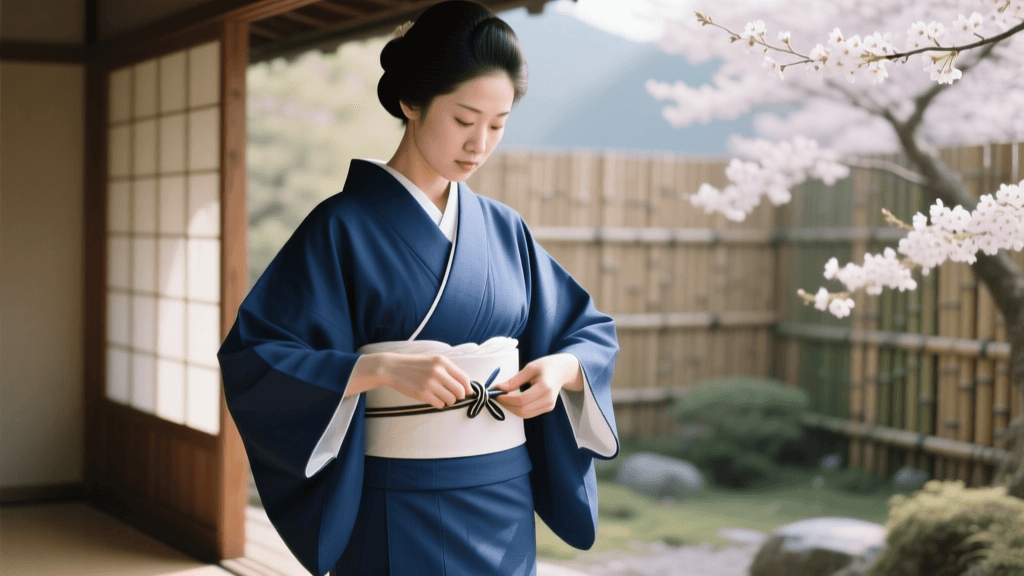
- Datejime (Wide Belt): A mesh or elastic datejime secures the ohashori fold flat against the body, preventing it from ballooning during vigorous movement.
- Hanhaba Obi (Half-Width Belt): This is the standard festival obi. It is easier to tie and less restrictive than a formal Nagoya obi.
- Bunko Musubi (Knot): The standard bow knot. For performers, ensure the knot is tied slightly higher on the back to prevent it from resting on a chair or bench when taking breaks, which can crush the bow and loosen the entire garment.
Sourcing, Budgeting, and Timing
Timing your purchase is critical for securing high-quality performance garments. In Japan, retail shops begin stocking summer festival collections in early April. By late June, popular sizes and region-specific patterns (such as the iconic indigo and white geometric prints favored in Tokyo) are frequently sold out. If you are sourcing garments internationally, allocate a budget of $80 to $150 for a complete, performance-ready yukata set (including the garment, obi, and basic ties). Authentic, festival-grade happi coats imported directly from Japanese artisans can range from $60 to over $120, depending on the complexity of the sashiko stitching and the dyeing process.
'The kimono and its lighter summer counterpart, the yukata, are deeply intertwined with the Japanese concept of seasons and communal celebration. In the context of the festival, the garment transcends mere clothing, becoming a canvas for regional identity and shared joy.' — Victoria and Albert Museum, Kimono Archive
Whether you are preparing to hoist a mikoshi through the streets of Asakusa or join the concentric circles of a rural Bon Odori, respecting the functional design of the yukata and happi will profoundly enhance your experience. By prioritizing correct measurements, breathable fabrics, and secure tying methods, you ensure that your attire supports the performance rather than hindering it, allowing you to fully immerse yourself in the living, breathing tradition of the Japanese matsuri. For further reading on the broader context of these garments, the Japan National Tourism Organization offers extensive guides on seasonal cultural practices and festival etiquette.