Hanfu for Special Occasions: Weddings, Graduations & Festivals
The Hanfu Renaissance: Dressing for Modern Milestones
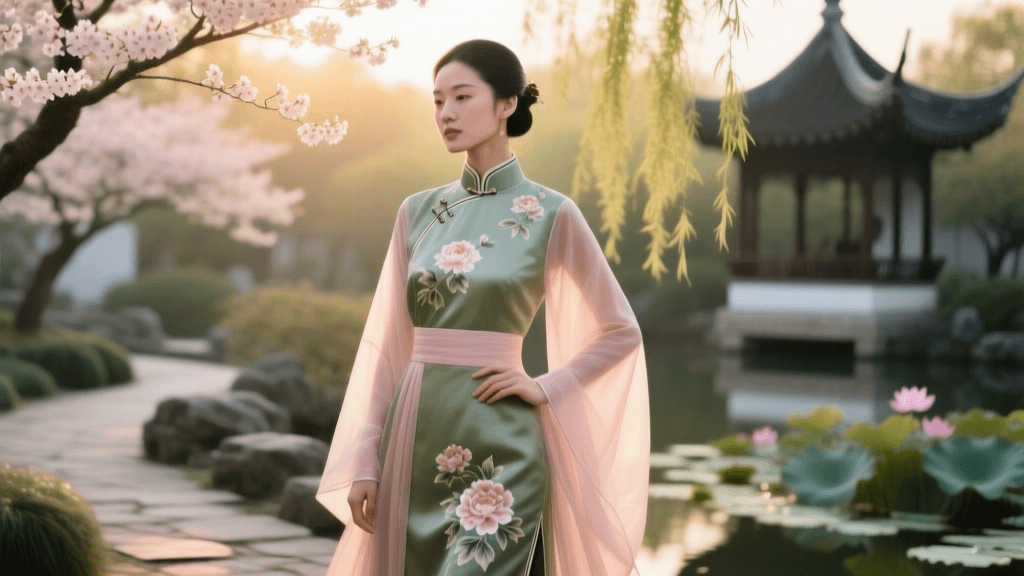
The cultural renaissance of traditional Chinese clothing, known as the Hanfu movement, has transformed how millions of people celebrate life's most significant milestones. No longer confined to historical dramas or museum exhibits, Hanfu is now a vibrant, living wardrobe choice for weddings, university graduations, and major cultural festivals. According to a comprehensive market analysis reported by Reuters, the Hanfu industry has exploded into a multi-billion-dollar market, driven by younger generations seeking to reconnect with their heritage. As noted by the South China Morning Post, this revival is deeply intertwined with modern identity, allowing wearers to weave ancient aesthetics into contemporary life.
However, dressing in traditional Han clothing for a special occasion requires more than just purchasing a beautiful garment. It demands an understanding of historical context, proper layering techniques, and practical considerations regarding fabric weight, tailoring timelines, and weather appropriateness. This comprehensive guide will walk you through selecting, styling, and wearing Hanfu for weddings, graduations, and festivals, ensuring you look authentic and feel comfortable on your big day.
Hanfu for Traditional Chinese Weddings
For many couples, a traditional Hanfu wedding is the ultimate expression of romance and cultural pride. While Tang and Song dynasty styles are occasionally used, the Ming Dynasty (1368–1644) remains the undisputed gold standard for traditional Chinese nuptials due to its highly codified, regal, and deeply symbolic wedding attire.
The Ming Dynasty Wedding Ensemble
The quintessential Ming bridal look centers around the Fengguan Xiapei (Phoenix Crown and Cloud Shoulder). The bride typically wears a heavily embroidered, long-sleeved Ao (lined jacket) paired with a voluminous Qun (skirt), often featuring the iconic Mamianqun (horse-face skirt) with its structured, overlapping pleats. Over the shoulders rests the Xiapei, a V-shaped embroidered sash weighted at the bottom with jade or gold pendants to ensure the silk drapes perfectly straight against the body.
- The Phoenix Crown (Fengguan): Historically adorned with kingfisher feathers (diancui), modern brides often opt for ethical, handcrafted silk-thread or enamel alternatives. These crowns can weigh between 1 to 3 kilograms, requiring careful hair preparation and structural support.
- The Groom's Attire: Grooms typically wear a Daopao (scholar's robe) or a Yisan (a robe with a pleated skirt and tighter sleeves), often in deep crimson, navy, or black, paired with a traditional scholar's hat (Wusha Mao or Futou).
Practical Buying and Tailoring Advice
Authentic Ming wedding garments are heavy. A complete bridal set, including the lined silk brocade jacket, skirt, and cloud shoulder, can weigh up to 5 kilograms (11 lbs). Custom tailoring is highly recommended to ensure the shoulder seams and sleeve lengths (tongxiu) align perfectly with your proportions. Expect to pay between $800 and $3,000 USD for a high-quality, custom-embroidered silk brocade set from specialized boutiques on platforms like Taobao or independent international Hanfu designers. Lead time: Order at least 4 to 6 months before your wedding date to account for hand-embroidery and multiple fitting adjustments.
Graduation Ceremony Hanfu: Scholarly Elegance
Walking across the stage to receive a university diploma is a milestone that calls for dignity, intellect, and grace. For graduations, the Song Dynasty (960–1279) and Ming Dynasty scholarly styles are the most appropriate, reflecting the historical reverence for education and the civil service examinations in ancient China.
Styling for the Stage
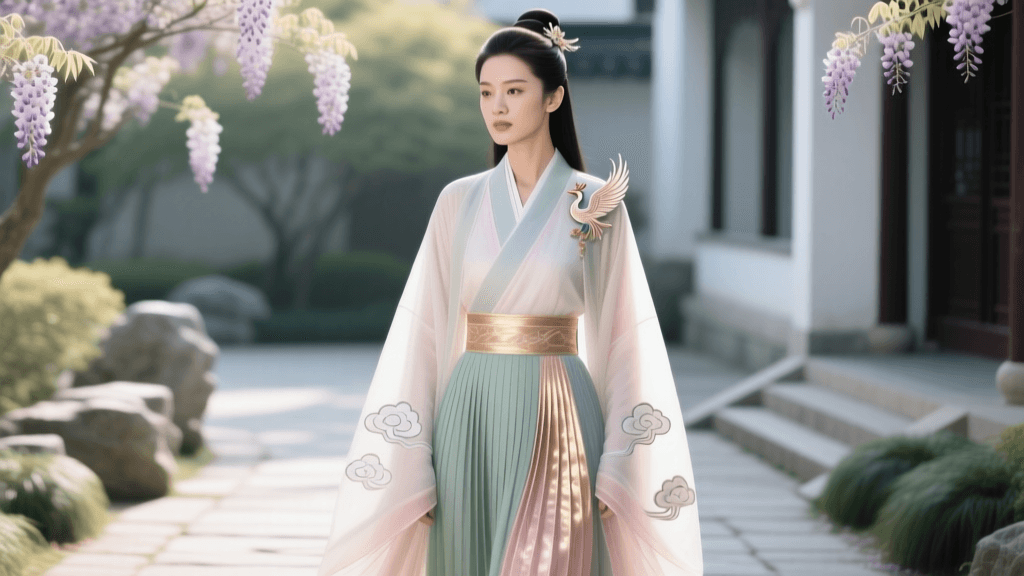
The Song Dynasty Beizi—a long, open-front coat with side slits—is an excellent choice for summer graduations. Worn over a lightweight Ruqun (blouse and skirt), the Beizi creates a tall, slender silhouette that looks exceptionally elegant in photographs. Alternatively, a Ming Dynasty Mamianqun paired with a structured Pifeng (cape) or a tailored Changshan (long shirt) offers a more grounded, academic aesthetic.
Data from China Daily highlights that the Hanfu market has increasingly catered to daily and semi-formal wear, making it easier than ever to find graduation-appropriate pieces that balance historical accuracy with modern comfort. When selecting fabrics for a graduation ceremony, prioritize breathability. University auditoriums can be stifling, and the physical act of walking up stairs and sitting in folding chairs requires flexibility.
Practical Tips for Graduates
- Fabric Choice: Opt for cotton-linen blends, raw silk, or lightweight chiffon. Avoid heavy winter brocades or thick jacquards, which can cause overheating under stage lights.
- Sleeve Management: Traditional Hanfu often features Huihu Xiu (returning sleeves) that extend past the fingertips. For a graduation, choose Zhai Xiu (narrow sleeves) or use elegant silk arm bands to tie back wide sleeves, ensuring you can easily shake hands and hold your diploma without tripping over your cuffs.
- Cost Estimate: A high-quality, semi-formal graduation Hanfu set typically ranges from $100 to $300 USD.
Festival Wear: Lantern, Spring, and Mid-Autumn
Festivals are the perfect opportunity to embrace the more vibrant, romantic, and expressive sides of Hanfu. The Tang Dynasty (618–907) is renowned for its bold colors, sweeping silhouettes, and cosmopolitan influences, making it the ideal era for festive celebrations.
Tang Dynasty Qixiong Ruqun
For the Lantern Festival or Spring Festival, the Qixiong Ruqun (chest-high skirt) is a breathtaking choice. The skirt is tied high on the chest, just below the collarbone, creating an elongated, ethereal look. This is traditionally paired with a Pibo, a long, flowing silk ribbon draped over the arms and shoulders. The vibrant floral motifs, gold-leaf accents, and rich jewel tones (ruby reds, emerald greens, and sapphire blues) associated with Tang fashion are perfect for nighttime lantern photography and festive parades.
Winter Festival Considerations
If you are celebrating the Lunar New Year or the Winter Solstice, warmth is a primary concern. The Ming Dynasty Aoqun (lined jacket and skirt) is highly practical. Look for jackets lined with faux rabbit fur or thick cotton wadding. Accessories like the Womao (a traditional winter hood or wrapped shawl) and embroidered thermal underlayers (Zhongyi) allow you to maintain historical accuracy while braving cold outdoor temple fairs.
Comparison Chart: Hanfu by Occasion
To help you plan your wardrobe, here is a structured comparison of Hanfu styles tailored to specific life events and celebrations.
| Occasion | Recommended Dynasty | Key Garments | Est. Cost (USD) | Tailoring Lead Time |
|---|---|---|---|---|
| Wedding (Bride) | Ming Dynasty | Fengguan, Xiapei, Mang Ao, Mamianqun | $800 - $3,000+ | 4 - 6 Months |
| Wedding (Groom) | Ming Dynasty | Daopao or Yisan, Futou hat | $400 - $1,200 | 2 - 4 Months |
| Graduation | Song / Ming | Beizi, Ruqun, or Scholar's Pifeng | $100 - $300 | 2 - 4 Weeks |
| Spring Festival | Ming / Tang | Lined Aoqun, Fur-trimmed Doukou | $150 - $400 | 1 - 3 Months |
| Lantern Festival | Tang Dynasty | Qixiong Ruqun, Pibo (silk ribbon) | $80 - $250 | 1 - 2 Months |
Sizing, Buying, and Garment Care
Purchasing your first authentic Hanfu set can be daunting, especially when navigating traditional sizing metrics. Unlike Western clothing, which is cut to follow the curves of the body, traditional Hanfu is flat-cut. This means the garments are constructed from flat panels of fabric, relying on ties, belts, and wrapping to conform to the wearer's body.
Understanding Traditional Measurements
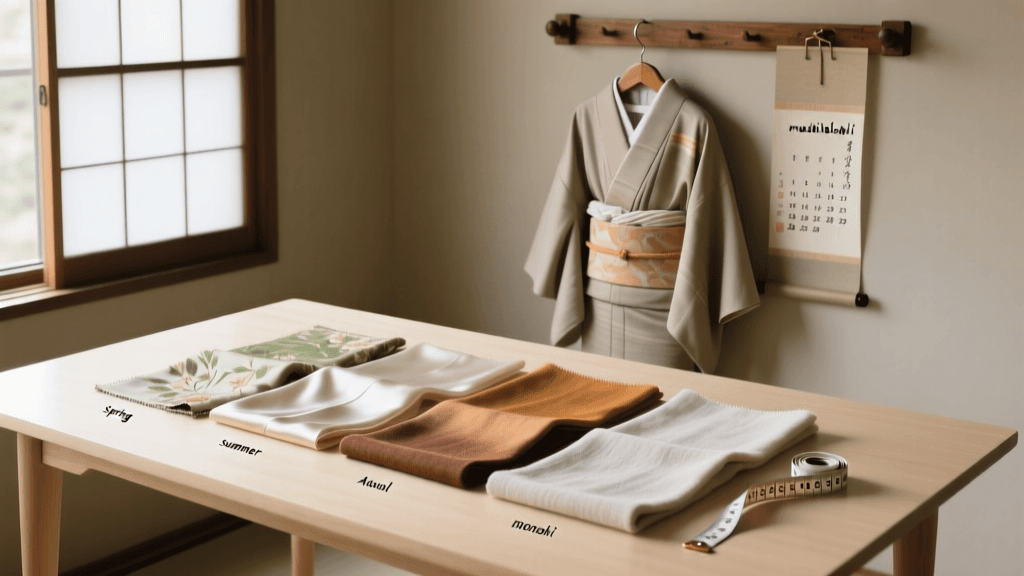
When ordering from specialized Hanfu makers, you will encounter the term Tongxiu (total sleeve span). This is measured from one wrist, across the back of the neck, to the other wrist. A standard Ming Dynasty jacket might have a Tongxiu of 200cm to 220cm, creating the elegant, pooling sleeve effect. Always provide the seller with your exact bust, waist, and arm-length measurements, and consult their specific size charts, as historical replicas do not use standard S/M/L sizing.
Garment Care and Storage
Proper care ensures your investment lasts for generations. Follow these essential care guidelines:
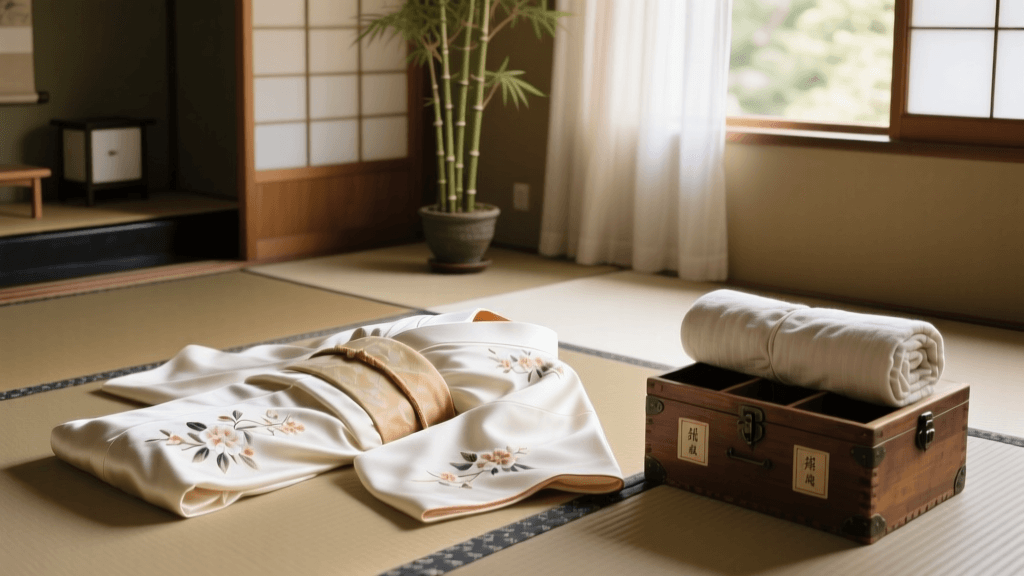
- Cleaning: Never machine-wash silk brocade or heavily embroidered garments. Dry clean wedding ensembles and spot-clean minor stains. For lightweight summer silks, hand-wash gently in cold water using a pH-neutral silk detergent.
- Drying: Never wring out Hanfu silk. Roll the garment in a clean, dry towel to absorb excess moisture, then lay it flat in the shade. Direct sunlight will fade natural silk dyes rapidly.
- Storage: Do not hang heavy Mamianqun (horse-face skirts) by their waistbands for long periods, as the weight of the pleated fabric will stretch the waist and distort the intricate pleat structure. Instead, fold them carefully along the pleat lines and store them flat in breathable cotton garment bags with cedar blocks to deter moths.
Wearing Hanfu is not merely about putting on old clothes; it is a profound dialogue with our ancestors and a reclamation of cultural identity. When you dress for a milestone in Hanfu, you are wrapping yourself in centuries of artistry, philosophy, and resilience.
Conclusion
Whether you are exchanging vows beneath a canopy of red silk, walking across a graduation stage, or lighting a paper lantern under the autumn moon, Hanfu offers a deeply meaningful way to mark life's most cherished moments. By understanding the historical context of different dynasties, respecting the traditional flat-cutting construction, and investing in quality fabrics, you ensure that your special occasion is not only visually stunning but culturally resonant. Embrace the elegance of the past, and let your traditional garments tell a story that will be remembered for generations to come.