How C-Drama Costumes Shape Modern Hanfu Fashion & Styling
The Cinematic Gateway to Traditional Chinese Garments
The global explosion of Chinese television dramas (C-dramas) on streaming platforms like Netflix, Viki, and YouTube has done more than just entertain international audiences; it has ignited a massive revival in traditional Chinese clothing. According to a report by BBC Culture, the modern Hanfu movement is heavily driven by younger generations seeking a tangible connection to their heritage, with historical and fantasy dramas serving as the primary visual catalyst. From the sweeping sleeves of immortal cultivators to the structured elegance of imperial courts, C-drama costume designers are inadvertently acting as the world's most influential Hanfu trendsetters.
For modern enthusiasts, translating these elaborate, screen-bound costumes into wearable, everyday fashion requires an understanding of historical silhouettes, fabric behaviors, and contemporary styling techniques. This guide breaks down the most popular C-drama genres, their signature garments, and actionable advice for integrating these cinematic styles into a modern wardrobe.
Decoding C-Drama Genres and Their Hanfu Counterparts
1. Xianxia (Immortal Fantasy): Ethereal Layers and Flowing Sleeves
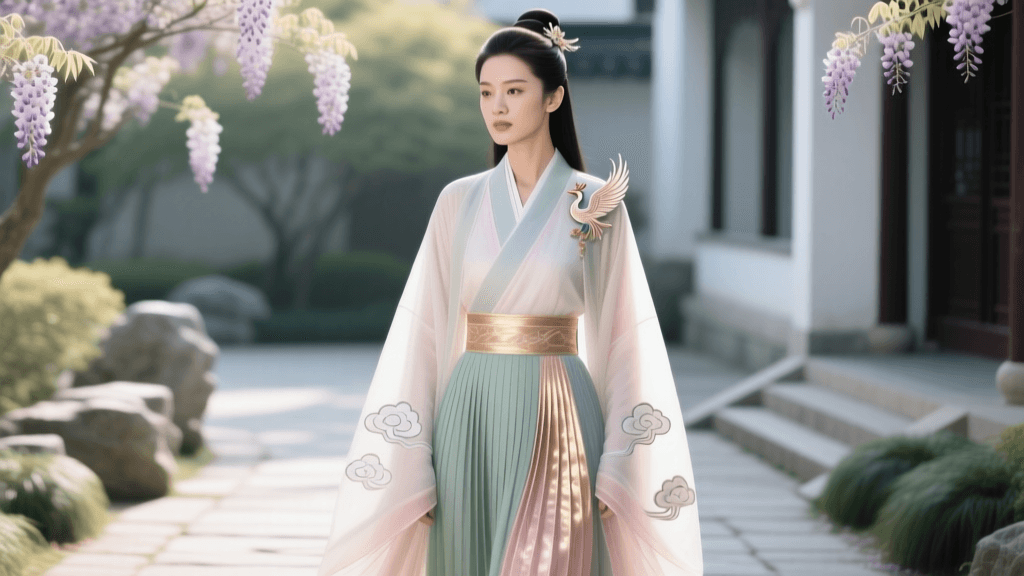
Xianxia dramas, such as Love Between Fairy and Devil and Ashes of Love, are defined by their celestial aesthetics. The costumes prioritize movement, utilizing lightweight fabrics that catch the wind during dramatic CGI-enhanced flight sequences. The signature garment here is the Qixiong Ruqun (chest-high skirt) paired with a Daxiushan (large-sleeved robe).
Modern Styling Advice: Screen-accurate Xianxia costumes often use heavy synthetic organzas that look beautiful on camera but are unbreathable in real life. For daily wear, opt for 'improved Hanfu' (改良汉服) made from natural cotton-linen blends or lightweight lyocell. A chest-high skirt in a solid, muted pastel paired with a modern camisole and a sheer, wide-sleeved linen duster captures the Xianxia essence without the tripping hazard of floor-dragging sleeves. Expect to spend between $40 and $80 for a quality two-piece daily set.
2. Wuxia (Martial Arts): Practical Elegance and Structured Layering
Wuxia focuses on martial artists and wandering swordsmen. The global phenomenon The Untamed (based on Mo Dao Zu Shi) showcased a more grounded, layered approach to traditional dress. Characters like Wei Wuxian and Lan Wangji popularized the Jiaoling Ruqun (cross-collared shirt and skirt) and the use of Bijia (sleeveless vests) and leather bracers.
Modern Styling Advice: Wuxia style is inherently gender-neutral and highly practical for autumn and winter. To recreate this look, start with a cross-collared inner shirt (Zhongyi) in white cotton. Layer a darker, textured cross-collared robe over it, and cinch the waist with a wide leather belt or a woven sash. Add leather wrist cuffs to mimic the screen-accurate bracers. This silhouette pairs exceptionally well with modern combat boots or leather loafers, bridging the gap between ancient martial arts and modern dark academia.
3. Historical Palace Dramas: Craftsmanship and the Ming Dynasty Revival
Palace dramas like Story of Yanxi Palace and The Longest Day in Chang'an have pushed audiences toward historical accuracy and an appreciation for intangible cultural heritage crafts. Story of Yanxi Palace, for instance, famously revived interest in Ronghua (velvet flower) hairpins and traditional embroidery techniques, as noted by Sixth Tone. However, the most significant real-world fashion export from historical dramas is the Ming Dynasty Mamianqun (horse-face skirt).
Modern Styling Advice: The Mamianqun has become the ultimate crossover piece in the 'New Chinese Style' (Xin Zhongshi) movement. Characterized by its flat front and back panels with pleated sides, it is incredibly versatile. For a modern office-appropriate look, pair a woven jacquard Mamianqun with a crisp white button-down shirt or a fitted black turtleneck. Tuck the top in to highlight the ornate waistband. As highlighted in a Reuters market report on the Hanfu revival, the Mamianqun market has exploded, with modern iterations featuring pockets and machine-washable polyesters catering specifically to urban commuters.
Screen to Street: C-Drama Hanfu Translation Guide
When shopping for garments inspired by your favorite shows, it is crucial to know which elements to keep and which to adapt. Below is a comparison chart to help you translate screen costumes into daily wear.
| Drama Genre | Historical Era / Setting | Key Screen Garment | Modern Adaptation Tip | Avg. Cost (USD) |
|---|---|---|---|---|
| Xianxia (Fantasy) | Mythological / Tang-inspired | Qixiong Ruqun (Chest-high skirt) | Use lyocell fabrics; pair with modern sandals; avoid trailing hems. | $45 - $90 |
| Wuxia (Martial Arts) | Song / Ming-inspired | Jiaoling Ruqun with Bracers | Layer with modern turtlenecks; use leather belts; wear with boots. | $60 - $120 |
| Palace (Historical) | Ming / Qing Dynasty | Mamianqun (Horse-face skirt) | Pair with modern blouses or blazers; opt for midi-length for commuting. | $35 - $150 |
| Court Romance | Tang Dynasty | Yuanlingpao (Round-collar robe) | Wear open like a duster coat over a modern dress and jeans. | $70 - $130 |
Practical Sizing and Shopping Guide
One of the biggest hurdles for international fans trying to replicate C-drama costumes is navigating Asian sizing and traditional garment measurements. Unlike Western clothing, Hanfu relies heavily on flat-pattern cutting and adjustable ties, but specific garments like the Mamianqun require precise measurements.
How to Measure for a Mamianqun
- Waist Measurement: Measure where you intend to wear the skirt (usually the natural waist or slightly above the navel). Add 2-4 cm to this measurement to account for the overlap of the flat panels. If your waist is 70 cm, look for a skirt waist of 72-74 cm.
- Skirt Length: The golden rule for Hanfu skirt length is Total Height - 45 cm for an ankle-grazing look (similar to palace drama costumes), or Total Height - 65 cm for a practical midi-length that won't get caught in escalators. For example, a person who is 165 cm tall should look for a 100 cm length for an ankle-skimming drape.
Search Keywords for Online Marketplaces
When shopping on platforms like Taobao, AliExpress, or specialized Hanfu boutiques, using the correct Chinese search terms will yield far better results than English translations.
- 日常汉服 (Daily Hanfu): Filters out the heavy, impractical ceremonial wear and focuses on modern, breathable adaptations.
- 马面裙 (Mamianqun): The essential term for the horse-face skirt.
- 仙侠风 (Xianxia Style): Brings up ethereal, fantasy-inspired pieces with wide sleeves and sheer overlays.
- 明制汉服 (Ming-style Hanfu): Yields structured, layered, and highly elegant garments perfect for autumn and winter styling.
Accessories: The Finishing Touches
No C-drama costume is complete without its accessories. However, elaborate metal crowns and three-foot-long hairpins are impractical for daily life. Instead, look to the subtle details that costume designers use to denote character status and personality.
Pro-Tip: In historical dramas, a character's transition from humble beginnings to nobility is often signaled not by a change in dress color, but by the introduction of jade and pearl accessories. Incorporating a simple jade pendant (玉佩) on a woven tassel at your waist instantly elevates a basic Hanfu set to screen-accurate elegance.
For hair, swap the heavy metallic Guan (crowns) for minimalist wooden or acrylic hair sticks (簪子). Velvet flowers (绒花), popularized by Story of Yanxi Palace, are now widely available online in smaller, clip-on formats that can be easily integrated into modern updos or half-up hairstyles, providing a direct, wearable link to the cinematic masterpieces that continue to inspire the global Hanfu community.