Japanese Matsuri Costumes: Styling Happi and Tabi for Festival Dance
The Heartbeat of Summer: Understanding Matsuri Dancewear
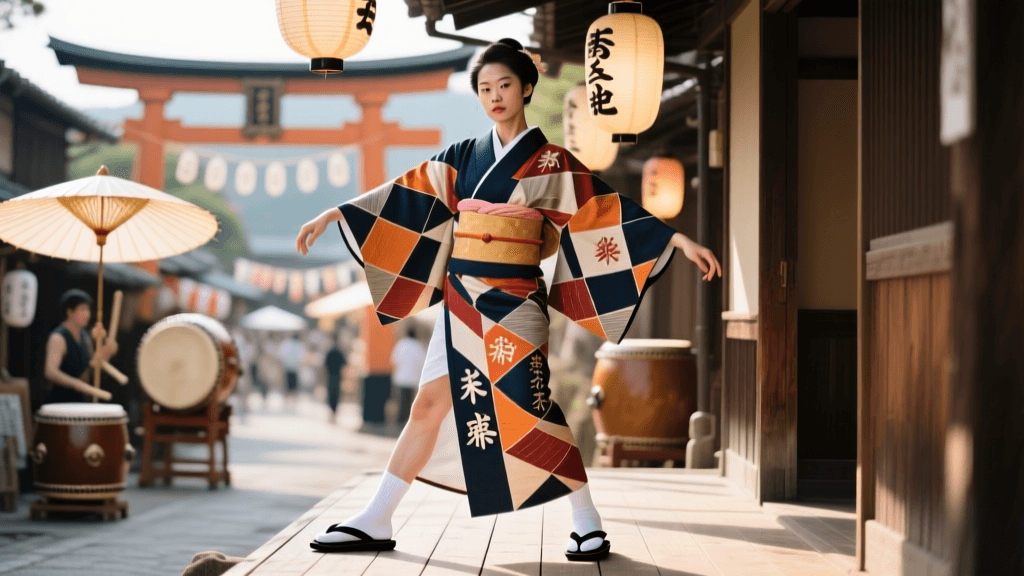
When the humid Japanese summer arrives, the air fills with the rhythmic chanting, the sharp crack of wooden clappers, and the booming resonance of taiko drums. Summer festivals, or matsuri, are the lifeblood of Japanese community culture. At the center of these vibrant celebrations are the dance troupes, known as ren, who perform dynamic routines like the Awa Odori and Bon Odori. While the music dictates the rhythm, it is the traditional festival clothing—specifically the happi coat and specialized footwear—that defines the visual spectacle and enables the performer's physical endurance.
According to the Japan National Tourism Organization (JNTO), summer matsuri are not merely spectator events; they are deeply participatory traditions where the uniformity and movement of the costume play a crucial role in honoring ancestral spirits and celebrating the harvest. For performers, selecting the right festival attire is a matter of balancing historical authenticity, troupe identity, and the biomechanical demands of hours of continuous dance.
The Anatomy of the Happi Coat
Originally worn by house servants, firefighters, and shopkeepers during the Edo period (1603–1867), the happi coat has evolved into the quintessential Japanese festival garment. Unlike the restrictive, tightly wrapped kimono, the happi is designed for labor and vigorous movement. It features a straight, unlined cut with wide, open sleeves and a lapel that is secured by a simple tie or a thin cotton belt (obi).
The back panel of a festival happi is its most defining feature. It typically displays the crest (mon) or the kanji of the specific neighborhood association, shrine, or dance troupe. As noted by The Metropolitan Museum of Art's Heilbrunn Timeline of Art History, the bold graphic nature of these crests served historically to identify group affiliation during chaotic festival parades and competitive performances. Today, when a ren of fifty dancers moves in unison, the synchronized flashing of these matching back crests creates a mesmerizing visual wave that is central to the matsuri aesthetic.
Practical Sizing and Measurements for Performers
Unlike Western clothing, happi coats are generally sized by length rather than chest width, as the straight cut accommodates a wide range of body types. For dance troupes, precise measurements are vital to ensure uniformity on stage and unrestricted mobility.
- Mitake (Back Length): For adult performers, the standard mitake ranges from 80cm to 85cm. The hem should fall just below the hips and above the mid-thigh. This specific length is critical for Bon Odori dances, as it allows for deep stances and high kicks without the fabric tangling around the knees.
- Yuki (Sleeve and Shoulder Drop): Festival happi utilize a drop-shoulder design. The sleeves are cut straight and wide (hirosode), typically measuring 75cm to 80cm from the center-back neck to the sleeve edge. This wide cut creates a dramatic, wing-like arc when dancers extend their arms overhead during routines like the Tanko Bushi (coal mining dance).
- Okumi (Lapel Width): The front overlapping panels should be wide enough to allow for a secure tie at the waist. Performers often use a separate, brightly colored sash or a thin happi obi to secure the coat tightly, preventing it from flying open during vigorous taiko drumming or leaping.
Footwear for Performance: Tabi and Jikatabi
The foundation of any matsuri dance performance lies in the footwear. While spectators might wear casual sandals, performers rely on tabi (split-toe socks) or jikatabi (split-toe work shoes with rubber soles). The split-toe design separates the big toe from the rest of the foot, providing superior balance, grip, and proprioception on varied surfaces, from wooden festival stages to asphalt streets.
For indoor stage performances or traditional shrine dances, white cotton tabi are worn, sometimes paired with lightweight zori (straw or foam sandals). However, for massive outdoor parades like the Tokushima Awa Odori, dancers frequently wear black or navy jikatabi. These shoes offer the ankle support and shock absorption necessary for dancing on hard pavement for hours. According to cultural guides on Nippon.com, the physical stamina required for major matsuri is akin to running a marathon, making supportive, traditional footwear a non-negotiable element of the performer's kit.
Comparing Festival Garments: Happi vs. Yukata vs. Jinbei
While the happi is the standard for high-energy parades and taiko performances, other garments are utilized depending on the specific type of festival dance and the performer's role. Below is a comparison chart to help troupe directors and participants select the appropriate attire.
| Garment | Mobility & Breathability | Typical Performance Use Case | Avg. Cost (USD) | Standard Footwear Pairing |
|---|---|---|---|---|
| Happi Coat | Very High (Open front, wide sleeves) | Taiko drumming, Awa Odori parades, Mikoshi (shrine) carrying | $30 - $150 | Jikatabi, Barefoot, Tabi |
| Yukata | Medium (Requires specific tying for movement) | Bon Odori circle dances, shrine stage performances | $40 - $120 | Geta (wooden clogs), Zori |
| Jinbei | High (Two-piece short set) | Casual neighborhood dances, children's troupes, spectators | $25 - $60 | Setta (leather sandals), Barefoot |
Note: When wearing a yukata for vigorous Bon Odori, performers often use a technique called 'karakuri' or tie the hem higher with an inner sash (koshihimo) to create a bustle effect, preventing the hem from dragging and tripping the dancer.
Sourcing, Customization, and Costs for Troupes
For dance troupes preparing for major summer events, sourcing costumes requires strategic planning and budgeting. The cost and lead time vary drastically depending on the materials and dyeing methods employed.
Off-the-Shelf vs. Custom Artisan Happi
- Standard Stock Happi ($30 - $50 USD): Usually made from a polyester-cotton blend or standard printed cotton. These feature generic festival motifs (like the kanji for 'festival' - 祭) and are available immediately. They are ideal for tourist participation, school groups, or newly formed troupes on a tight budget.
- Custom Dyed Cotton Happi ($120 - $250+ USD): Professional ren invest in custom happi made from heavy, breathable cotton using traditional resist-dyeing techniques like tsutsugaki (freehand rice-paste resist) or katazome (stencil dyeing). The troupe's unique crest is hand-painted or stenciled onto the back panel and lapels.
Timing and Ordering Advice
If your troupe requires custom indigo-dyed happi, you must place your order 3 to 5 months before the festival season (i.e., order in February or March for August festivals). Artisans in Kyoto, Tokyo, and regional dyeing hubs like Hamamatsu require time to create the custom stencils, mix the natural indigo or synthetic dyes, and hand-finish the garments. Furthermore, summer is the peak manufacturing season for textile artisans; late orders will almost certainly be rejected or delayed until autumn.
Care and Maintenance of Festival Dancewear
Festival clothing is subjected to extreme conditions: torrential summer sweat, dust, and occasional rain. Proper maintenance ensures the longevity of the garments, especially for expensive custom-dyed pieces.
- Washing: Never machine wash a custom indigo-dyed happi. The friction and modern detergents will strip the dye and cause severe bleeding. Hand wash in cold water using a mild, pH-neutral soap. For standard printed cotton happi, a gentle machine cycle in a mesh laundry bag is acceptable.
- Drying: Always air dry in the shade. Direct sunlight will rapidly fade the vibrant indigo and red dyes characteristic of matsuri attire. Smooth out the lapels and back panel while wet to minimize the need for ironing.
- Tabi Care: White cotton tabi stain easily from street dirt and stage grime. Pre-treat the soles with a specialized enzyme cleaner before washing. For jikatabi, wipe down the rubber soles and allow the cotton uppers to air out completely between performances to prevent mildew.
Conclusion
The garments worn during Japanese matsuri are far more than decorative costumes; they are highly engineered tools designed for endurance, unity, and cultural expression. Whether you are a solo traveler joining a neighborhood Bon Odori circle or a director outfitting a fifty-person Awa Odori ren, understanding the cut, fabric, and footwear of festival attire is essential. By respecting the measurements, investing in proper split-toe footwear, and planning ahead for custom artisan dyeing, performers can ensure their clothing honors the deep traditions of the matsuri while supporting the physical demands of the dance.
“When the ren moves as one, the happi ceases to be individual clothing. The sweeping sleeves and flashing crests become the wings and heartbeat of the community itself.”