Edo Period Kosode: History, Evolution, and Modern Buying Guide
The Shift from Heian Layers to Edo Elegance
When we think of traditional Japanese clothing, the modern kimono immediately comes to mind. However, the direct ancestor of today's kimono is the kosode, a garment that underwent a radical transformation during the Edo period (1603–1867). To understand Japanese historical fashion is to understand the kosode's journey from an undergarment to the ultimate canvas of Japanese cultural expression.
During the preceding Heian period (794–1185), the aristocracy favored the jūnihitoe, a complex, heavy ensemble of up to twelve layered silk robes. The kosode, meaning 'small sleeves,' was originally worn as a humble undergarment or as casual wear for commoners. However, as the samurai class rose to power and the lavish Heian court culture waned, the kosode emerged as the primary outer garment for all social classes by the Muromachi period (1336–1573).
According to the Victoria and Albert Museum, it was during the Edo period that the kosode truly evolved into the structured, highly decorated garment we recognize today. The Edo period, characterized by over two centuries of peace under the Tokugawa shogunate, allowed urban culture, arts, and textile technologies to flourish, turning the kosode into a symbol of identity, wealth, and aesthetic philosophy.
Sumptuary Laws and the Birth of 'Iki'
The Tokugawa shogunate strictly regulated society through a rigid class system. To maintain the visual hierarchy between the samurai class and the increasingly wealthy merchant class (chōnin), the government enacted strict sumptuary laws. These laws dictated who could wear certain colors, fabrics, and patterns. The Metropolitan Museum of Art notes that these restrictions inadvertently fueled incredible textile innovation.
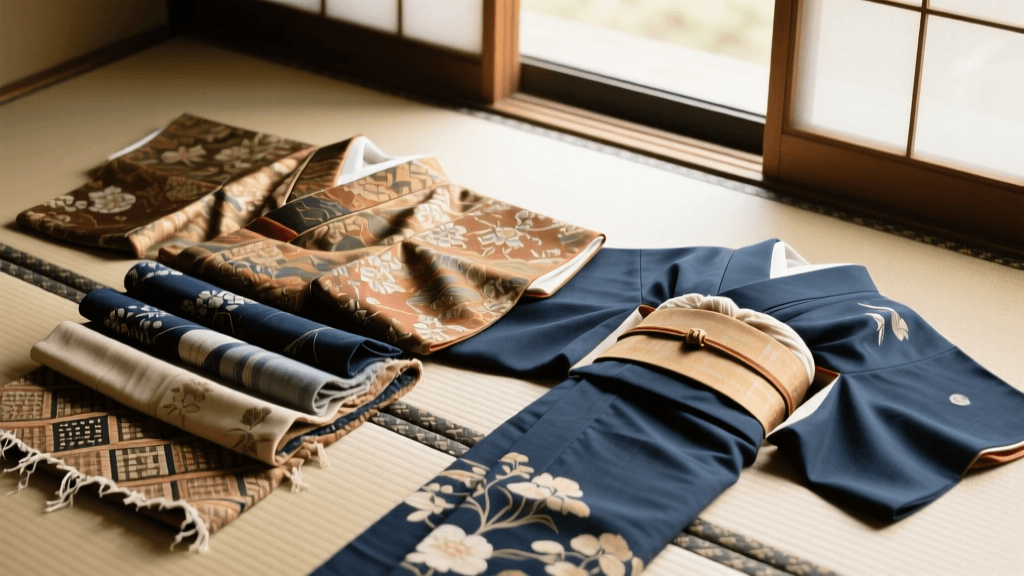
Forbidden from wearing flashy, ostentatious clothing on the outside, wealthy merchants developed the aesthetic of iki—a subtle, understated, and sophisticated elegance. They began lining their plain, dark outer kosode with the most luxurious, vibrant silks and intricate yuzen dye patterns. This practice, known as haura (lining decoration), allowed merchants to flaunt their wealth discreetly, adhering to the letter of the law while subverting its spirit.
Anatomy of the Edo Period Kosode
While the modern kimono and the Edo kosode share the same basic T-shaped silhouette, there are distinct structural differences that collectors and historical reenactors must note:
- Sleeve Attachment: Early Edo kosode sleeves were often attached directly to the body of the garment without the deep, open underarm vents (miyatsukuchi) seen in modern women's kimono.
- Sleeve Depth: The sleeve drop (sodedake) was generally shallower, typically measuring between 30cm and 40cm, compared to the deeper sleeves of later periods.
- Obi Width: In the early Edo period, the obi was a thin, braided cord or a narrow sash. By the late Edo period, the obi widened significantly, giving rise to the elaborate brocade maru obi and the complex tying styles that required the use of an obi-ita (stiffening board).
Data Table: Evolution of Garment Dimensions and Styling
| Historical Era | Primary Garment | Standard Panel Width | Obi Style & Width | Wearing Style |
|---|---|---|---|---|
| Heian (794–1185) | Jūnihitoe / Hitoe | ~40cm | N/A (Layered sashes) | Trailing, multiple layers |
| Muromachi (1336–1573) | Early Kosode | ~35cm | Narrow cord (~3cm) | Tied at the waist, trailing |
| Early Edo (1603–1750) | Kosode | ~35 - 36cm | Narrow sash (~10cm) | Folded at waist (hashiori) |
| Late Edo (1750–1867) | Kosode / Kimono | ~36 - 38cm | Wide brocade (~30cm) | Modern ohashori fold |
| Modern (1912–Present) | Kimono | ~38 - 40cm | Fukuro / Nagoya (~30cm) | Standardized ohashori |
Practical Guide: Sourcing and Buying Edo-Style Kosode Today
For collectors, historical costumers, and enthusiasts, acquiring an authentic Edo period kosode or a high-quality modern replica requires specific knowledge of markets, pricing, and textile identification.
Where to Buy Antique Kosode
Authentic Edo-period garments (often categorized as kodogu or antiques) are fragile but highly prized. The best places to source them include:
- Toji Temple Antique Market (Kyoto): Held on the 21st of every month. Actionable Tip: Arrive at 6:00 AM when the market opens. Dealers bring out their best textiles first. Look for stalls specializing in furugi (vintage clothing).
- Oedo Antique Market (Tokyo): Held at the Tokyo International Forum on the 1st and 3rd Sundays. Excellent for high-end silk kosode and late-Edo maru obi.
- Online Specialists: Websites like Ichiroya or specialized Yahoo! Auctions Japan sellers (using proxy services like Buyee) offer authenticated Edo garments.
Cost Expectations and Budgeting
Pricing varies wildly based on condition, material, and the presence of historical provenance.
- Cotton Kasuri / Indigo-Dyed (Late Edo): $150 – $400. These were commoner garments and are more durable, making them excellent for beginners.
- Silk Chirimen with Yuzen Dye: $800 – $2,500. Highly decorative, featuring the hidden luxury of the merchant class.
- Samurai / Court Kosode with Gold Leaf (Surihaku): $3,000 – $10,000+. Museum-quality pieces, often requiring climate-controlled storage.
Measurements and Sizing for Modern Wearers
One of the biggest challenges in wearing an Edo kosode today is the difference in human height and garment proportions. Edo kosode were made from standard bolt widths (tanmono) that were narrower than modern bolts.
- Panel Width: Expect antique Edo kosode to have a back panel width of about 30-32cm, making the total hip width around 60-64cm. This will only comfortably fit modern wearers with a hip measurement of under 90cm.
- Mitake (Length): Edo kosode were often made exceptionally long so they could be tied high and trail slightly, or folded deeply. A standard antique length might be 150cm-160cm. If you are taller than 165cm, you may need to wear the kosode without the modern ohashori (waist fold), tying it with a thin koshihimo (waist tie) and letting the hem rest at your ankles, mimicking the early Edo wearing style.
Styling: Tying the Edo-Style Bunko Obi
To authentically style a late-Edo kosode, avoid the modern, rigid taiko musubi (drum bow), which was popularized in the Meiji era. Instead, opt for the bunko (box bow) or a simple chuya obi wrap.
Step-by-Step Bunko Musubi:
- Use a vintage chuya obi (a reversible, two-sided obi popular in the Edo period, typically 25-28cm wide).
- Wrap the obi tightly around the waist, securing it with a silk shigoki or thin heko obi to add volume and a softer silhouette.
- Tie a firm square knot at the back.
- Fold the remaining fabric into a neat, horizontal accordion pleat, securing the center with an obi-jime (decorative cord).
- Tuck the ends underneath to create a clean, boxy silhouette that reflects the refined iki aesthetic.
When and Where to Wear Historical Garments
Wearing an authentic Edo kosode requires respect for the garment's fragility and historical context. These garments are best suited for specific, low-impact events:
- Jidai Matsuri (Festival of the Ages): Held in Kyoto on October 22nd. As noted by Japan Guide, this festival features a massive parade of historical costumes. It is the premier event for historical reenactors to showcase accurate Edo-period merchant and samurai kosode.
- Hinamatsuri (Doll Festival): On March 3rd, wearing a refined, floral-patterned Edo kosode to a traditional tea ceremony or doll exhibition is highly appropriate.
- Tea Ceremony (Chado): A subdued, indigo or dark silk kosode with a hidden haura lining is perfect for the quiet, contemplative atmosphere of a traditional tearoom.
By understanding the structural nuances, historical context, and styling techniques of the Edo period kosode, modern enthusiasts can do more than simply wear a piece of clothing—they can drape themselves in the living history of Japan's most transformative cultural era.