Recreating Iconic C-Drama Hanfu: Screen-Accurate Styling
The 'GuZhuang' Effect: From Screen to Street
Chinese historical and fantasy dramas (C-dramas) have become a global gateway into the rich world of traditional Asian garments. Shows like The Untamed, Nirvana in Fire, and Story of Yanxi Palace showcase breathtaking wardrobe departments that blend historical accuracy with modern cinematic flair. However, there is a distinct difference between authentic historical Hanfu and 'GuZhuang' (costume drama wear). GuZhuang often prioritizes visual drama, utilizing modern synthetic fabrics, hidden zippers, and exaggerated silhouettes that do not always translate well to real life.
As the Hanfu movement surges—driven heavily by social media and cinematic influences—enthusiasts are increasingly seeking 'screen-accurate' styling that remains practical for everyday wear. According to BBC Culture, the modern Hanfu revival is deeply intertwined with pop culture, allowing younger generations to reclaim their heritage through the lens of their favorite on-screen heroes. This guide will help you bridge the gap between cinematic fantasy and wearable reality, providing actionable advice on sourcing, sizing, and styling traditional Chinese garments inspired by iconic C-drama archetypes.
Deconstructing Three Iconic C-Drama Archetypes
To recreate a C-drama look, you must first understand the foundational garments that define the character's archetype. Here is how to adapt three popular screen styles for real-world wear.
1. The Wuxia Wanderer (Ming Dynasty Influences)
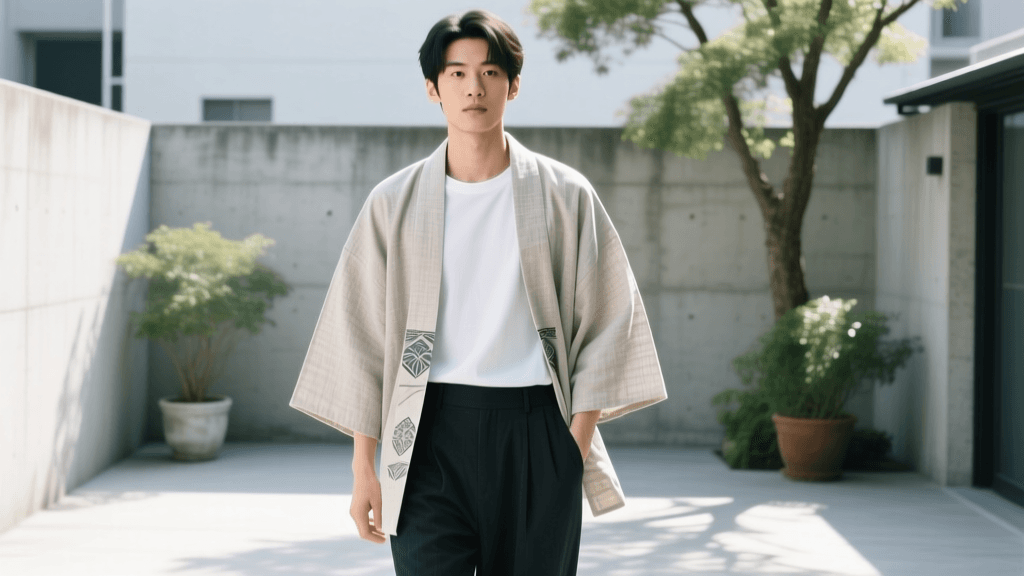
Characters in martial arts dramas (Wuxia) require mobility, resulting in sleek, layered looks. Think of Wei Wuxian in The Untamed or Mei Changsu in Nirvana in Fire. The core garment is often the Yuanlingpao (round-collar robe) or the Duanda (a practical, waist-length top and trouser set).
- Screen vs. Reality: On screen, these robes are often pinned tightly with hidden clips and made of heavy, non-breathable brocades. For reality, opt for cotton-linen blends or lightweight wool.
- Key Accessories: Leather bracers (Huan), a woven leather belt, and a minimalist jade pendant. Avoid the oversized, overly ornate metal buckles used in dramas, as they are heavy and historically inaccurate.
- Styling Tip: Layer a narrow-sleeved Zhongyi (inner garment) beneath your outer robe to protect the outer fabric from sweat, a practical necessity for all-day wear at conventions or photoshoots.
2. The Palace Noble (Qing & Tang Dynasty Fusions)
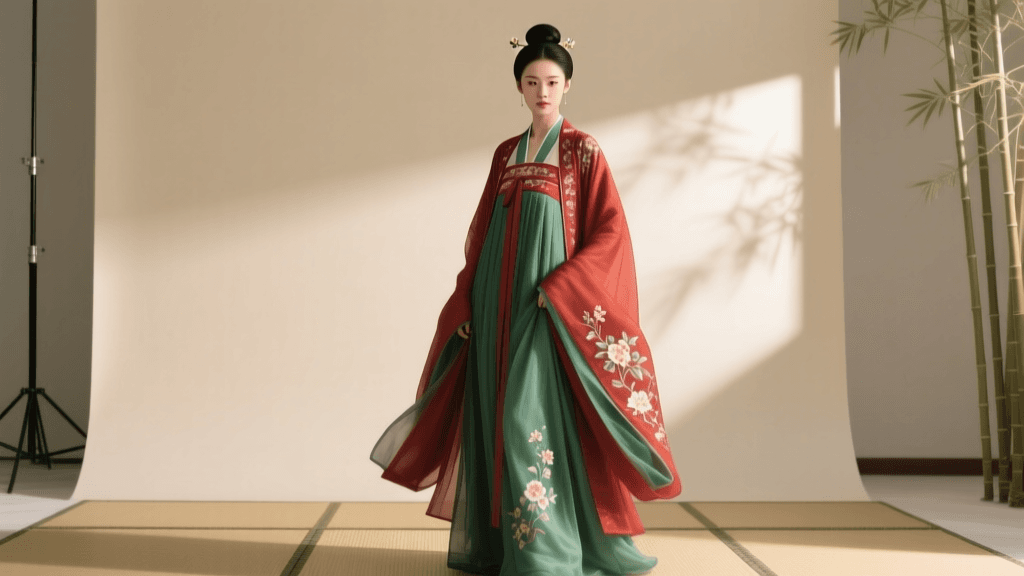
Palace dramas like Story of Yanxi Palace popularized the opulent aesthetics of the Qing Dynasty (Qizhuang), while Tang Dynasty dramas favor the voluminous Qixiong Ruqun (chest-high skirt). While Qing clothing is technically Manchu traditional dress rather than Hanfu, both heavily influence the 'traditional Chinese fashion' market.
- Screen vs. Reality: Screen costumes feature intricate, hand-embroidered silk that can cost thousands of dollars and weigh over 10 pounds. For daily wear, look for machine-embroidered jacquard Mamianqun (horse-face skirts) paired with a simple Beizi (long outer jacket).
- Key Accessories: The Yunjian (cloud collar) is a stunning, detachable accessory that instantly elevates a simple outfit to palace-drama levels of elegance without the heavy investment.
- Styling Tip: A Mamianqun is highly versatile. It can be worn with a traditional Hanfu top or, for a modern 'New Chinese Style' (Xin Zhongshi) look, paired with a tailored modern blouse or even a fitted turtleneck.
3. The Xianxia Immortal (Wei & Jin Dynasty Aesthetics)
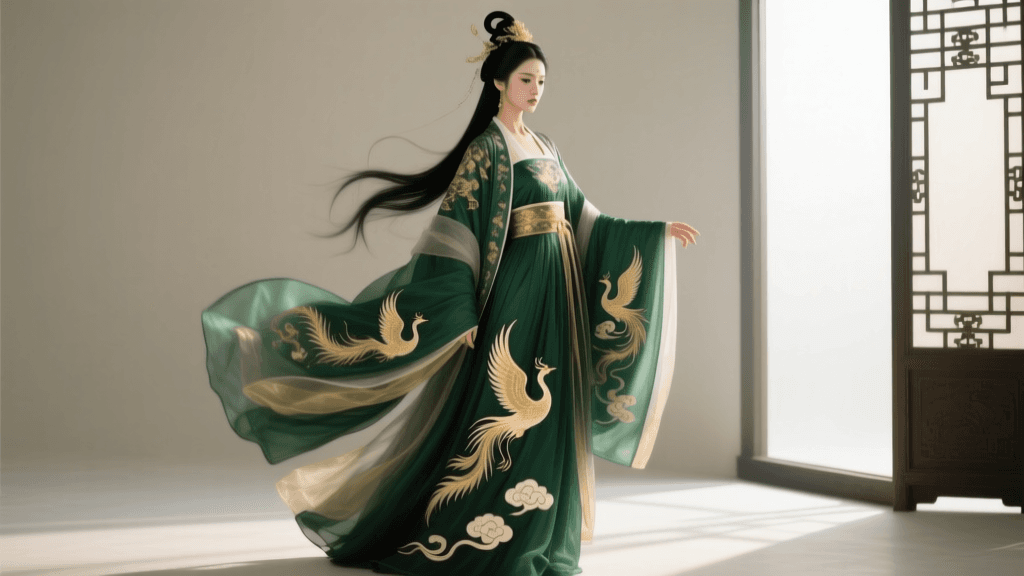
Fantasy dramas (Xianxia) feature immortals and deities draped in ethereal, flowing layers, heavily inspired by the Wei and Jin dynasties. The defining garment is the Daxiushan (large-sleeved robe), characterized by massive, sweeping sleeves and sheer overlays.
- Screen vs. Reality: Dramas use industrial fans and fishing line to make fabrics float. In reality, dragging sleeves on the ground will ruin the silk and pose a tripping hazard.
- Key Accessories: A delicate Guan (hair crown) or a simple jade hairpin. Keep makeup minimal and dewy to emulate the 'immortal' aesthetic.
- Styling Tip: To manage the massive sleeves, learn the traditional 'ribbon tie' method, or purchase a Daxiushan with built-in discreet wrist loops (a common modern modification by Hanfu brands) to keep the fabric out of your tea cup.
Fabric Selection: Screen Illusion vs. Everyday Reality
The South China Morning Post highlights that modern Hanfu brands are increasingly focusing on wearable fabrics, moving away from the stiff, synthetic costumes of early 2000s television. When shopping for your C-drama inspired outfit, fabric choice dictates both the drape and the maintenance. Below is a practical comparison chart to guide your purchasing decisions.
| Fabric Type | Screen Use (GuZhuang) | Everyday Practicality | Care Instructions | Estimated Cost (USD) |
|---|---|---|---|---|
| Heavy Brocade / Jacquard | Used for royal court scenes and winter nobility. | Low. Stiff, heavy, and prone to snagging. Best for short photoshoots. | Dry clean only. | $80 - $250+ |
| Silk / Satin | Provides a luxurious sheen under studio lighting. | Medium. Breathable but wrinkles easily and shows water spots. | Hand wash cold or dry clean. | $100 - $300+ |
| Cotton / Linen Blends | Rarely used on screen (reads as 'peasant' wear). | High. Excellent for Wuxia styles, breathable, and durable for daily wear. | Machine wash cold, hang dry. | $40 - $90 |
| Chiffon / Organza | Used for Xianxia layering and fairy aesthetics. | Medium. Lightweight but can snag and generate static. | Machine wash delicate bag, iron on low. | $35 - $85 |
Practical Sizing and Measurement Guide
Unlike Western clothing, traditional Hanfu does not rely on standard S/M/L sizing based on bust and waist alone. Because the garments are wrapped, tied, and layered, the fit is determined by height, shoulder width, and sleeve length. When ordering from Chinese platforms like Taobao or AliExpress, you will often encounter 'one size' or 'two size' (M/L) options. Here is how to ensure a screen-accurate fit:
- Shoulder Width (Jian Kuan): Measure from the edge of one shoulder bone to the other. This is critical for garments like the Beizi and Ru tops to ensure the seam sits correctly.
- Sleeve Length (Xiu Chang): In Hanfu, sleeve length is measured from the center back of the neck, across the shoulder, and down to the wrist (or desired length). A 'screen-accurate' Xianxia sleeve will often measure 130cm to 150cm from center back, extending past the fingertips.
- Skirt Length (Qun Chang): Measure from your natural waist (or underbust for Qixiong styles) to the ankle bone. Standard Taobao skirts are usually 100cm to 105cm long. If you are taller than 170cm (5'7'), you must seek out brands offering custom lengths to avoid the 'high-water' look that ruins the elegant drape seen in dramas.
Where to Source Screen-Accurate Hanfu
According to a market report cited by China Daily, the Hanfu industry has exploded into a multi-billion dollar market, resulting in hundreds of specialized brands. To get the C-drama look without the GuZhuang pitfalls, stick to established, historically-informed brands:
- Shisanyu (March 13th): Known for high-quality Ming Dynasty reproductions. Their Mamianqun and woven gold skirts are perfect for recreating the opulent Story of Yanxi Palace or Ming Dynasty drama aesthetics.
- Hanshang Huazao: A pioneer in the modern Hanfu movement. They offer excellent, durable Wei-Jin and Song Dynasty styles that are perfect for the flowing, ethereal Xianxia looks seen in Ten Miles of Peach Blossoms.
- Zhongling: Specializes in structured, historically accurate Ming Dynasty garments, including the iconic Pipa-sleeve tops and Aoqun (jacket and skirt) sets.
Pro-Tip for Buyers: Most high-quality Hanfu brands operate on a 'pre-order' (Yu Shou) model. Once a design is revealed, you must pay a deposit, and the manufacturing takes 30 to 45 days. Plan your convention or photoshoot timelines accordingly.
Styling Tips for Modern Wearability
To truly master the C-drama aesthetic in real life, you must balance historical silhouette with modern grooming. Screen actors wear heavy, stylized wigs and thick stage makeup. For everyday wear or casual cosplay, adapt the look:
- Hair: You do not need a massive wig. Use a half-up, half-down style with a modern claw clip or a simple wooden hair stick. Pull a few face-framing strands out to mimic the soft, romantic styling of modern C-drama cinematography.
- Footwear: Traditional cloth boots are rarely sold in Western sizes. Instead, opt for modern, minimalist leather loafers, Chelsea boots, or plain white canvas sneakers (a popular choice among young Hanfu enthusiasts in China for Wuxia styles).
- Layering: In dramas, characters wear multiple layers regardless of the weather. In summer, replace the inner Zhongyi with a modern, breathable camisole and skip the heavy outer robes, relying on the Beizi or sheer Daxiushan for the layered visual effect.
By understanding the foundational garments, selecting practical fabrics, and mastering the unique sizing metrics of traditional Chinese clothing, you can successfully step out of the screen and into the streets, honoring the rich cultural heritage that inspires your favorite C-dramas.