Anime Cosplay Kimono Guide: Styling Hakama & Traditional Garments
The Intersection of Anime and Traditional Japanese Garments
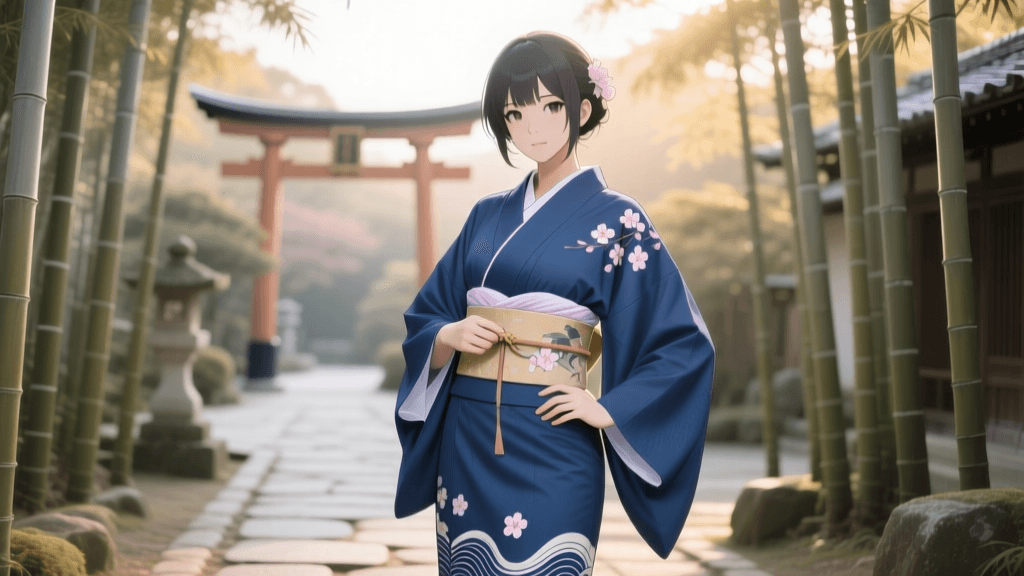
The global explosion of anime and manga has introduced millions of fans to the striking silhouettes of traditional Japanese clothing. Series like Demon Slayer (Kimetsu no Yaiba), Gintama, Rurouni Kenshin, and Bleach heavily feature historical and fantasy-inspired garments, primarily the kimono, haori, and hakama. For cosplayers and fashion enthusiasts, replicating these looks offers a unique challenge: balancing the vibrant, exaggerated aesthetics of manga with the strict, centuries-old rules of traditional Japanese garment construction.
Unlike Western historical costumes, which are often tailored and sewn to fit the body's exact contours, traditional Japanese garments are constructed from straight bolts of fabric (tanmono) and rely entirely on precise folding, wrapping, and tying techniques to achieve the correct silhouette. Understanding these foundational techniques is crucial for elevating your cosplay from a cheap costume to a respectful, accurate homage to Japanese sartorial heritage.
The Anatomy of Anime Kimono and Hakama
Before purchasing or sewing your cosplay, it is essential to understand the core components of the garments you are replicating. Anime artists often take creative liberties, but grounding your cosplay in reality will yield a much more impressive result.
The Kimono and Juban
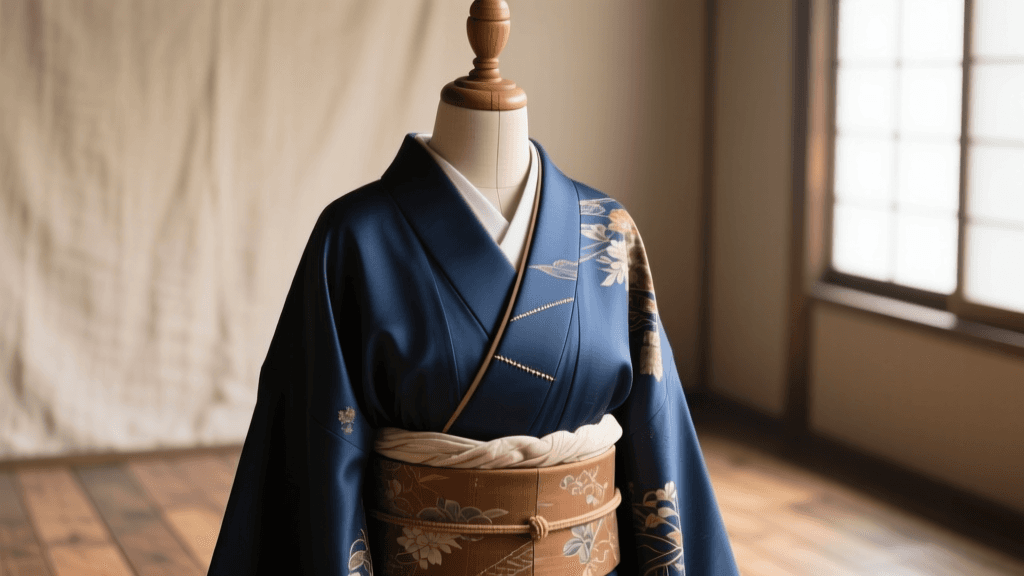
The kimono is a T-shaped, straight-lined robe. In anime, characters are often depicted wearing a single layer. In reality, a proper kimono ensemble requires a juban (undergarment) to protect the outer silk from sweat and to provide a contrasting collar (eri) at the neckline. The collar should form a neat V-shape at the back of the neck, revealing about two fingers' width of skin—a detail frequently emphasized in manga character designs.
The Hakama
Hakama are pleated, wide-legged trousers or skirts worn over the kimono. They are iconic in samurai and shinobi anime. A standard men's or martial arts hakama features exactly seven pleats: five in the front and two in the back. These pleats represent the seven virtues of the samurai. When cosplaying characters like Tanjiro Kamado or Kenshin Himura, ensuring your hakama has the correct pleat structure and stiff backing (koshita) is vital for an authentic silhouette.
The Haori
The haori is a hip- or thigh-length jacket worn over the kimono. In anime, the haori is often used to display character motifs, clan symbols, or squad insignias (such as the Demon Slayer Corps' checkered or flame patterns). Unlike the kimono, the haori is left open at the front and is secured with two short braided cords called haori himo.
Sourcing: Authentic Vintage vs. Cosplay-Grade
One of the most common dilemmas for anime cosplayers is whether to buy mass-produced polyester costumes or source authentic vintage garments. Authentic garments offer unparalleled drape, weight, and prestige, but require specific maintenance. Cosplay-grade garments are budget-friendly and machine-washable but often suffer from poor pleating and shiny, unnatural fabrics.
| Feature | Authentic Silk/Cotton (Vintage or Modern) | Cosplay-Grade (Polyester/Spandex) |
|---|---|---|
| Cost (Full Set) | $150 - $600+ | $40 - $120 |
| Fabric Drape | Heavy, structured, natural movement | Lightweight, prone to static, artificial shine |
| Hakama Pleats | Permanent, sharp, professionally pressed | Often fade after washing, require re-ironing |
| Sizing | Standardized bolt widths; requires folding | Western sizing (S, M, L, XL) with elastic waists |
| Best For | Conventions, photoshoots, cultural respect | Budget cosplays, high-mobility stage performances |
For those seeking authentic pieces, online retailers like Ichiroya (based in Osaka) and Yamato ship genuine vintage kimono and hakama globally. You can find high-quality, second-hand cotton or polyester hakama for under $50, which will look infinitely better than a brand-new, cheaply made anime costume set.
Practical Guide: Dressing the Demon Slayer Corps
The Demon Slayer Corps uniform is a fascinating blend of Western military influence and traditional Japanese workwear. To recreate Tanjiro or Zenitsu's look accurately, follow these specific garment guidelines:
- The Base Layer: The corps uniform is essentially a modified, dark-colored kimono jacket and hakama. Use a black or dark navy cotton kimono top. Ensure the sleeves (sode) are relatively narrow (tsutsode) rather than the wide, open sleeves of formal wear, to allow for sword-fighting mobility.
- The Hakama: Choose an umanori (divided-leg) hakama rather than an andon (skirt-like) hakama. Umanori provides the necessary mobility for acrobatic poses and stunt choreography at conventions.
- The Obi and Tying: Anime characters often have simple belts. In reality, you must use a traditional kaku obi (stiff, men's sash) tied in a simple knot at the front or back, hidden beneath the hakama. The hakama itself is secured using four long straps (himo) that wrap around the waist and tie in a specific flat knot at the front.
- The Haori: For Tanjiro's iconic black-and-green checkered haori, source a custom-dyed cotton haori. Cotton holds dye well and provides a matte finish that mimics the Taisho-era aesthetic of the anime.
Styling Gintama and Rurouni Kenshin
Characters in Gintama and Rurouni Kenshin often wear more formal or ronin-style garments. Gintoki Sakata's wardrobe is a masterclass in the 'rakugan' (relaxed) samurai aesthetic.
Mastering the Ohashori Fold
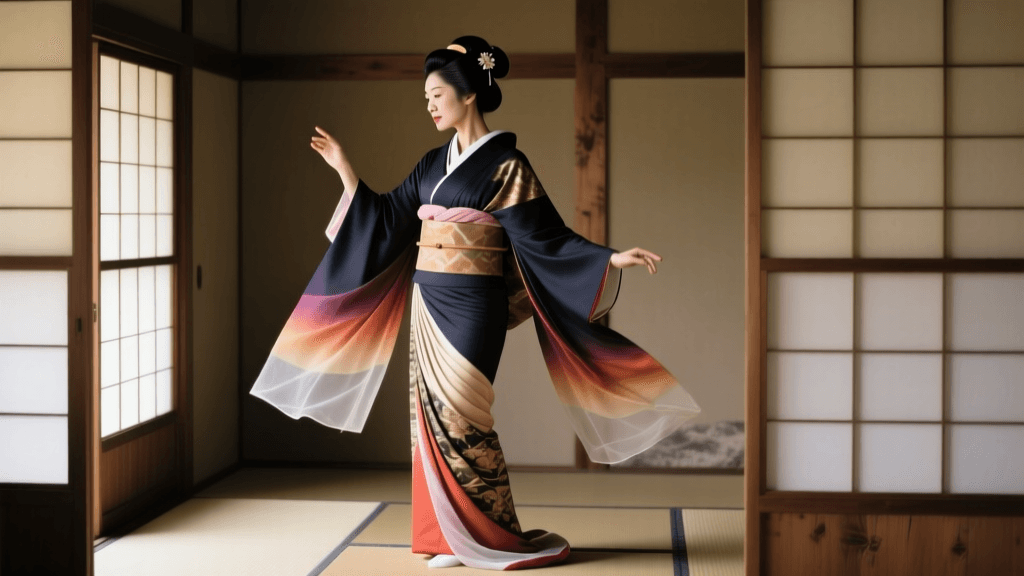
When wearing a full-length kimono under a hakama or on its own, the garment is almost always longer than the wearer's body. The excess fabric is folded at the waist to create the ohashori. This fold should sit just below the obi, measuring exactly 5 to 7 centimeters in visible depth. This horizontal line is a hallmark of proper kimono dressing and is frequently drawn with precision in high-quality manga panels. To secure this, cosplayers should use at least two koshihimo (long, thin cotton tying sashes) before wrapping the obi.
The Ronin Aesthetic
For Kenshin Himura's iconic red and white garments, the contrast is key. The white under-kimono (juban) must have a crisp, stiff collar. Use a datejime (a wide, elasticized belt) over the koshihimo to flatten the torso and prevent the kimono from bunching up, ensuring a clean, cylindrical silhouette that mirrors the Edo-period aesthetics documented by The Metropolitan Museum of Art.
Footwear and Accessories: Completing the Manga Look
No anime kimono cosplay is complete without the correct footwear. The ground-level perspective in manga often highlights the character's sandals, making them a focal point of the design.
- Tabi: Split-toe socks are mandatory. They are sized in centimeters (e.g., 23.5cm, 25.0cm). Measure your foot from heel to toe and buy the exact size; tabi should fit like a glove with no bunching at the ankle. White tabi are standard for formal wear and Demon Slayer corps, while black or navy tabi suit ronin and traveling characters.
- Zori vs. Waraji: Zori are formal, flat sandals made of vinyl, leather, or straw, worn with characters like Gintoki or formal anime nobility. Waraji are woven straw sandals secured with ropes that wrap around the ankle and calf. Waraji are heavily featured in Demon Slayer and historical action anime. When tying waraji, ensure the rope wraps securely around the ankle to prevent tripping on the convention floor.
- Koshihimo and Obi-ita: Invest in a set of poly-cotton koshihimo and an obi-ita (obi board). The board slides into the obi to keep it perfectly flat and wrinkle-free, a crucial detail for the wide, ornate belts seen on female anime characters in historical settings.
Crucial Cultural Etiquette for Cosplayers
When participating in manga-inspired fashion or cosplay, respecting the cultural origins of the garments is paramount. The most critical rule of kimono dressing is the collar direction. The left panel of the kimono must always cross over the right panel. Wrapping the right side over the left is strictly reserved for dressing the deceased for burial. Getting this wrong is considered highly disrespectful and is an immediate red flag to Japanese audiences and cultural enthusiasts.
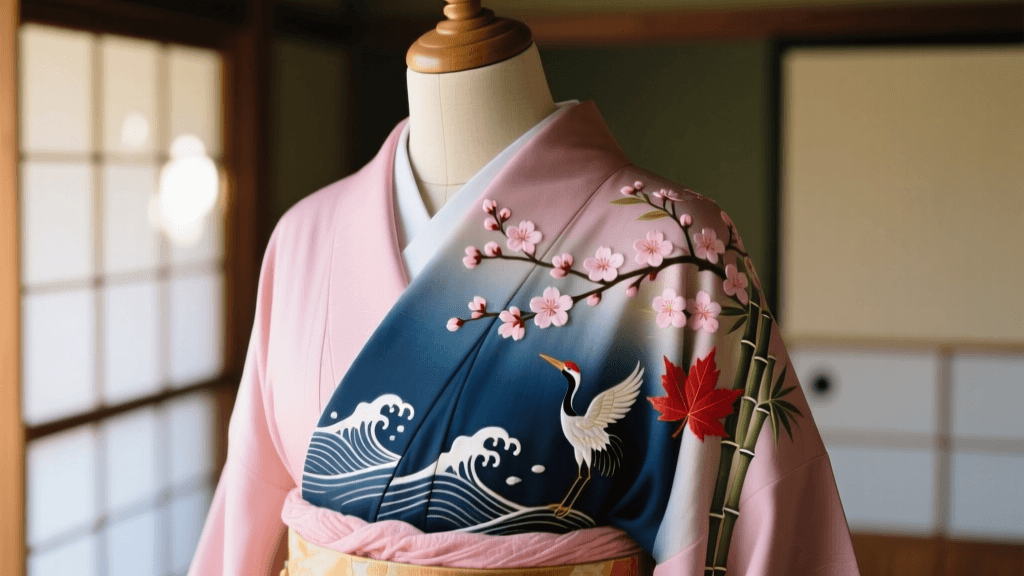
Furthermore, the Victoria and Albert Museum notes that the kimono is not merely a costume, but a reflection of social status, seasonality, and age. While anime often mixes these rules for character design—such as giving a young, unmarried female character the long, swinging sleeves of a furisode while she engages in battle—cosplayers should be aware of these historical contexts. According to the Japan National Tourism Organization, understanding the seasonal motifs (like cherry blossoms for spring or maple leaves for autumn) woven into the fabric adds a profound layer of authenticity to your portrayal.
Conclusion
Bridging the gap between the dynamic, stylized world of anime and the meticulous, rule-bound tradition of Japanese garment dressing is a rewarding endeavor. By investing in authentic fabrics, mastering the ohashori fold, respecting the seven-pleat structure of the hakama, and adhering to the left-over-right collar rule, you elevate your cosplay from a simple imitation to a wearable piece of art. Whether you are drawing your sword as a Demon Slayer or lounging in a hakama like a Gintama protagonist, the foundation of your look relies on a deep respect for the traditional garments that inspired your favorite manga artists.