Viral Hanfu Trends on TikTok and Douyin: Ultimate Style Guide
The Algorithmic Renaissance of Traditional Chinese Dress
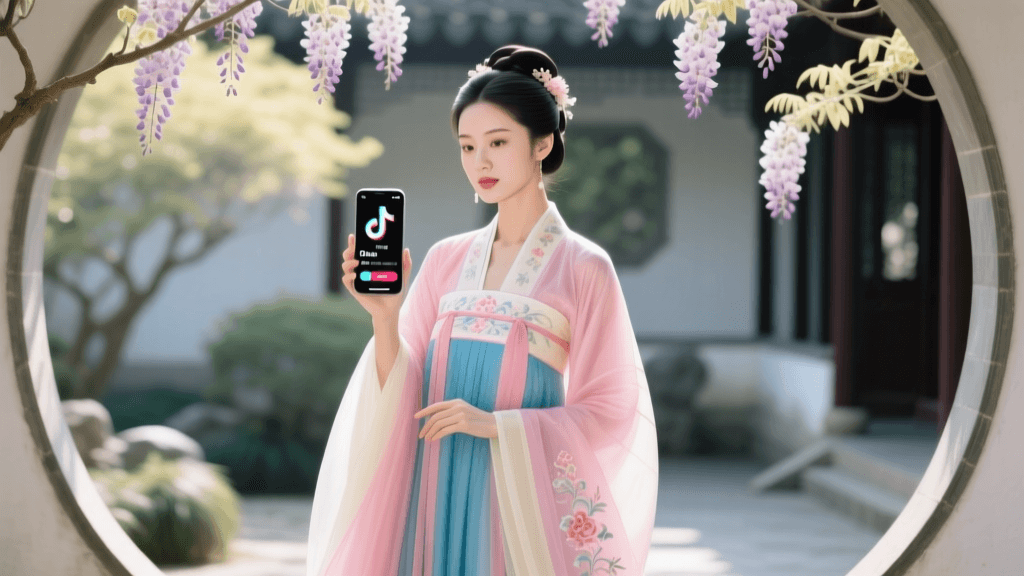
Over the past few years, the digital landscape has witnessed a monumental surge in traditional Chinese fashion, transforming niche historical reenactment into a global viral phenomenon. On platforms like TikTok and its Chinese counterpart, Douyin, the hashtag #Hanfu has accumulated tens of billions of views. This digital renaissance is not merely about wearing ancient clothes; it is a dynamic intersection of cultural pride, algorithmic trend cycles, and modern streetwear fusion. According to BBC Culture, the Hanfu movement has evolved from a small subculture of history enthusiasts into a mainstream fashion statement embraced by Gen Z and millennials alike. For global enthusiasts and content creators, understanding the nuances of these viral trends is essential for both authentic styling and high-engagement video creation.
The Mamianqun (Horse-Face Skirt) Takeover
If there is one garment that defines the current viral Hanfu era on both Douyin and TikTok, it is the Mamianqun, or 'horse-face skirt.' Originating in the Song Dynasty and reaching peak popularity during the Ming Dynasty, the Mamianqun is characterized by its flat front and back panels with deeply pleated sides. The skirt's viral explosion was partly catalyzed by a high-profile cultural controversy in 2022, where Chinese netizens accused a major French luxury house of plagiarizing the Mamianqun's structural design. This sparked the #DiorMamianqun hashtag on Douyin, leading millions of creators to post videos wearing authentic Ming-style skirts in everyday settings—from subway stations to university campuses—to assert cultural ownership.
Sizing, Styling, and Sourcing the Mamianqun
For those looking to recreate viral Mamianqun looks, getting the fit and styling right is crucial. Unlike modern skirts that sit on the hips, the Mamianqun is designed to sit at the natural waist. When ordering from Taobao or cross-border agents, you must measure your natural waist (usually 1-2 inches above the navel) and your desired skirt length. For a wearer who is 5'4' (162 cm), a skirt length of 100-105 cm is ideal to achieve the viral 'ankle-grazing' elegant silhouette without tripping. The waistband is typically secured with long, sturdy ties rather than zippers, requiring a specific wrapping technique to keep the flat front panel perfectly centered.
Styling the Mamianqun for TikTok often involves the 'New Chinese Style' (Xin Zhongshi) crossover. Instead of a traditional historical top, viral videos frequently pair the ornate, jacquard-woven skirt with modern, fitted turtlenecks, cropped leather jackets, or structured blazers. Footwear ranges from traditional embroidered cloud shoes to chunky platform boots or sleek combat boots, creating a striking visual contrast that performs exceptionally well on algorithmic feeds. The cost for a high-quality, ready-to-wear polyester jacquard Mamianqun ranges from $40 to $80 USD, while authentic silk-blend or custom-woven pieces can cost between $150 and $300 USD.
Song Dynasty Minimalism: The 'Quiet Luxury' of Hanfu
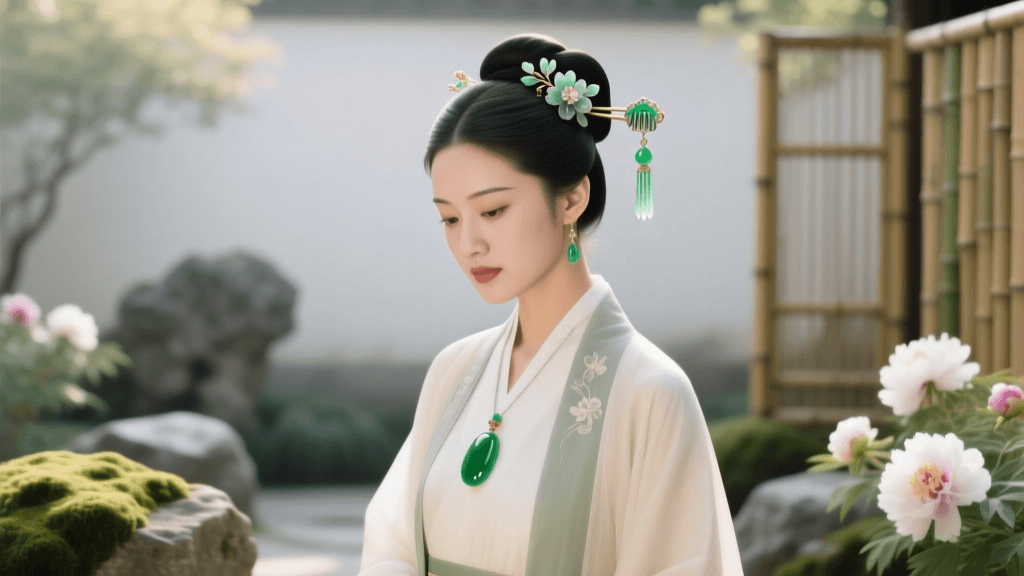
While the Ming Dynasty Mamianqun dominates the bold, high-contrast transition videos, the Song Dynasty aesthetic has carved out a massive niche on Douyin and TikTok for creators focusing on 'quiet luxury,' tea-house aesthetics, and intellectual minimalism. The viral Song Dynasty trio consists of the Beiqiao (a sleeveless or short-sleeved open vest), the Duijin Shan (a buttoned or tied front-opening shirt), and the Songku (wide-legged, pleated trousers). This silhouette is incredibly lightweight, making it the go-to choice for summer content and travel vlogs.
The color palettes for viral Song-style Hanfu lean heavily into muted, earthy tones: celadon green, slate gray, lotus pink, and bamboo yellow. The fabrics are typically sheer organza, lightweight linen, or matte chiffon, allowing for beautiful wind-blown effects in outdoor cinematography. To achieve the viral 'scholarly' look popularized by Douyin influencers, creators often pair this outfit with minimalist bamboo hair accessories, a folding fan, and a subtle, dewy makeup look that emphasizes natural features over the heavy, elaborate cosmetics of the Tang Dynasty.
Douyin vs. TikTok: A Trend Comparison Chart
While TikTok and Douyin share the same parent company and similar short-form video interfaces, the Hanfu trends on each platform have diverged based on cultural context and audience expectations. Below is a breakdown of how the trends compare across both platforms:
| Feature | Douyin (China) | TikTok (Global) |
|---|---|---|
| Primary Aesthetic | Cinematic, historical accuracy, elaborate locations, poetic storytelling | Streetwear fusion, quick transitions, everyday urban settings, GRWM (Get Ready With Me) |
| Popular Eras | Ming Dynasty (Mamianqun), Tang Dynasty (Qixiong Ruqun), Wei-Jin | Ming Dynasty (Mamianqun), Song Dynasty (Minimalist sets) |
| Styling Approach | Full traditional sets, intricate hairpieces, classical floral makeup | Mixed with modern basics (turtlenecks, corsets, sneakers, sunglasses) |
| Average Budget | $100 - $300+ USD (Silk, custom tailoring, branded studios) | $40 - $90 USD (Polyester jacquard, ready-to-wear, accessible retail) |
| Video Pacing | Slow-motion, emotional audio tracks, narrative arcs | Fast-paced, beat-drop transitions, trending pop/hip-hop audio |
Mastering the Viral Hanfu Transition Video
For content creators, the 'Hanfu Transition' is a rite of passage and a guaranteed way to tap into trending algorithmic waves. The most ubiquitous format is the 'Snap' or 'Shoe-Drop' transition, where the creator starts in modern, casual clothing and instantly transforms into full Hanfu regalia on the beat drop of a trending audio track. Mastering this requires precise technical execution.
Technical Breakdown for Content Creators
1. The Setup: Mount your camera on a tripod to ensure the framing remains 100% identical between clips. Any shift in the background or camera angle will ruin the illusion.
2. The Trigger Action: The most viral triggers include dropping a shoe onto your foot, snapping a folding fan open, or tossing a sleeve into the air. The exact moment the action peaks (e.g., the shoe touches the foot) is your cut point.
3. Lighting Consistency: Shoot both the 'before' and 'after' clips at the exact same time of day to maintain consistent shadows and natural light. Golden hour (the hour just after sunrise or just before sunset) is heavily favored on Douyin for its cinematic, warm glow that enhances the metallic threads in Hanfu fabrics.
4. The Edit: Use CapCut or TikTok's native editor. Align the audio waveform so the beat drop hits exactly on the frame where the traditional garment appears. Add a subtle 'shake' effect or a flash transition lasting no more than 0.2 seconds to mask any micro-movements between the two clips.
The Xin Zhongshi Crossover: Modernizing the Viral Aesthetic
A significant trend bridging the gap between historical Hanfu and modern viral fashion is 'Xin Zhongshi' (New Chinese Style). This movement deconstructs traditional elements and integrates them into contemporary tailoring. On TikTok, you will frequently see Mamianqun pleats integrated into modern pencil skirts, or traditional Pankou (knotted frog) buttons used on modern denim jackets and corsets. This trend is highly accessible for global audiences who may feel intimidated by wearing a full historical set in their daily lives. It represents a maturation of the Hanfu movement, shifting from strict historical replication to a living, breathing fashion vocabulary that influences global runways and street style.
Navigating Taobao and Cross-Border Agents
Sourcing authentic, high-quality Hanfu seen in viral Douyin videos requires navigating the Chinese e-commerce ecosystem. Most top-tier Hanfu brands, such as Shisanyu, Zhongzheng Hanfu, and Minghuatang, operate primarily through Taobao and Tmall. For international buyers, utilizing a cross-border shopping agent like Superbuy, CSSBuy, or Sugargoo is essential. When searching, using the correct Mandarin keywords will yield vastly superior results compared to English translations. Search for '明制马面裙' (Ming-style Mamianqun), '宋制汉服' (Song-style Hanfu), or '新中式' (Xin Zhongshi / New Chinese Style). Always check the seller's reviews for 'real buyer photos' to verify the accuracy of the fabric's drape and the color of the jacquard weave, as studio lighting can often exaggerate the metallic sheen of the garments.
Conclusion: A Digital Tapestry of Cultural Pride
The viral success of Hanfu on TikTok and Douyin is a testament to the enduring appeal of traditional craftsmanship meeting modern digital expression. As reported by Sixth Tone, the Hanfu market has exploded into a multi-billion dollar industry, driven largely by young consumers eager to connect with their heritage through a modern lens. Furthermore, the broader Guochao (national trend) movement, extensively detailed by Jing Daily, proves that domestic cultural aesthetics are now competing with, and often surpassing, Western luxury trends in the eyes of Asian consumers. Whether you are a historian, a fashion enthusiast, or a content creator looking to capture the next viral transition, the world of Hanfu offers a rich, deeply textured canvas that continues to redefine the boundaries of global fashion.