Complete Hanfu Ensembles: Jade Hair Accessories Guide
The Art of the Complete Hanfu Ensemble
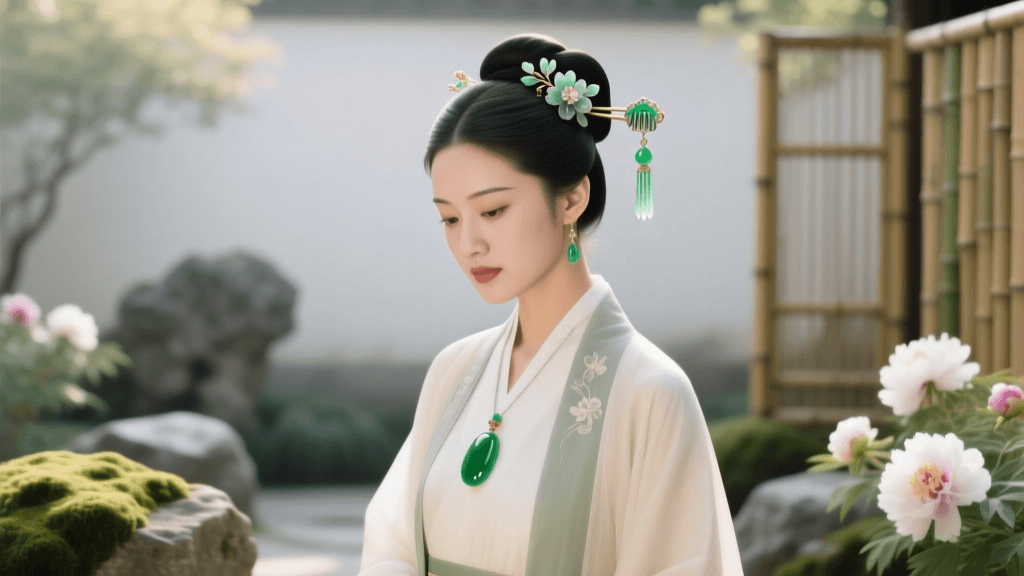
When curating a traditional Chinese wardrobe, the garments themselves are only half the story. A true Hanfu ensemble—known historically as a complete sartorial presentation—requires the harmonious integration of clothing (Yifu), footwear (Zushi), and headwear or hair accessories (Shoufu). Among the most revered and culturally significant of these hair accessories are those carved from jade. Far from being mere decorative afterthoughts, jade hairpins and ornaments are structural necessities that anchor complex hairstyles while communicating the wearer's appreciation for classical Chinese aesthetics. In this comprehensive guide, we will explore how to select, match, and style authentic jade hair accessories to elevate your Hanfu wardrobe from a simple costume to a complete, culturally resonant ensemble.
The Cultural Weight of Jade in Chinese Adornment
To understand why jade is the premier material for traditional hair ornaments, one must look to ancient Chinese philosophy. Confucius famously likened the qualities of jade to the virtues of a gentleman (Junzi): its smoothness represents benevolence, its density represents wisdom, and its unyielding nature represents courage. According to the Metropolitan Museum of Art's Heilbrunn Timeline of Art History, jade has been carved in China for over six millennia, serving as a conduit between the earthly and the divine. When you insert a jade hairpin into your hair, you are participating in a continuous material tradition that values moral integrity and spiritual purity. Unlike fleeting fashion trends, jade is meant to be an heirloom, absorbing the wearer's energy and history over a lifetime.
Anatomy of Jade Hair Accessories
Building a complete Hanfu hair accessory collection requires understanding the specific structural roles of different ornaments. Here are the essential jade pieces every Hanfu enthusiast should know:
1. Zan (簪) - The Single-Prong Hairpin
The Zan is the foundational tool of Chinese hair styling. It features a single, elongated prong used to pierce through a bun to secure it against the scalp. For functional styling, look for a jade Zan that is at least 15cm to 18cm (6 to 7 inches) in length. The prong must taper to a smooth, rounded point to prevent snagging or breaking the hair. Jade Zan are often carved with motifs like lotuses, bamboo, or ruyi (scepter) heads.
2. Chai (钗) - The Double-Prong Hairpin
Featuring two prongs that branch from a single decorative head, the Chai offers superior grip and weight distribution compared to the Zan. It is ideal for securing heavier, more elaborate updos. The dual prongs act like a fork, locking sections of twisted hair into place. Chai are frequently crafted using the Jin Xiang Yu (gold-inlaid jade) technique, where carved jade is set into intricate gold or silver filigree.
3. Buyao (步摇) - The Step-Sway Ornament
The Buyao is a dynamic hairpin featuring dangling elements—often jade beads, pearls, or metallic leaves suspended on delicate springs or chains. The name translates to 'step-sway,' as the ornament is designed to tremble gracefully with the wearer's movements. A high-quality jade Buyao requires a sturdy base pin to support the weight of the dangling jade drops, which can range from 20g to over 50g.
4. Guan (冠) - The Hair Crown
Historically worn by nobility or during formal ceremonies, the Guan is a structural crown that encases the top knot of the hair. While full jade crowns are rare and heavy, modern Hanfu stylings often utilize smaller, semi-circular jade guan pieces that are pinned over a structured bun to simulate the regal silhouette of Ming or Song dynasty court dress.
5. Shubi (梳篦) - The Decorative Comb
Shubi are crescent-shaped combs with teeth designed to slide into the front or side of an updo. The top ridge of the comb is heavily ornamented with jade carvings. They are primarily decorative, used to conceal hair ties and add a focal point to the front of the hairstyle.
Matching Jade Accessories to Hanfu Silhouettes
Not all jade accessories suit every Hanfu style. The historical era and structural volume of your garment should dictate your hair ornament choices. Refer to the table below for actionable styling pairings:
| Hanfu Style | Historical Era | Recommended Jade Accessory | Styling Tip |
|---|---|---|---|
| Qixiong Ruqun (Chest-high Skirt) | Tang Dynasty | Large Jade Buyao & Shubi | Tang styles favor volume and opulence. Use a large comb at the front and heavy dangling Buyao on the sides to balance the wide silhouette. |
| Mamianqun (Horse-face Skirt) | Ming Dynasty | Gold-inlaid Jade Zan & Chai | Ming aesthetics are structured and dignified. Opt for a sleek, low bun secured with a thick, gold-and-jade Chai for a refined, matronly elegance. |
| Beizi (Long Outer Coat) | Song Dynasty | Minimalist Celadon Jade Zan | Song fashion values understated elegance. A single, unadorned celadon jade stick piercing a simple top-knot perfectly captures this scholarly restraint. |
| Aoqun (Jacket and Skirt) | Late Ming / Early Qing | Jade Guan & Hairpins | Pair a high, structured bun with a jade semi-crown and flanking hairpins to complement the high collars and layered jackets. |
Sourcing Authentic Jade: A Buyer’s Guide
The market for jade is notoriously difficult to navigate, flooded with glass, resin, and dyed quartz imitations. When sourcing jade for your Hanfu ensemble, understanding the material and budget is crucial. As noted by material culture researchers at the University of Washington's Early China Civilization guide, the distinction between different types of jade has shaped Chinese art and commerce for centuries.
Types of Jade and Budgeting
- Xiuyan Jade (Serpentine): Often translucent with a yellowish-green hue, Xiuyan is softer and more affordable. It is an excellent entry-level choice for Hanfu beginners. Budget: $20 - $80 per hairpin.
- Hetian Jade (Nephrite): The most historically revered jade, known for its creamy white 'mutton fat' texture and extreme durability. Authentic Hetian nephrite is an investment. Budget: $150 - $2,000+ per piece, depending on carving quality and provenance.
- Jadeite (Feicui): While highly prized in modern jewelry, vibrant green jadeite was not widely used in Chinese hair ornaments until the late Qing dynasty. For pre-Qing Hanfu accuracy, stick to nephrite or serpentine.
Actionable Authentication Tests
When buying in person, perform the temperature test: authentic jade feels distinctly cold to the touch and takes several seconds to warm up in your hand, whereas glass or resin warms almost instantly. Additionally, tap the jade lightly with a metal pin; real nephrite produces a clear, resonant, bell-like chime, while fake jade yields a dull thud. Always request a certificate of authenticity from a recognized gemological laboratory when purchasing high-end Hetian pieces.
Step-by-Step: Styling Hair with Jade Ornaments
A jade hairpin cannot hold hair together on its own; it requires a structural foundation. Allow 15 to 20 minutes to properly prepare your hair before inserting your jade accessories.
- Prep and Tease: Start with day-old hair or apply a texturizing spray. Modern hair is often too silky to hold traditional styles. Tease the crown of your hair to create a voluminous base.
- Create the Foundation Bun: Gather your hair into a high ponytail. Twist the hair tightly and wrap it into a figure-eight or coiled bun. Secure the bun firmly using 4 to 6 black U-shaped hairpins, crisscrossing them to lock the hair against the scalp.
- Insert the Zan (Anchor): Take your primary jade Zan. Pierce it through the right side of the bun, angling it diagonally downward toward the left side of your scalp. Hook a small section of hair near the scalp with the tip of the pin before pushing it all the way through. This 'hooking' technique is what locks the pin in place.
- Add the Buyao (Decoration): Insert your Buyao just above or slightly in front of the Zan. Because Buyao are heavy, ensure the prong slides deep into the thickest part of the bun, resting against the U-pins for structural support.
- Final Adjustments: Gently tug the dangling elements of the Buyao to ensure they swing freely without catching on the hair. Use a light-hold hairspray to tame flyaways without dulling the polish of the jade.
Care and Maintenance of Jade Hairpins
Jade is durable but not indestructible. Nephrite and serpentine can chip if dropped on hard surfaces. After wearing your Hanfu ensemble, gently wipe your jade accessories with a soft, lint-free microfiber cloth to remove natural hair oils and styling products. Never use harsh chemical cleaners or ultrasonic jewelry cleaners, as these can strip the natural oils from the stone and damage any gold or silver inlays. Store your jade hairpins individually in silk-lined pouches to prevent them from scratching one another or becoming scratched by harder gemstones. With proper care, your jade Shoufu will not only complete your Hanfu ensemble today but will endure as a beautiful heirloom for generations to come, perfectly embodying the timeless elegance of Asian traditions.
For further exploration of historical Asian textiles and ornamental arts, the Victoria and Albert Museum's Asia Collections offer profound insights into the craftsmanship that defined historical Chinese material culture.