The Ultimate Guide to Tai Chi Clothing and Martial Arts Wear
The Intersection of Tradition, Movement, and Attire
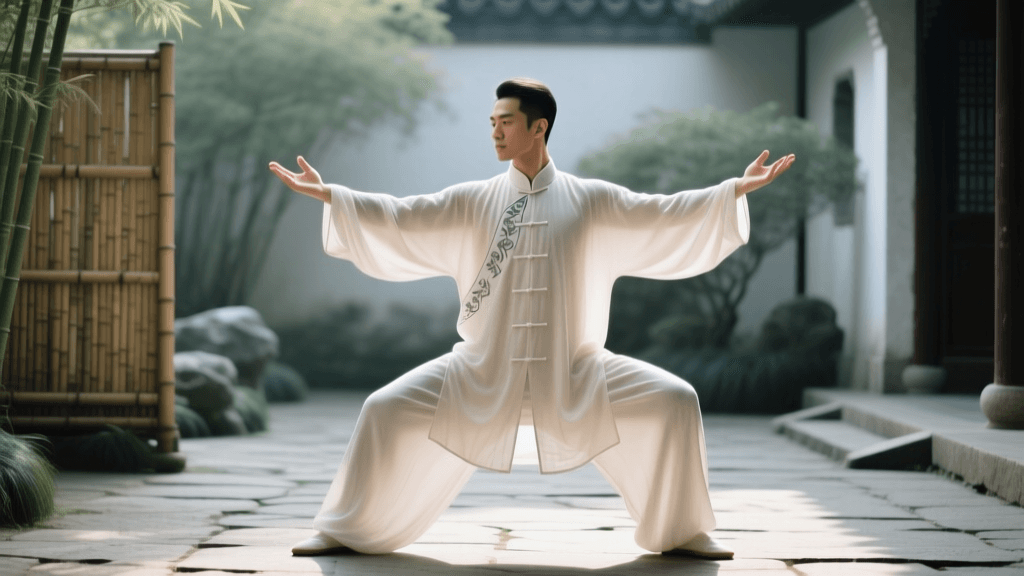
When practicing Taijiquan (Tai Chi) or other traditional Chinese martial arts, the clothing you wear is not merely a uniform; it is an extension of the practice itself. Traditional martial arts attire, often referred to as Taijiquan Fu or Kung Fu uniforms, is designed to facilitate the unhindered flow of Qi (vital energy) and allow for the deep, expansive stances required in Wushu. Unlike modern athletic wear, which often relies on tight, synthetic compression fabrics, traditional practice wear prioritizes breathability, natural fibers, and structural drape. Understanding the nuances of these garments can significantly enhance your grounding, balance, and overall mind-body connection during practice.
According to research published by Harvard Medical School, Tai Chi is characterized by slow, fluid movements that require continuous joint rotation and deep muscular engagement. Restrictive clothing can impede this range of motion and distract the practitioner from the meditative aspects of the art. Therefore, selecting the right traditional garment is a practical necessity for both beginners and seasoned martial artists.
Essential Fabrics for Traditional Practice Wear
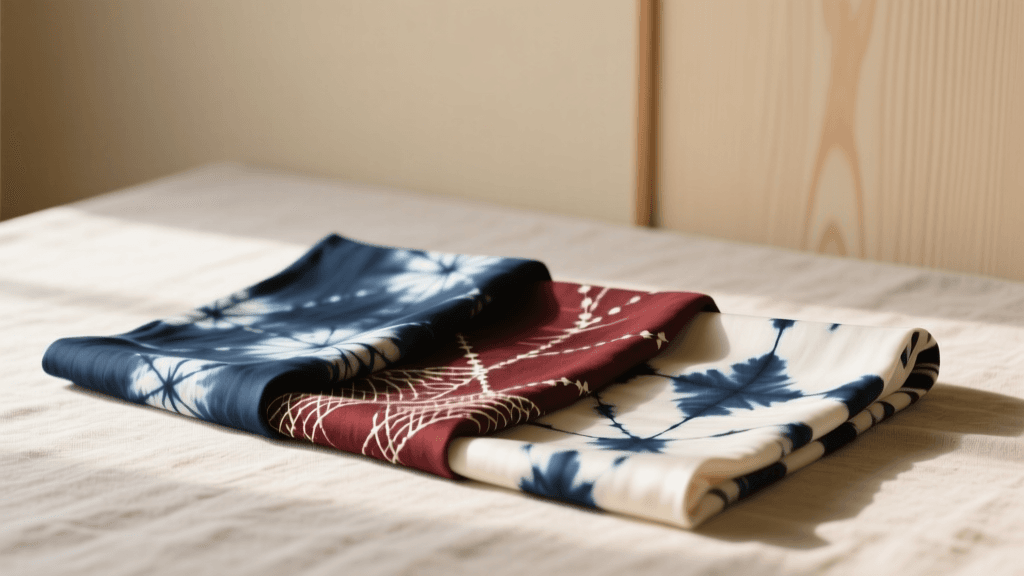
The foundation of any high-quality martial arts uniform lies in its textile. Traditional Chinese garments utilize natural fibers that respond well to the body's thermoregulation during rigorous forms practice.
1. Cotton (Mian)
Cotton is the workhorse of daily practice wear. For martial arts, a medium-weight cotton (150-200 GSM) is ideal. It provides enough structure to maintain the elegant drape of the uniform while being highly breathable. Look for brushed cotton or cotton-linen blends for added softness against the skin. Cotton is highly recommended for beginners due to its durability, ease of care, and affordability, typically costing between $30 and $50 for a full set.
2. Silk (Si)
Mulberry silk is the pinnacle of traditional Tai Chi attire, often reserved for competitions, demonstrations, and advanced practitioners. Silk is naturally temperature-regulating, keeping the practitioner cool in summer and warm in winter. Its frictionless surface allows the arms and legs to glide past one another during complex movements like Single Whip or Cloud Hands. However, silk requires delicate care and represents a higher investment, with authentic silk suits ranging from $120 to over $300.
3. Linen (Ma)
Linen is highly favored for outdoor summer practice. It is exceptionally breathable and possesses a natural stiffness that gives the uniform a crisp, traditional silhouette. While pure linen can wrinkle easily, cotton-linen blends offer a practical compromise, providing the cooling properties of linen with the wrinkle-resistance of cotton.
4. Bamboo Viscose
A modern addition to traditional cuts, bamboo fabric is prized for its moisture-wicking properties and incredible softness. It drapes similarly to silk but is much more durable and machine-washable, making it an excellent mid-tier option ($60-$90) for practitioners who sweat heavily during vigorous Wushu routines.
The Anatomy of a Tai Chi Uniform
A standard Tai Chi uniform consists of two main pieces: the top (Yi) and the pants (Ku). The tailoring of these pieces is distinctly different from Western clothing, specifically engineered to accommodate the biomechanics of martial arts stances.
The Top (Yi)
- Collar: The traditional Mandarin collar (stand-up collar) should sit comfortably at the base of the neck without choking the practitioner. It encourages proper spinal alignment and an upright posture.
- Closures: Authentic uniforms use Pankou (frog buttons) made of knotted fabric. These are not just decorative; they lie flat against the body and won't dig into the skin during ground movements or rolling.
- Shoulders and Sleeves: The shoulder seam is typically dropped by 1 to 2 inches. This prevents the fabric from pulling tight when the arms are raised above the head. Sleeves should taper slightly at the wrist, ending exactly at the wrist bone to ensure the hands remain visible and unencumbered.
The Pants (Ku)
The most critical aspect of martial arts pants is the crotch gusset. According to the International Wushu Federation, Taijiquan requires deep, rooted stances such as Mabu (Horse Stance) and Xubu (Empty Stance). Standard Western trousers will tear or restrict the hips in these positions. Authentic practice pants feature a diamond-shaped gusset or a significantly dropped crotch (often 3 to 5 inches lower than standard pants) to allow for 180-degree leg extensions. The waist is traditionally secured with a wide elastic band and an internal drawstring to prevent the pants from slipping during deep bends.
Fabric Comparison Chart for Martial Arts
| Fabric Type | Best Season | Durability | Avg. Cost (USD) | Care Level |
|---|---|---|---|---|
| 100% Cotton | All-Season | High | $30 - $50 | Low (Machine Wash) |
| Mulberry Silk | All-Season | Medium | $120 - $300+ | High (Hand Wash/Dry Clean) |
| Linen Blend | Summer | Medium-High | $45 - $75 | Medium (Cold Wash, Line Dry) |
| Bamboo Viscose | Summer/Indoor | High | $60 - $90 | Low (Machine Wash Gentle) |
Footwear: Grounding Your Practice
In traditional Chinese martial arts, the connection between the foot and the earth is paramount. The Yongquan (Kidney 1) acupressure point on the sole of the foot must be able to 'grip' the floor. Thick, cushioned running shoes elevate the heel, disrupt balance, and mask the sensory feedback required for proper weight distribution.
The gold standard for Tai Chi and Wushu footwear is the Feiyue 501 Classic. Originally designed in the 1920s for Shaolin monks, these shoes feature a thin, flexible rubber sole and a canvas upper. They cost approximately $25 to $35 and allow the foot to articulate naturally. For indoor practice on smooth wooden floors, practitioners often opt for traditional Tai Chi slippers with suede or soft leather soles, which provide the perfect amount of slip-and-grip for pivoting movements without damaging the floor. These typically range from $30 to $50.
Seasonal Variations and Layering
Practicing outdoors or in unheated dojos requires strategic layering that respects traditional aesthetics. In winter, practitioners often wear a Tangzhuang (traditional Chinese jacket) over their uniform during warm-ups. These jackets are insulated with cotton or silk batting and feature the same frog closures as the practice top. As the body warms up, the jacket is removed. For cold-weather leg protection, thermal leggings made of merino wool can be worn beneath the loose-fitting Tai Chi pants, as the generous cut of the pants easily conceals base layers without restricting movement.
Competition vs. Daily Practice Attire
It is important to distinguish between daily training gear and competition uniforms. As noted by the Mayo Clinic, the meditative and stress-relieving benefits of Tai Chi are best achieved when the practitioner is entirely comfortable and free from physical distractions. Daily wear should prioritize soft, washed cottons or linens that feel like a second skin.
Conversely, competition uniforms are designed for visual impact. They often utilize brightly colored silk brocades, intricate embroidery (such as dragons, phoenixes, or yin-yang motifs), and stiffened collars to project an image of authority and precision. While beautiful, the stiff brocades can be noisy and less breathable, making them unsuitable for the sweaty reality of daily, rigorous training.
Practical Buying Guide and Sizing Advice
When purchasing a traditional Tai Chi uniform, sizing can be tricky as many authentic brands use Asian sizing charts. Here are actionable tips for getting the right fit:
- Measure the Inseam: Tai Chi pants should ideally end 1 inch above the ankle bone. This prevents the hem from being stepped on during low stances. If you are 5'9", look for an inseam of roughly 28 to 29 inches.
- Check the Chest Width: The top should be loose. Measure your chest and add 4 to 6 inches to that number to find your ideal garment chest width. This ensures the fabric doesn't pull across the back when you cross your arms.
- Sleeve Length: Measure from the base of your neck, across the shoulder, and down to the wrist bone. A proper Tai Chi sleeve will not cover the hands, which is crucial for the precise hand forms (like the 'sword fingers') used in the art.
'The mind leads the Qi, the Qi leads the body, and the attire must never hinder the flow. To wear the uniform is to adopt the mindset of the martial artist: disciplined, grounded, and flowing.'
— Traditional Wushu Maxim
Caring for Your Traditional Garments
To ensure your practice wear lasts for years, proper maintenance is essential. Cotton and bamboo blends can generally be machine washed on a gentle, cold-water cycle, but they should always be air-dried to prevent the cotton fibers from shrinking and altering the carefully tailored drape. Silk garments must be hand-washed using a pH-neutral detergent (like baby shampoo or specialized silk wash) and dried in the shade, as direct sunlight will degrade the silk proteins and fade the dye. Ironing should be done on a low-heat setting, preferably with a pressing cloth between the iron and the garment to avoid scorching the natural fibers.
Investing in high-quality, traditionally tailored Tai Chi clothing is an investment in your practice. By choosing the right fabrics, respecting the anatomical design of the garments, and wearing proper minimalist footwear, you remove the barriers between your intention and your movement, allowing the ancient art of Taijiquan to flourish in the modern day.