Kimono Dress Codes: Formality Rules for Japanese Events
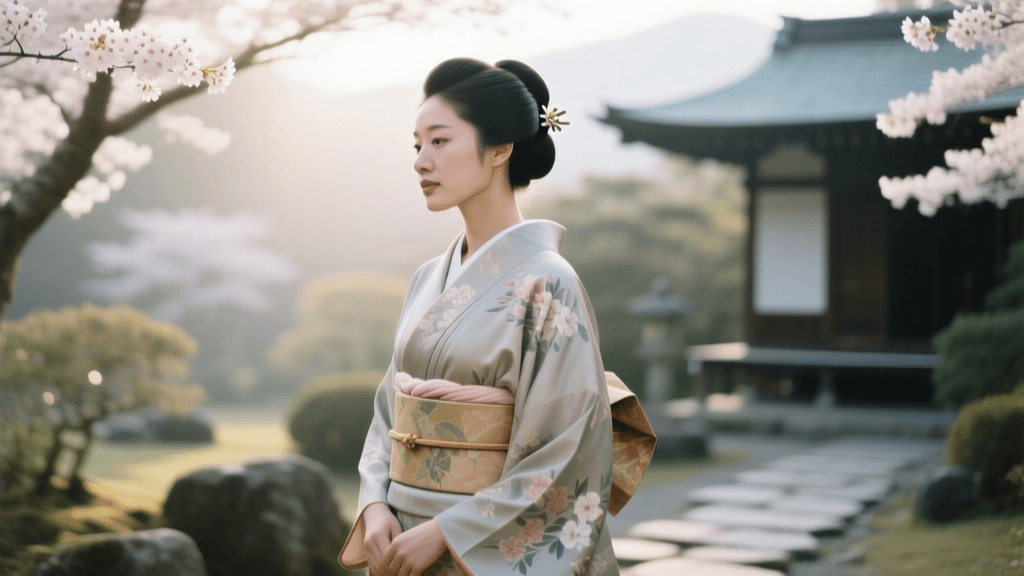
The Art of TPO: Navigating Kimono Formality
In the intricate world of traditional Japanese clothing, aesthetics are only half the equation. The true mastery of wearing a kimono lies in understanding the concept of TPO: Time, Place, and Occasion. Unlike Western formalwear, which often relies on a simple binary of 'formal' versus 'casual,' the kimono dressing system is a highly structured hierarchy. Every element—from the base fabric color and the placement of dyed patterns to the type of obi knot and the material of your footwear—communicates your age, marital status, and relationship to the event's host.
For both locals and international enthusiasts, misinterpreting these dress codes can lead to unintended faux pas. According to Japan Guide's comprehensive overview of traditional garments, the hierarchy of formality is strictly observed at weddings, tea ceremonies, and seasonal festivals. This guide will break down the essential rules of kimono etiquette, providing actionable advice on measurements, layering, and occasion-specific dress codes.
The Hierarchy of Kimono Formality
Before selecting a garment, one must understand the established tiers of formality. The placement of family crests (kamon) and the extent of the dyed pattern (e-ba) are the primary indicators of a kimono's rank. Below is a structured comparison chart detailing the core types of formal and semi-formal women's kimono.
| Kimono Type | Formality Level | Target Wearer | Pattern Placement & Crests | Appropriate Occasions |
|---|---|---|---|---|
| Kurotomesode | Highest (Black) | Married Women | Pattern only below the obi; 5 crests | Weddings (Mother of the bride/groom) |
| Irotomesode | High (Colored) | Married/Unmarried | Pattern below the obi; 3 or 5 crests | Weddings (Close relatives), Imperial events |
| Furisode | High (Unmarried) | Unmarried Women | Full body pattern; Long sleeves (100-114cm) | Coming of Age Day, Wedding guest (unmarried) |
| Homongi | Semi-Formal | All Women | Continuous pattern across seams; 1-3 crests | Wedding receptions, Tea ceremonies, Parties |
| Tsukesage | Semi-Formal | All Women | Pattern does not cross seams; 1 crest | Graduations, Dinners, Cultural classes |
| Komon | Casual | All Women | Repeating all-over pattern; No crests | Daily wear, Theater visits, Casual dining |
| Yukata | Summer Casual | All | Cotton fabric; Unlined | Summer festivals, Fireworks, Onsen resorts |
Dress Codes for Specific Occasions
1. Attending a Japanese Wedding
Weddings are the most strictly regulated events in Japanese society. If you are the mother of the bride or groom, a kurotomesode (black formal kimono) is mandatory. If you are a close relative, an irotomesode (colored formal kimono) is appropriate. Unmarried sisters of the couple typically wear a vibrant furisode.
Crucial Etiquette Rule: Guests should avoid wearing white, as this color is strictly reserved for the bride. Furthermore, avoid overly flashy or large floral patterns that might 'outshine' the bride. A homongi in a subdued, elegant color palette with a formal fukuro obi is the safest and most respectful choice for a standard wedding guest.
2. The Tea Ceremony (Chakai)
The tea ceremony requires an environment of harmony, respect, purity, and tranquility. Your clothing must not disrupt this atmosphere. When attending a chakai, proper tea ceremony etiquette dictates that guests wear subdued, elegant semi-formal attire such as a tsukesage or a refined komon.
Practical Details: Avoid long, flowing sleeves that might knock over tea bowls or dip into the matcha. The homongi is acceptable for high-ranking guests or the host, but patterns should be understated. White tabi socks are absolutely mandatory, even in summer, as bare feet are considered highly impolite in the tea room. Remove all jewelry, including rings and watches, to prevent scratching the priceless ceramic tea bowls.
3. Graduation Ceremonies
University graduations in Japan feature a unique sartorial tradition. Female graduates typically wear a furisode or a standard hakama ensemble. The hakama (pleated trousers worn over the kimono) was historically worn by samurai and male scholars but was adopted by female students in the Meiji era. When wearing a hakama, the kimono underneath should be a furisode or a high-quality komon with a small crest, paired with lace-up leather boots or traditional zori sandals.
The Anatomy of Etiquette: Layering and Measurements
Proper kimono dressing (kitsuke) requires precise layering and specific measurements to maintain the correct silhouette, which is meant to be cylindrical rather than curvilinear.
- Hadajuban: The innermost cotton undergarment, worn to protect the silk kimono from sweat and body oils.
- Nagajuban: The second under-layer, usually made of silk or synthetic washable fabric. Only the collar (han-eri) of the nagajuban is visible beneath the main kimono. For formal events, a white or subtly embroidered han-eri is required.
- Koshihimo: Cotton ties used to secure the layers at the waist. A proper dress requires 3 to 5 koshihimo.
- Datejime: A wide, stiff belt worn over the koshihimo to flatten the bust and waist, ensuring the outer kimono hangs smoothly.
The Golden Rule: Left Over Right
The most critical rule in kimono etiquette is the wrapping of the collar. The left side of the kimono must always overlap the right side (hidari-mae). This rule was codified during the Nara period (794 AD) under the Yoro Clothing Code. Wrapping the right side over the left is strictly reserved for dressing the deceased for burial. Making this mistake is considered highly inauspicious and offensive.
Obi Selection and Knots
The obi (sash) is as important as the kimono itself in determining formality.
- Fukuro Obi: The most formal obi, measuring approximately 31 cm in width and 4.5 meters in length. It is fully brocaded or patterned on one side and is required for kurotomesode, irotomesode, and furisode. It is typically tied in the elaborate taiko musubi (drum knot) or fukura suzume knot.
- Nagoya Obi: A semi-formal/casual obi measuring 31 cm wide but only 3.6 meters long. It is pre-folded and stitched at one end to make tying the standard otaiko musubi easier. It is appropriate for homongi, tsukesage, and komon.
Seasonality: The Rule of Koromogae
Japanese culture places immense importance on the changing of the seasons, reflected in the practice of koromogae (wardrobe transition). Kimono seasonality is not just about personal comfort; it is a strict social rule.
- October 1 to May 31: Wear awase (lined kimono) to provide warmth.
- June 1 to September 30: Wear hitoe (unlined, single-layer kimono) or usumono (sheer, breathable fabrics like ro or sha) during the peak of summer.
Furthermore, the motifs dyed onto the kimono must slightly precede the actual season. Wearing cherry blossom motifs in full bloom in April is considered late; they should be worn in March to 'anticipate' the season. Wearing autumn maple leaves in December is a major faux pas.
Practical Guide: Renting vs. Buying
For international visitors and those who do not attend frequent formal events, renting is the most practical and cost-effective option. The kimono rental industry in Japan is highly sophisticated, offering full dressing services (kitsuke) and hair styling.
Cost Comparison (Estimated in JPY and USD)
| Garment Type | Rental Cost (1 Day) | Purchase Cost (New, Mid-Range) | Best For |
|---|---|---|---|
| Yukata (Summer) | 3,000 - 5,000 JPY ($20 - $35) | 10,000 - 30,000 JPY ($70 - $200) | Festivals, casual tourism |
| Komon (Casual) | 5,000 - 8,000 JPY ($35 - $55) | 40,000 - 80,000 JPY ($270 - $550) | City walking, cafes, temples |
| Homongi (Semi-Formal) | 10,000 - 15,000 JPY ($70 - $100) | 150,000 - 300,000 JPY ($1,000 - $2,000) | Tea ceremonies, nice dinners |
| Furisode (Formal) | 15,000 - 25,000 JPY ($100 - $170) | 300,000 - 500,000+ JPY ($2,000+) | Weddings, Coming of Age Day |
Booking and Timing Advice
If you plan to rent a kimono in major tourist hubs like Kyoto, Tokyo, or Kanazawa, timing is critical. During peak tourist seasons—specifically the Cherry Blossom season (late March to early April) and the Autumn Foliage season (November)—rental shops book out weeks in advance. You should reserve your garment and dressing appointment at least one to two months prior to your event. For formal garments like furisode or homongi, a consultation is often required to ensure the sleeve length and hem measurements align with your height, so factor in an extra 30 minutes on the day of your rental for the dressing process.
Conclusion
Mastering kimono etiquette is a lifelong journey, deeply intertwined with Japanese history, aesthetics, and social harmony. By respecting the TPO principle, understanding the strict hierarchy of formality, and adhering to the foundational rules of layering and seasonality, you honor the artisans who craft these magnificent textiles. Whether you are attending a solemn tea ceremony or celebrating at a vibrant summer festival, dressing correctly ensures you participate respectfully and beautifully in Japan's living cultural heritage.