The Modern Haori: Styling Japanese Jackets for Everyday Wear
The Evolution of the Haori: From Samurai to Streetwear
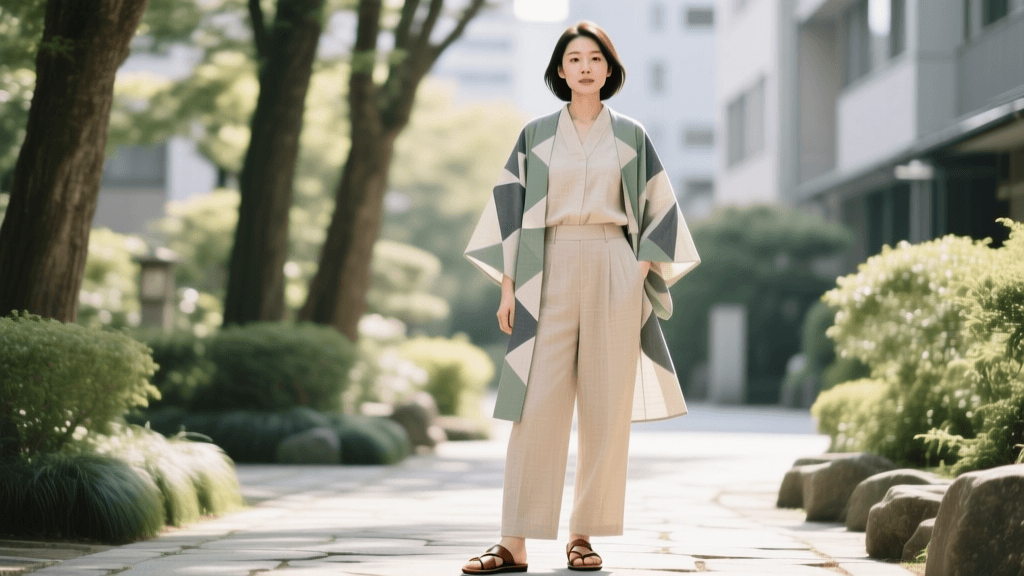
The haori is a traditional Japanese hip- or thigh-length jacket worn over a kimono. Originally designed as a protective outer layer against the elements, it has evolved into one of the most versatile and accessible pieces of traditional Japanese clothing for modern, everyday wear. Unlike the highly structured and restrictive kimono, the haori is open at the front, featuring wide sleeves and a relaxed drape that seamlessly integrates with contemporary Western wardrobes.
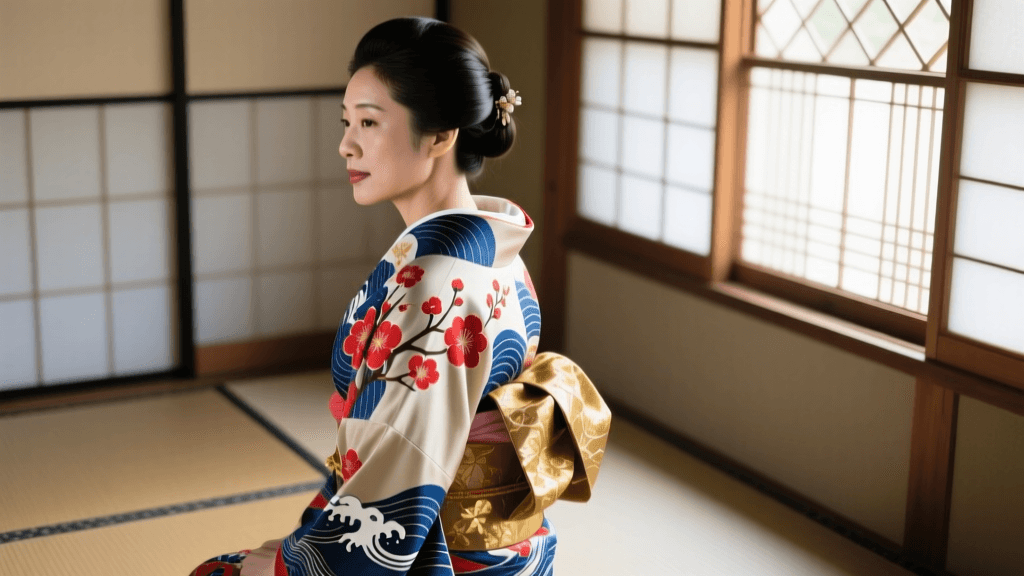
According to the Metropolitan Museum of Art, the haori's origins trace back to the Muromachi period (1336–1573), where it was initially worn by samurai as a practical garment for warmth and armor protection. By the Edo period (1615–1868), sumptuary laws restricted the merchant class from displaying wealth overtly. As noted by the Victoria and Albert Museum, this led to the tradition of hiding luxurious, intricately dyed linings inside the haori, allowing wearers to express their personal style and status subtly. Today, this jacket transcends its historical roots, serving as a bridge between heritage craftsmanship and modern casual fashion.
Sizing and Measurements: Finding Your Perfect Fit
One of the greatest advantages of the haori for everyday wear is its forgiving, one-size-fits-most silhouette. However, understanding traditional Japanese garment measurements is crucial for finding a piece that flatters your body type and suits your styling intentions. Japanese garments are measured flat, rather than by body circumference.
- Yuki (Sleeve Length): Measured from the center back of the neck, across the shoulder, and down to the wrist. For a casual, modern look, a yuki that ends around the mid-forearm or wrist bone (typically 60-65 cm or 24-26 inches for women) is ideal. This prevents the sleeves from dragging in food or catching on door handles during daily commutes.
- Mitake (Back Length): Measured from the base of the collar down to the hem. A standard casual women's haori falls between 80 cm and 95 cm (31-37 inches), hitting around the mid-thigh. Shorter vintage haori (around 70 cm) are excellent for pairing with high-waisted trousers, while longer men's haori (100+ cm) function beautifully as lightweight duster coats.
- Sodeguchi (Sleeve Opening): The open part of the sleeve. A wider opening (around 20-25 cm) is essential if you plan to layer your haori over chunky winter sweaters or thick flannel shirts.
Fabric Choices for Daily Life
While silk is the most prestigious material, it is not always practical for everyday wear. When curating a casual wardrobe, consider these traditional and modern textiles:
Tsumugi (Pongee Silk)
Tsumugi is a slubbed silk fabric originally woven from leftover or wild silk fibers. It has a matte finish, a slightly nubby texture, and a rustic elegance. Because it lacks the high sheen of formal silk satin (rinzu), a tsumugi haori is considered casual and is perfect for daytime wear, coffee runs, and creative office environments.
Ro and Sha (Summer Gauze)
For summer layering, look for haori made from ro or sha. These are sheer, lightweight fabrics woven with a leno weave that creates tiny gaps, allowing air to circulate. A dark-colored ro haori worn over a simple linen slip dress provides UV protection and air-conditioning relief without causing overheating.
Modern Cotton and Linen Blends
Contemporary Japanese brands and global retailers now produce haori in cotton and linen. These are machine-washable, highly durable, and lack the delicate lining of vintage silk pieces, making them the ultimate grab-and-go layer for travel and weekend errands.
Modern Styling Formulas
Integrating a haori into your daily rotation requires treating it like an unstructured blazer or a lightweight cardigan. Here are three actionable styling formulas for different occasions:
1. The Weekend Artisan
Pair a vintage, patterned silk haori with a crisp, heavyweight white cotton t-shirt, straight-leg raw denim jeans, and leather loafers. The contrast between the delicate, flowing silk and the rigid, structured denim creates a visually striking, balanced outfit. Roll the sleeves of the t-shirt slightly to echo the wide cuffs of the haori.
2. The Transitional Commuter
Layer a solid-colored tsumugi or wool-blend haori over a fitted black turtleneck, tailored wide-leg trousers, and Chelsea boots. Add a thin leather belt to define your waist. The haori's open front creates a long, vertical line that is incredibly flattering and professional enough for creative or business-casual workplaces.
3. The Summer Festival
Drape an unlined cotton or linen haori over a simple midi slip dress and strappy sandals. Add a woven straw tote bag and minimalist gold jewelry. The haori adds a layer of modesty and bohemian flair, perfect for outdoor markets, beach bonfires, or summer evening dinners.
The Haori Himo and Modern Fastening Hacks
Traditionally, the haori is not meant to be worn closed or belted. It is held together at the front by a haori himo—a decorative, braided silk cord that attaches to small loops inside the lapels. Tying a haori himo can be fiddly for beginners, and the cords can easily be lost.
Modern Hacks for Everyday Wear:
- The Brooch Method: Skip the traditional cords entirely. Use a vintage brooch, a kilt pin, or a decorative safety pin to fasten the lapels together from the inside. This keeps the exterior looking clean while securing the jacket against wind.
- The S-Hook: Many modern kimono retailers sell small, metal 'S' hooks specifically designed for haori. These simply hook into the fabric loops, taking seconds to attach and remove.
- The Belted Look: While traditionalists may object, fashion is about personal expression. Belting a longer haori over a turtleneck and jeans transforms it into a wrap coat, giving it a distinctly modern, avant-garde silhouette.
Cost and Sourcing Guide
Acquiring a haori is an investment in wearable art. The market ranges from mass-produced modern garments to antique heirlooms. For modern styling and cultural context, the Japan Experience highlights the enduring appeal of these garments across generations. Below is a breakdown of what to expect when sourcing your everyday haori.
| Sourcing Type | Material | Estimated Cost (USD) | Care Level | Best For |
|---|---|---|---|---|
| Vintage Silk (Online/Thrift) | 100% Silk | $40 - $120 | Dry Clean Only | Statement pieces, dry days, evening wear |
| Modern Cotton/Linen | Cotton/Linen blend | $80 - $200 | Machine Washable | Everyday wear, travel, summer layering |
| Polyester (Modern) | Synthetic | $30 - $70 | Machine Washable | Budget-friendly, rainy days, festivals |
| Artisan Hand-Dyed | Silk/Hemp/Tsumugi | $250 - $800+ | Specialist Care | Heirloom quality, gallery openings, collectors |
Pro Tip: When buying vintage silk online, always ask for the mitake and yuki measurements in centimeters. Do not rely on generic size tags like 'Medium' or 'Large', as vintage sizing differs vastly from modern Western standards.
Care and Maintenance for the Modern Wardrobe
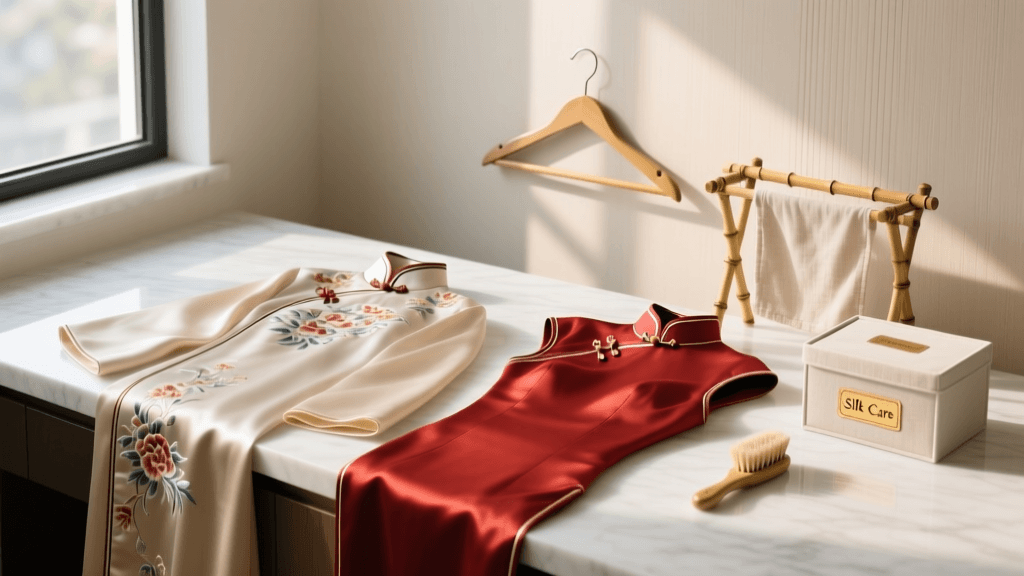
Proper care ensures your haori lasts for decades. The golden rule of Japanese garment care is to avoid wire hangers, which will distort the shoulder seams and leave permanent rust marks on delicate silks.
Storage: Use wide, padded wooden hangers to support the weight of the garment. If closet space is limited, learn the hondatami method—the traditional Japanese folding technique. This method folds the garment along its seams into a neat, flat rectangle, preventing creases and protecting the fabric from dust when stored in a drawer or tatoushi (paper wrapper).
Cleaning: Never wash vintage silk at home. Spot clean minor stains with a damp cloth and take the garment to a dry cleaner who has experience with delicate, lined garments. For cotton and linen haori, wash on a gentle cycle in cold water using a mild, pH-neutral detergent, and lay flat to dry to prevent the lining from shrinking at a different rate than the outer shell.
Airing Out: Japanese tradition dictates that garments should be aired out in the shade during the dry, breezy days of late autumn and early spring. This prevents mold and musty odors from developing in the lining, keeping your haori fresh and ready for your next everyday adventure.