The Ultimate Hanfu & Qipao Care Guide: Wash, Store, Preserve
Introduction to Traditional Garment Care
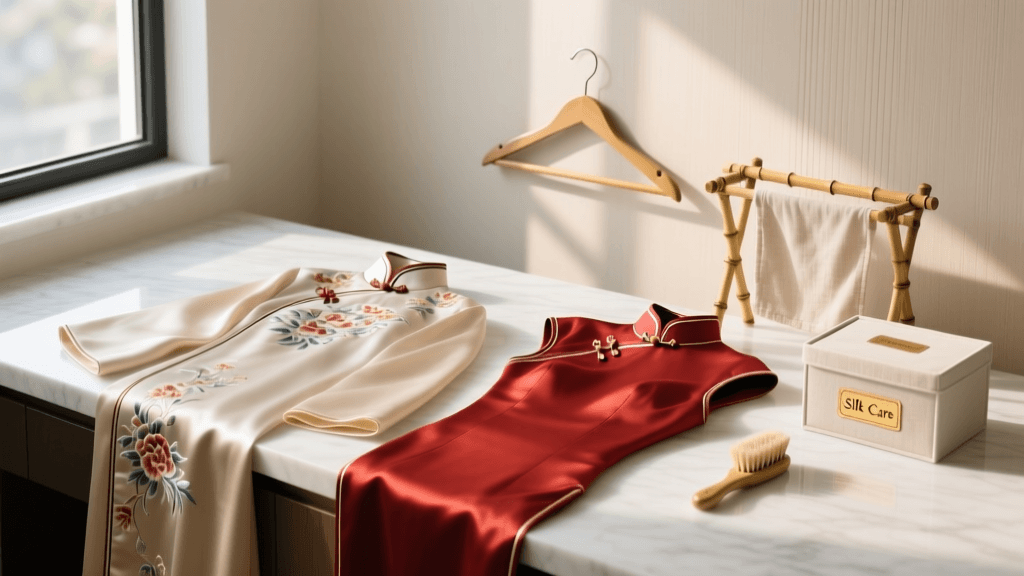
The global renaissance of traditional Chinese clothing, from the flowing sleeves of Ming Dynasty Hanfu to the tailored elegance of the modern Qipao (Cheongsam) and the contemporary Xin Zhongshi (New Chinese Style) movement, has brought exquisite garments into everyday wardrobes. However, owning these pieces comes with a significant responsibility: proper garment care. Traditional Asian textiles often feature delicate protein fibers, intricate embroidery, and specialized metallic threads that require specific handling to maintain their structural integrity and vibrant colors.
Whether you are investing in a high-end mulberry silk Ruqun or a daily-wear polyester chiffon Aoqun, understanding the science of textile conservation is essential. According to guidelines from the Metropolitan Museum of Art's Textile Conservation Department, environmental factors, improper cleaning agents, and poor storage are the primary culprits behind the degradation of historic and delicate fabrics. This comprehensive guide provides actionable, step-by-step instructions to help you wash, dry, iron, and store your traditional garments, ensuring they remain pristine for years to come.
Step 1: Identify Your Fabric Composition
Before introducing any water or cleaning agents to your Hanfu or Qipao, you must accurately identify the fabric. The care protocol for natural protein fibers differs vastly from that of synthetic polymers.
- Mulberry Silk (Sang蚕丝): The gold standard for high-end Hanfu and Qipao. It is a delicate protein fiber that loses up to 20% of its tensile strength when wet. It is highly sensitive to alkaline substances and heat.
- Synthetic Chiffon & Organza (Polyester): Widely used in affordable, daily-wear Hanfu. These are highly durable, resistant to shrinking, and can withstand gentle machine washing, though they are prone to heat damage and melting under high-temperature irons.
- Cotton and Linen Blends: Common in Song Dynasty-style Beizi and summer Qipao. These plant-based cellulose fibers are robust but prone to severe wrinkling and shrinkage if exposed to hot water.
- Brocade and Jacquard (Zhuanghua/Zhijin): Often woven with metallic threads (panjin) or featuring heavy, raised patterns. These should almost never be submerged in water, as the metallic threads can tarnish and the heavy weave can distort.
Step 2: Washing Techniques and Recommended Products
Hand-Washing Silk and Delicate Blends
For genuine silk Hanfu and Qipao, hand-washing is the only safe home-cleaning method. The American Institute for Conservation (AIC) Wiki emphasizes that protein-based fibers like silk are highly susceptible to alkaline damage, which strips the natural sericin coating, leading to brittleness and color loss.
- Water Temperature: Fill a clean basin with cold or lukewarm water, strictly below 30°C (86°F). Hot water will cause silk dyes to bleed and fibers to contract.
- Detergent Selection: Use a pH-neutral, enzyme-free detergent. Excellent commercial options include Eucalan Fine Fabric Wash (approx. $15 for 16oz) or The Laundress Delicate Wash (approx. $24). Never use standard laundry detergents, bleach, or fabric softeners.
- The Wash Process: Submerge the garment and gently agitate the water with your hands for 3 to 5 minutes. Do not scrub, twist, or wring the fabric. For localized sweat stains on the collar, gently massage a drop of detergent into the area with your fingertips.
- Rinsing: Drain the soapy water and refill with cool water. Repeat until the water runs completely clear. Adding a tablespoon of white vinegar to the final rinse can help restore the silk's natural pH and enhance its luster.
Caring for Synthetic and Cotton Hanfu
Polyester Hanfu can be machine-washed if placed inside a fine mesh laundry bag to prevent snags from zippers or hooks. Use the 'Delicate' or 'Hand Wash' cycle with cold water. Cotton and linen garments should be washed separately to avoid dye transfer and washed in cold water to minimize shrinkage.
Step 3: Drying and Ironing Protocols
Improper drying is where most garment damage occurs. Never hang a wet silk Hanfu or Qipao on a hanger; the weight of the water will stretch the fibers, permanently distorting the shoulder seams and hemlines.
The Towel Roll Method
Lay the washed garment flat on a clean, dry, colorfast cotton towel. Roll the towel and garment together into a 'burrito' and press gently to absorb excess moisture. Unroll and transfer the damp garment to a flat mesh drying rack, away from direct sunlight, which causes UV fading and fiber degradation. Allow 12 to 24 hours for complete air drying.
Ironing and Steaming
Traditional garments require precise heat management. Always iron garments while they are slightly damp or use a spray bottle to mist them lightly. Always use a cotton pressing cloth between the iron and the garment to prevent shine marks and scorching.
- Silk: Set iron to 'Silk' or 'Low' (approx. 110°C / 230°F). Iron on the reverse side.
- Synthetics: Set iron to 'Synthetic' or 'Low-Medium' (approx. 130°C / 265°F). High heat will melt polyester chiffon instantly.
- Steamers: A handheld garment steamer is highly recommended for Qipao and Hanfu skirts, as it removes wrinkles without applying direct pressure to delicate embroidery.
Step 4: Managing Embroidery and Metallic Threads
Many Ming Dynasty-style Aoqun and formal Qipao feature Suzhou embroidery or metallic gold and silver threads. Submerging these in water can cause the metallic elements to oxidize and tarnish, turning black or green. For heavily embroidered pieces, professional dry cleaning is recommended, though it comes at a premium cost (typically $25 to $60 per garment depending on your region). If you must spot-clean at home, use a cotton swab dipped in micellar water or a specialized dry-cleaning sponge to gently lift dirt from the embroidered areas without wetting the metallic threads.
Fabric Care Comparison Chart
| Fabric Type | Wash Method | Water Temp | Iron Temp | Storage Recommendation |
|---|---|---|---|---|
| Mulberry Silk | Hand wash only (pH-neutral) | Cold (Max 30°C) | Low (110°C) + Press Cloth | Fold with acid-free tissue |
| Polyester Chiffon | Machine (Delicate) / Hand | Cold | Low (130°C) / Steam | Padded hanger or fold |
| Cotton / Linen | Machine (Gentle) / Hand | Cold | High (200°C) with steam | Breathable cotton bag |
| Brocade / Metallic | Spot clean / Dry Clean Only | N/A | Steam only (no direct heat) | Fold, avoid creasing threads |
Step 5: Long-Term Storage and Pest Prevention
How you store your Hanfu and Qipao during off-seasons is just as critical as how you wash them. The goal is to prevent structural stress, moisture buildup, and pest infestations.
Hangers vs. Folding
Avoid wire hangers at all costs; they create sharp stress points that tear silk and distort the shoulders of Qipao. If hanging, use wide, padded satin hangers. However, for heavy Hanfu skirts (like Mamianqun) and heavily embroidered jackets, folding is the superior method to prevent gravity-induced stretching.
When folding, line the storage box with acid-free, unbuffered tissue paper (approx. $15 for a pack of 50 sheets). Stuff the sleeves and bodices with crumpled tissue to maintain their three-dimensional shape and prevent hard creases that can eventually snap silk fibers.
Pest Control Without Chemicals
Silk and wool are prime targets for clothes moths and carpet beetles. Never use traditional naphthalene mothballs. The chemical fumes react with protein fibers, causing yellowing and irreversible weakening of the textile. Instead, utilize natural cedarwood blocks or rings. Cedar naturally repels insects and absorbs excess moisture. Sand the cedar blocks lightly every six months to refresh their natural oils, and store your garments in breathable cotton canvas storage bags rather than sealed plastic bins, which can trap humidity and promote mold growth.
"Proper storage is an active form of conservation. By controlling the micro-environment around a textile through the use of acid-free materials and natural pest deterrents, collectors can extend the lifespan of delicate garments by decades." — Adapted from textile conservation best practices.
Stain Removal Quick Guide
Accidents happen, especially during festivals and tea ceremonies. Quick action is vital:
- Sweat and Deodorant Stains: Mix a 1:1 solution of distilled white vinegar and cold water. Dab gently with a microfiber cloth. The mild acid breaks down the alkaline salts in sweat.
- Oil and Food Grease: Immediately cover the stain with cornstarch or talcum powder. Let it sit for 30 minutes to absorb the oil, then brush it off gently before washing.
- Makeup and Lipstick: Use a cotton swab dipped in micellar water or a specialized silk stain remover. Blot from the outside of the stain inward to prevent spreading.
Conclusion
Caring for Hanfu, Qipao, and Xin Zhongshi garments is a rewarding practice that connects you deeply with the craftsmanship of traditional Asian textiles. By respecting the unique properties of silk, utilizing pH-neutral products, and employing archival storage techniques, you ensure that these beautiful cultural artifacts remain vibrant and wearable for generations. Treat your garments with patience, and they will continue to tell their stories through every fold and stitch.