The Ultimate Guide to Japanese Wedding Kimono Traditions
Introduction to Japanese Bridal and Ceremonial Attire
Japanese weddings are a masterclass in aesthetic symbolism, where every fold, color, and motif carries centuries of cultural weight. At the heart of these celebrations is the bridal kimono, a garment that transcends mere clothing to become a wearable canvas of auspicious wishes, familial pride, and artistic mastery. Unlike Western bridal fashion, which typically centers on a single white gown, a traditional Japanese bride may change outfits multiple times throughout her wedding day, with each ensemble serving a distinct ceremonial purpose. According to the Metropolitan Museum of Art, the evolution of the kimono from the Heian period to the modern era reflects a deep-seated cultural emphasis on seasonal awareness, social status, and ritual purity. For modern couples and wedding planners looking to incorporate or understand these traditions, navigating the world of ceremonial kimono requires an appreciation of both historical context and practical logistics.
The Shiromuku: Purity in Pure White
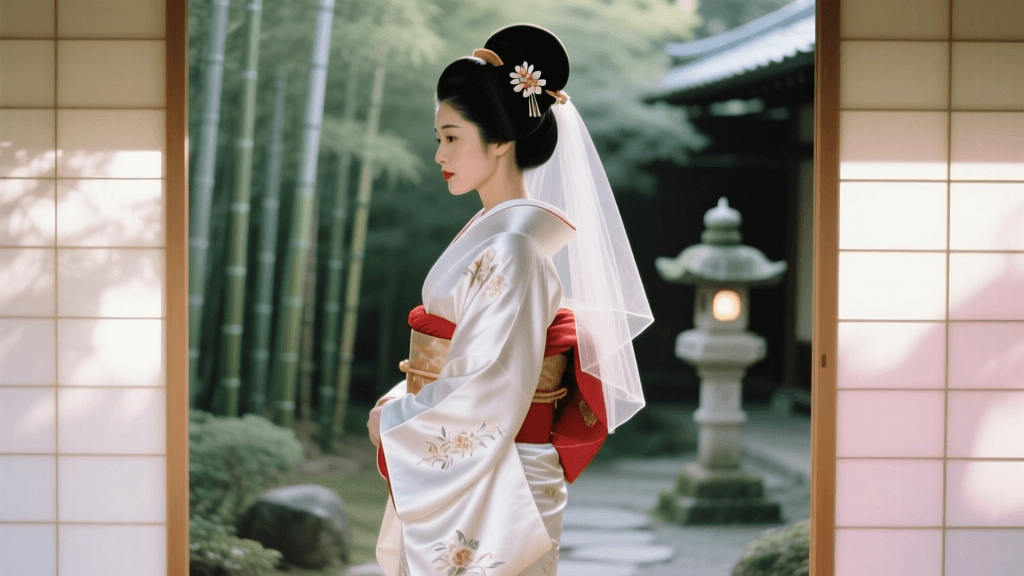
The shiromuku (literally 'pure white') is the most formal and traditional wedding kimono, worn exclusively during the Shinto wedding ceremony (shinzen shiki). The entire ensemble—from the outer robe (uchikake) to the inner layers (kakeshita), the obi sash, and even the accessories—is pristine white. This color symbolizes the bride's purity, her maiden status, and her willingness to be 'dyed' in the colors and traditions of her new husband's family.
The shiromuku is heavily padded at the hem, a feature known as fukikaeshi, which gives the garment a majestic, bell-like silhouette and ensures it trails elegantly on the floor. Because the fabric is often intricately woven with subtle white-on-white patterns (such as cranes, pine trees, or plum blossoms), the texture and craftsmanship are paramount. The bride's head is adorned with either a wataboshi (a large, white, dome-shaped hood that hides the bride's face from everyone except her groom) or a tsunokakushi (a smaller, rectangular white cap that symbolically 'hides the horns' of jealousy and ego, signifying her resolve to become a gentle and obedient wife).
The Iro-Uchikake: A Burst of Color and Auspicious Motifs
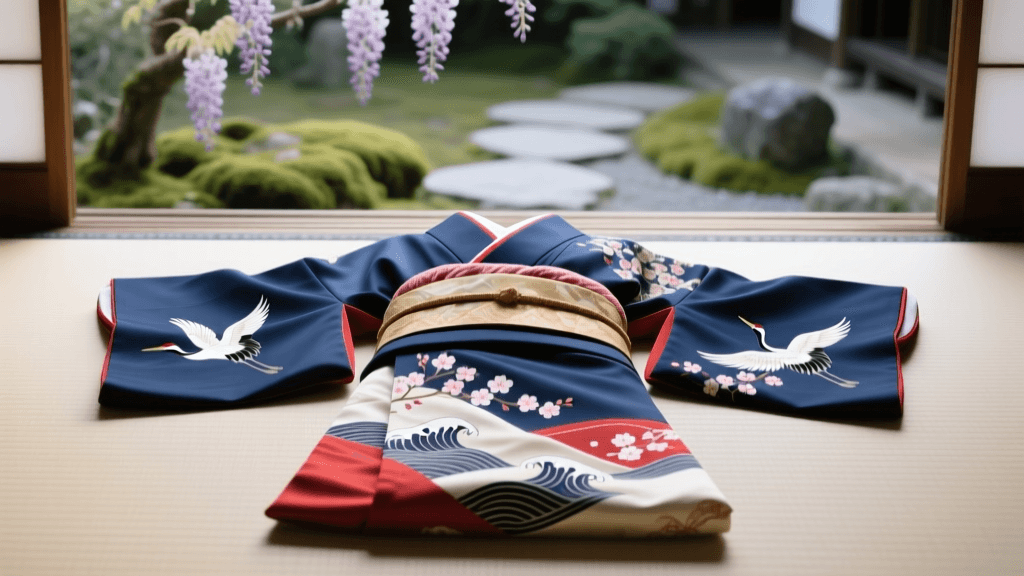
Following the solemn Shinto ritual, the bride typically changes into an iro-uchikake (colored outer robe) for the wedding reception (hiroen). If the shiromuku represents purity and departure, the iro-uchikake represents celebration, vitality, and the joyous beginning of a new life. While red and gold are the most traditional and popular colors—symbolizing good fortune, warding off evil spirits, and bringing prosperity—modern brides often opt for deep purples, emerald greens, or even black bases accented with vibrant embroidery.
The iro-uchikake is a showcase of Japan's premier textile arts. As noted by the Victoria and Albert Museum, techniques like yuzen (resist dyeing) and shishu (Japanese embroidery) are utilized to create breathtaking landscapes across the back and hem of the garment. Auspicious motifs are strictly chosen: the tsuru (crane) represents longevity and marital fidelity, as cranes are believed to mate for life; the matsu (pine), take (bamboo), and ume (plum blossom) collectively form the shochikubai motif, representing resilience, flexibility, and beauty in the face of adversity.
The Kurotomesode: The Married Woman's Formal Ceremonial Kimono
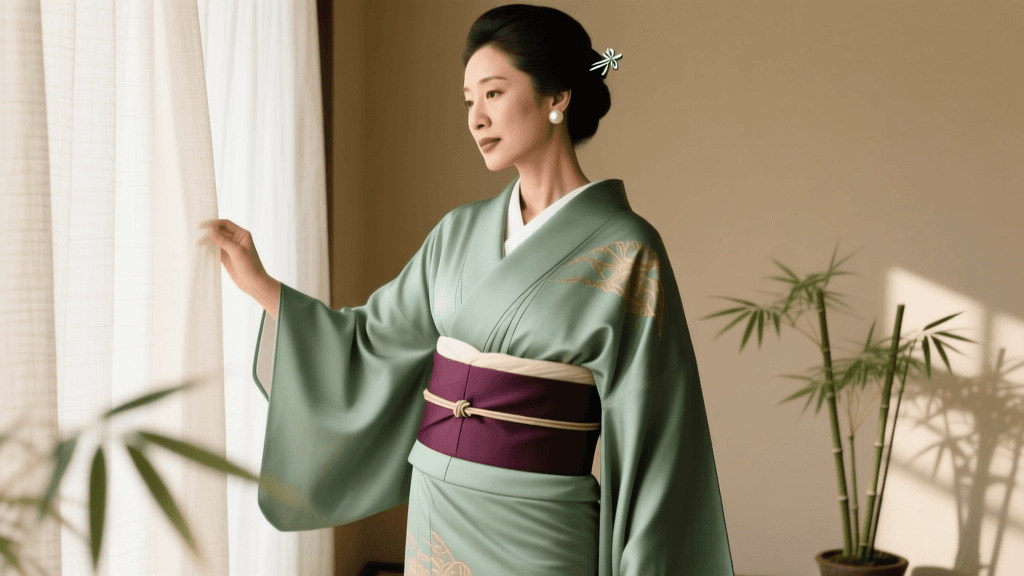
While the bride commands the spotlight, the mothers of the bride and groom adhere to strict sartorial rules, typically wearing the kurotomesode. This is the most formal kimono for a married woman. It is characterized by its solid black silk base and the presence of five family crests (kamon) placed on the back, chest, and sleeves. The designs are confined to the lower half of the garment below the obi, often featuring elegant, continuous landscapes or auspicious patterns like gold-leaf clouds and bamboo.
Unmarried female relatives or close friends of the bride may wear a furisode (a kimono with long, swinging sleeves), while married female guests of high status might opt for an edotomesode or a houmongi (visiting kimono). Understanding these distinctions is crucial for any guest attending a traditional Japanese wedding to ensure proper etiquette is maintained.
Practical Guide: Renting vs. Buying a Wedding Kimono
For brides planning a traditional Japanese wedding, deciding whether to rent or purchase a kimono is one of the first major logistical hurdles. Given the exorbitant costs of hand-crafted silk and the specialized storage required, renting is the most popular choice. However, purchasing is an option for those who view the garment as a generational heirloom. The Japan National Tourism Organization highlights that traditional clothing remains a vital, living part of Japanese culture, supported by a robust rental and styling industry that makes these garments accessible for once-in-a-lifetime events.
Cost Breakdown and Timeline Table
| Garment Type | Primary Occasion | Avg. Rental Cost (USD) | Avg. Purchase Cost (USD) | Dressing Time |
|---|---|---|---|---|
| Shiromuku | Shinto Ceremony | $800 - $1,500 | $3,000 - $15,000+ | 60 - 90 mins |
| Iro-Uchikake | Wedding Reception | $600 - $1,200 | $2,500 - $10,000+ | 45 - 60 mins |
| Kurotomesode | Mothers / VIP Guests | $150 - $300 | $800 - $4,000 | 30 - 45 mins |
| Furisode | Unmarried Female Guests | $100 - $250 | $600 - $3,000 | 30 - 45 mins |
Actionable Advice for Brides and Planners
- Book Early: Secure your kimono rental or bespoke commission at least 6 to 9 months before the wedding date. High-end bridal salons in cities like Kyoto and Tokyo book out quickly, especially during the peak autumn wedding season (October-November).
- Schedule a Trial Fitting: Never skip the kitsuke (dressing) trial. This ensures the salon has your exact measurements for the hadajuban (undergarments) and allows you to test the weight of the ensemble. A full shiromuku can weigh between 5 to 8 kilograms (11 to 17 lbs).
- Manage Your Meals: On the wedding day, eat a light, easily digestible meal before dressing. The obi and the binding cloths (koshihimo) are tied tightly to create the signature cylindrical silhouette, which severely restricts deep breathing and digestion.
- Plan for Quick Changes: The transition from shiromuku to iro-uchikake requires a complete re-dressing. Allocate at least 45 minutes in your reception timeline for the bride's oironaoshi (outfit change), including hair and makeup adjustments.
Essential Accessories for the Bridal Ensemble
The kimono is only one part of the bridal ensemble. The accessories are equally symbolic and meticulously chosen:
- Kanzashi: These are elaborate hair ornaments. For a shiromuku, brides wear white silk flowers or tortoiseshell pins. For the iro-uchikake, the kanzashi become larger, more colorful, and may include dangling metal elements that chime softly when the bride moves.
- Sensu: A folding fan, usually gold or silver, held by the bride during the Shinto ceremony. It represents the opening of one's future and the spreading of good fortune.
- Zori and Tabi: The bride wears pristine white tabi (split-toe socks) and zori (formal sandals) with thick, padded straps. The height of the zori elevates the bride, preventing the heavy, padded hem of the uchikake from dragging on the ground.
- Kaiken: A small, ornamental dagger tucked into the obi. Historically carried by samurai women for self-defense, today it serves as a talisman to ward off evil spirits and symbolizes the bride's resolve to protect her new family.
Dressing Etiquette and the Role of the Kitsuke-shi
Putting on a formal wedding kimono is not a task one can accomplish alone; it requires a licensed professional known as a kitsuke-shi (kimono dresser). The process begins with the hadajuban and susoyoke (undergarments), followed by the application of padding to smooth out the body's natural curves, as the ideal kimono silhouette is straight and tubular. The dresser uses multiple koshihimo (thin binding sashes) to secure the layers before tying the elaborate obi knot—often a bunko (box) or taiko (drum) knot, though bridal obi knots are highly decorative and complex.
'The art of kitsuke is as much about engineering as it is about aesthetics. The dresser must distribute the weight of the heavy silk and brocade evenly across the bride's shoulders and hips, ensuring she can walk, sit, and perform ritual bows without the garment shifting or unraveling.'
Preserving the Craft in Modern Times
While Western-style white wedding dresses have surged in popularity in Japan since the late 20th century, the traditional kimono remains a vital pillar of the wedding industry. Many modern brides opt for a dual-ceremony approach: wearing a white dress for a Christian-style chapel ceremony and a photo shoot, followed by a change into a vibrant iro-uchikake for the reception. This fusion allows couples to honor their heritage while embracing global fashion trends. Furthermore, the demand for vintage and upcycled kimono is growing among eco-conscious couples, who seek out antique Taisho-era (1912-1926) uchikake for their unique, romantic color palettes and historical resonance.
Conclusion
The Japanese wedding kimono is far more than a beautiful garment; it is a profound expression of cultural identity, familial bonds, and artistic heritage. Whether draped in the blinding purity of a shiromuku or the jubilant colors of an iro-uchikake, the bride becomes a living embodiment of Japan's textile history. For those planning a traditional wedding, understanding the nuances of these garments—from the symbolic motifs to the physical realities of wearing them—ensures a celebration that is as respectful of the past as it is joyous for the future.