Modern Kimono Styling Guide: Wear Traditional Garments Today
Introduction to Modern Kimono Styling
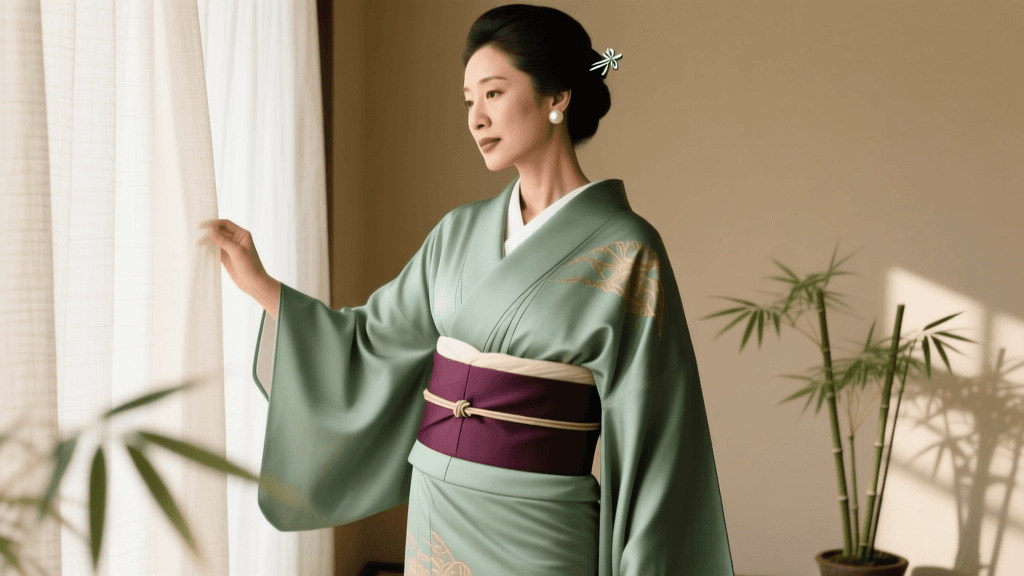
The kimono is often perceived strictly as a ceremonial garment, reserved for coming-of-age ceremonies, traditional tea ceremonies, or shrine visits. However, a quiet revolution in Japanese fashion has brought the kimono back into the contemporary spotlight. Today, fashion-forward individuals and cultural enthusiasts are styling traditional Japanese garments for modern occasions, from black-tie weddings and corporate galas to contemporary art openings and fashion week events. By blending centuries-old textile artistry with modern aesthetics, the kimono proves to be a versatile, sustainable, and deeply expressive wardrobe staple.
According to the Victoria and Albert Museum, the kimono has continuously evolved, influencing global fashion while adapting to the modern lifestyles of its wearers. This guide provides practical, actionable advice on how to select, style, and wear a kimono for contemporary events, ensuring you honor tradition while embracing modern elegance.
Selecting the Right Kimono for Contemporary Events
The foundation of kimono styling lies in understanding formality levels. The Japanese concept of TPO (Time, Place, Occasion) is critical. Wearing a highly formal garment to a casual mixer can feel out of place, just as wearing a casual cotton yukata to a wedding is a major faux pas.
Black-Tie Weddings and Galas: Houmongi and Furisode
For high-formality evening events, the Houmongi (visiting kimono) is the premier choice for married and unmarried women alike. Characterized by continuous patterns that flow across the seams, a silk Houmongi exudes luxury. For unmarried women attending a wedding as a guest, a Furisode (long-sleeved kimono) with moderate patterns is appropriate, though full-blown bridal Furisode should be avoided so as not to outshine the bride. Men should opt for a black Montsuki Haori Hakama ensemble, which equates to a Western tuxedo in formality.
Corporate Dinners and Semi-Formal Gatherings: Tsukesage and Edo Komon
For gallery dinners, theater outings, or upscale corporate events, the Tsukesage is an excellent choice. It features patterns that are dyed primarily on the upper half of the garment and the lower hem, but do not cross the seams. Another sophisticated option is Edo Komon, a kimono dyed with micro-patterns that appear solid from a distance but reveal intricate geometric or nature-inspired motifs up close. This subtlety is perfect for professional environments where understated elegance is key.
Art Openings and Creative Mixers: Komon and Tsumugi
Creative industries and casual-chic events allow for greater personal expression. A Komon (kimono with a repeating all-over pattern) or Tsumugi (woven silk with a slightly rustic, textured feel) can be styled with modern accessories. Tsumugi, despite being made of luxurious silk, is historically considered casual wear due to its origins as peasant clothing, making it a brilliant, comfortable choice for daytime festivals, casual dinners, or weekend gallery hopping.
Modern Obi Styling: Tradition Meets Convenience
The obi (sash) is the focal point of the kimono. A standard Fukuro obi used for formal wear measures approximately 31 cm in width and 4.2 meters in length. Tying a traditional Fukuro obi requires precision, strength, and often the assistance of a professional kitsuke (dresser). For modern wearers attending events without a dressing team, the Tsuke-obi (pre-tied obi) is a revolutionary alternative.
Tsuke-obi are pre-arranged bows that attach to a separate obi belt using clips or hooks. Modern iterations are crafted from high-quality silk and brocade, making them virtually indistinguishable from traditionally tied obi to the untrained eye. They save time, reduce physical strain, and allow for easy bathroom breaks during long galas.
| Obi Style | Formality Level | Best Modern Occasion | Styling Note |
|---|---|---|---|
| Fukuro Obi (Nijudaiko Knot) | High Formal | Weddings, State Dinners | Requires professional dressing; features a smooth, double-layered back bow. |
| Nagoya Obi (Otaiko Knot) | Semi-Formal | Theater, Corporate Dinners | Easier to tie; features a single-layer drum bow. Ideal for Tsukesage. |
| Hanhaba Obi (Bunko Knot) | Casual | Art Openings, Casual Mixers | Half-width obi; allows for playful, asymmetrical bows. Pairs well with Komon. |
| Tsuke-obi (Pre-tied) | Variable | Any event requiring quick changes | Modern convenience; secure with an obi-plate and clips for all-day wear. |
Contemporary Accessories: Blending Eras
One of the most exciting aspects of modern kimono styling is the integration of contemporary accessories. While traditional zori (sandals) and tabi (split-toe socks) remain the standard, modern fashionistas are rewriting the rules.
- Footwear: For winter events or avant-garde fashion gatherings, pairing a wool or heavy silk Komon with sleek, minimalist leather ankle boots is a growing trend in Harajuku and Omotesando. If wearing traditional zori, opt for modern materials like patent leather or velvet for the hanao (thongs) to elevate the look.
- Obidome and Obijime: The obijime is the decorative cord tied over the obi. Instead of traditional braided silk cords, modern stylists often use vintage pearl necklaces or thin leather braids. The obidome (the clasp on the cord) can be replaced with antique European brooches, cameo pendants, or modern minimalist metal sculptures.
- Bags: While a traditional shigen (woven bag) is appropriate for tea ceremonies, a structured modern leather clutch or a minimalist metallic evening bag is highly recommended for black-tie weddings and galas. Ensure the bag is small enough to be carried by hand or tucked into the kimono sleeve (tamoto).
Practical Guide: Renting vs. Buying for Modern Events
Deciding whether to rent or purchase depends on your budget, the frequency of your events, and your storage capabilities. Silk kimono require meticulous care, including specialized dry cleaning (maruarai) and climate-controlled storage to prevent mold and silk degradation.
Cost and Timing Breakdown
- Renting: Ideal for one-off events like a wedding. A full formal rental package (Houmongi, Fukuro obi, accessories, and dressing service) typically costs between $80 and $150 USD. Timing: Book at least 2 to 3 months in advance, especially during peak seasons like cherry blossom (April) or autumn foliage (November).
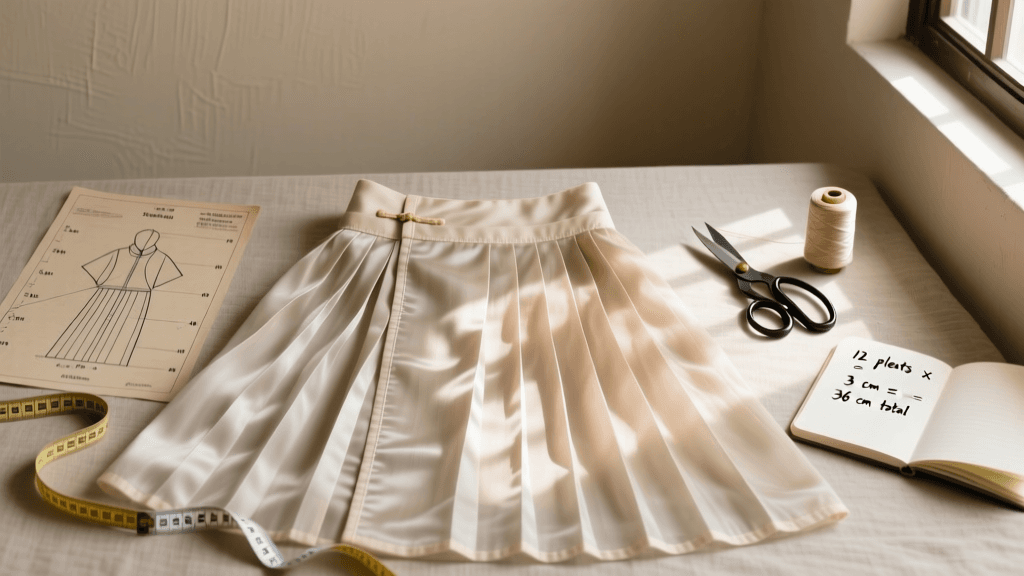
- Buying Vintage: The secondary market is a treasure trove for modern stylists. A high-quality vintage silk Komon or Tsukesage can be purchased for $50 to $200 USD. Measurements: Always check the mitake (length). The kimono should ideally be your height plus 10-15 cm to allow for the ohashori (the waist fold). Standard panel width is about 36 cm, which accommodates hip measurements up to roughly 105 cm.
- Buying New Custom: A brand new, custom-tailored silk Houmongi from a Kyoto artisan can cost anywhere from $2,000 to over $10,000 USD, with a lead time of 3 to 6 months. This is an investment piece meant for lifelong wear and eventual inheritance.
Seasonality and Modern Etiquette
Even in modern styling, the Japanese reverence for the seasons remains non-negotiable. The Metropolitan Museum of Art notes that the structural and aesthetic design of the kimono is intrinsically linked to the natural calendar.
'The kimono is not merely a garment; it is a canvas that reflects the fleeting beauty of the seasons, the status of the wearer, and the poetry of the moment.' - Curatorial Department of Asian Art, The Metropolitan Museum of Art.
From October to May, wear an Awase (lined kimono). From June to September, transition to a Hitoe (unlined) or Usumono (sheer gauze) kimono. Wearing a lined kimono in the sweltering heat of August is considered a major stylistic and cultural error. Furthermore, motifs must precede the season: cherry blossoms should be worn in early spring before they fall, and maple leaves in late autumn before they drop entirely.
Finally, the golden rule of kimono etiquette remains absolute, regardless of how avant-garde your styling may be: always wrap the left side of the kimono over the right. Wrapping right-over-left is strictly reserved for dressing the deceased for burial. By mastering these foundational rules, you can confidently experiment with modern accessories, contemporary obi knots, and cross-cultural fashion pairings, ensuring the kimono remains a living, breathing art form in the 21st century.