DIY Hanfu Sewing: Fabric and Patterns for the Mamianqun
The Renaissance of the Mamianqun in Modern Hanfu
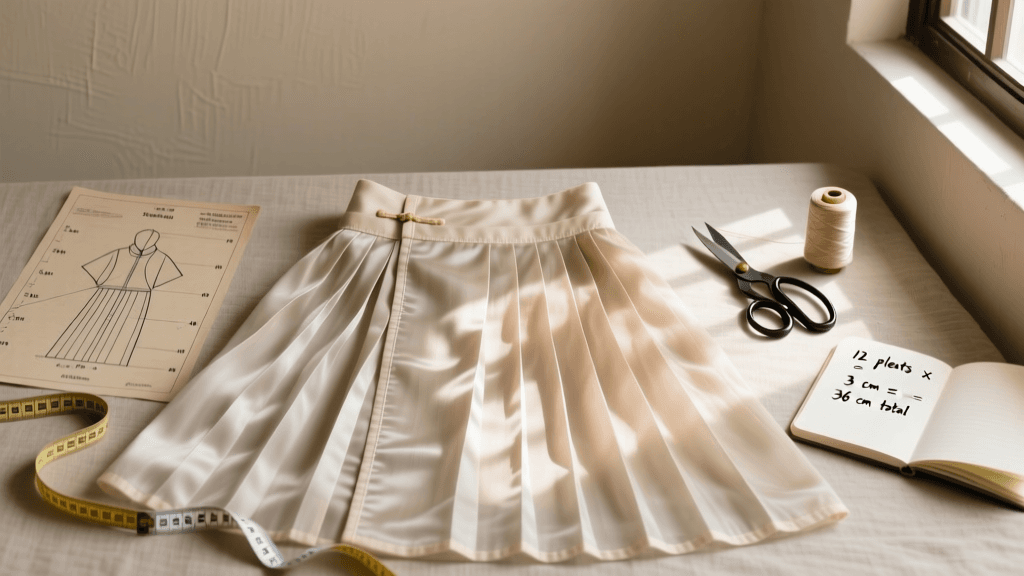
The global Hanfu movement has sparked a profound revival of traditional Chinese clothing, with the Mamianqun (horse-face skirt) emerging as one of the most iconic and versatile garments. Originating in the Song Dynasty and reaching its zenith during the Ming Dynasty, the Mamianqun is characterized by its flat, unpleated front and back panels (the "horse faces") flanked by intricate, structured knife pleats. For DIY enthusiasts and historical fashion sewists, creating a Mamianqun is a rewarding project that bridges historical craftsmanship with modern wardrobe styling.
Unlike Western corsetry or tailored skirts that rely on complex darts and zippers, the Mamianqun is a wrap skirt secured entirely by long, elegant ties. This makes it highly forgiving for beginners, though the precise mathematics of the pleats and the selection of the correct fabric drape require careful attention. In this comprehensive guide, we will walk you through the exact measurements, fabric selection, and step-by-step sewing process required to draft and construct your own authentic Ming-style Mamianqun.
Selecting the Right Fabric for Historical Drape
The silhouette of a Hanfu skirt relies entirely on the weight, drape, and memory of the fabric. A fabric that is too stiff will cause the skirt to flare out awkwardly, while a fabric that is too flimsy will fail to hold the sharp, structured pleats that define the Mamianqun. Historically, wealthy citizens utilized heavy silk brocades and damasks, while commoners relied on hemp, ramie, and cotton.
The production of these luxurious materials is deeply rooted in history. As noted by The Metropolitan Museum of Art, silk has been a cornerstone of Chinese textile history and global trade for millennia, prized for its ability to hold intricate weaves and vibrant dyes. Recognizing this profound legacy, UNESCO inscribed Chinese sericulture and silk craftsmanship on the Representative List of the Intangible Cultural Heritage of Humanity, highlighting the meticulous traditional methods of silk production that still influence modern textile choices today.
Fabric Comparison Chart for Mamianqun
| Fabric Type | Drape & Pleat Memory | Approx. Cost (per yard) | Sewing Difficulty | Best For |
|---|---|---|---|---|
| Silk Brocade / Damask | Excellent weight, holds sharp pleats beautifully | $45 - $90+ | High (slippery, frays easily) | Formal events, winter wear, historical accuracy |
| Polyester Jacquard | Good weight, exceptional pleat memory with heat | $12 - $20 | Medium (stable, easy to press) | Everyday wear, beginners, budget-friendly projects |
| Cotton-Linen Blend | Medium drape, softer pleats, breathable | $8 - $15 | Low (very stable, easy to sew) | Summer wear, casual styling, Song-style aesthetics |
| Silk Chiffon / Organza | Ethereal drape, poor pleat memory without lining | $20 - $40 | High (shifting, requires French seams) | Layering, spring/summer fairy-like aesthetics |
Pro Tip: For your first DIY Mamianqun, a mid-weight Polyester Jacquard or a Cotton-Linen blend is highly recommended. They offer the stability needed for pleating without the frustration of managing fraying silk edges.
Essential Measurements and Pattern Math
The Mamianqun is constructed from two identical, wide rectangular panels that overlap at the sides. There are no curved seams or darts. To draft your pattern, you need three primary measurements:
- Waist Circumference (W): Measure where you want the skirt to sit (typically the natural waist or slightly above the hips).
- Desired Skirt Length (L): Measure from your waist down to your ankle or floor, depending on your styling preference.
- Pleat Depth (P): Standard historical pleats range from 3 cm to 5 cm wide when folded.
The Yardage Formula
To achieve the signature "swing" of the skirt, the total width of the fabric must be substantial. A standard modern Mamianqun requires roughly 3 to 4.5 meters of fabric in total width across both panels. If you are using standard 150 cm (60-inch) wide fabric, you will need to buy 3 meters (approx. 3.3 yards) of fabric.
Cutting the Panels:
Cut your 3 meters of fabric into two equal pieces, each measuring 1.5 meters wide by your desired Skirt Length (L). Each 1.5-meter panel will be divided into three sections:
- The Front/Back Flat Panel (Horse Face): This should be roughly (W / 2) + 5 cm for overlap. For a 70 cm waist, the flat panel is about 40 cm wide.
- The Pleated Section: The remaining width on the left side of the panel.
- The Underlap Pleated Section: The remaining width on the right side of the panel.
Step-by-Step Sewing Guide
Constructing a Mamianqun is less about complex tailoring and more about precision pressing and patience. Set aside 8 to 12 hours for this project, dedicating the majority of your time to the ironing board.
Step 1: Hemming and Edge Finishing
Before you begin pleating, you must finish the raw edges. Hanfu skirts are often finished with a contrasting or complementary bias tape at the bottom hem, or a simple rolled hem. If using a cotton or linen blend, a 2 cm double-fold hem stitched with a blind hem or topstitch works perfectly. For the side edges of the panels, use a serger or a zigzag stitch to prevent fraying, as these edges will eventually be enclosed in the waistband.
Step 2: Calculating and Pressing the Pleats
This is the most critical phase. You will be creating standard knife pleats that all face the same direction, folding inward toward the center flat panel.
"The secret to a flawless Mamianqun lies not in the sewing machine, but in the steam iron. A wooden tailor's clapper is an absolute necessity to trap the steam and force the fabric fibers to memorize the sharp pleat lines."
Actionable Pleating Method:
- Mark your pleat lines on the wrong side of the fabric using tailor's chalk or a water-soluble pen. If your pleat depth is 4 cm, mark a line every 8 cm (4 cm for the fold, 4 cm for the underlay).
- Fold the fabric along the marks, bringing the chalk lines together.
- Press heavily with a steam iron, then immediately apply a wooden clapper to hold the heat and steam in the fabric until it cools completely.
- Basting: Once all pleats on both panels are pressed, run a basting stitch 1 cm from the top raw edge to lock the pleats in place before attaching the waistband.
Step 3: Constructing the Waistband and Ties
Unlike Western skirts, the Mamianqun waistband (often called the yaotou) is wide, stiff, and designed to grip the undergarments to prevent slipping. Cut a strip of sturdy cotton or linen, roughly 10 cm wide and equal to your Waist (W) + 10 cm for seam allowance. Fold it in half lengthwise and press.
For the ties, cut four long strips of fabric (or use pre-made silk ribbons) measuring at least 150 cm long and 4 cm wide. Fold and stitch them into long tubes, turning them right side out and pressing flat. Sandwich the ties between the folded waistband at the far left and right edges of your skirt panels, then stitch the waistband to the top edge of the skirt, enclosing the raw edges and pleat tops.
Sourcing Materials and Cost Breakdown
Sourcing authentic-looking textiles has never been easier thanks to global e-commerce. Platforms like AliExpress, Taobao (via agents like Superbuy or Wegobuy), and specialized Etsy sellers offer pre-woven jacquard fabrics featuring traditional Ming Dynasty motifs like woven gold mang (python) dragons, floral scrolls, and cloud patterns.
Estimated DIY Cost Breakdown:
- Fabric (3 yards of Poly-Jacquard): $45.00
- Waistband Interfacing & Cotton Lining: $10.00
- Silk Ribbons for Ties: $12.00
- Thread, Chalk, and Bias Tape: $8.00
- Total Estimated Cost: $75.00
Compared to purchasing a high-quality, ready-to-wear Mamianqun from a premium Hanfu brand (which typically ranges from $120 to over $250), sewing your own offers significant savings and the ability to customize the exact length and waist fit to your body.
Conclusion: Wearing Your Creation
To wear your finished Mamianqun, wrap the skirt around your body so that the flat "horse face" panels sit perfectly centered on your front and back. The pleated sections should overlap at your sides. Cross the long ties over your stomach, wrap them around your back, and tie them securely in a traditional double-loop knot or a simple bow at the side. Pair your handmade skirt with a crisp, white Shan (cross-collared top) or a modern fitted turtleneck for a stunning fusion of ancient Asian traditions and contemporary fashion. Through the mindful selection of fabrics and the meditative process of pleating, you are not just sewing a garment; you are participating in a living, breathing cultural heritage.