The Hanfu Revival: A Beginner's Guide to Authentic Styling
The Genesis of the Hanfu Yundong (Revival Movement)
The Hanfu revival movement, known domestically as the Hanfu Yundong, is far more than a fleeting fashion trend; it is a profound cultural renaissance. Sparked in 2003 when a man named Wang Letian wore a self-made, historically inspired Hanfu on the streets of Zhengzhou, the movement has blossomed into a massive cultural phenomenon. Today, it represents a generation's desire to reconnect with pre-Qing dynasty sartorial heritage. According to a report by Reuters, the Hanfu market has surged into a multi-billion-dollar industry, driven primarily by Gen Z consumers and social media platforms like Douyin and Xiaohongshu.
For modern enthusiasts, participating in this movement requires navigating a complex landscape of historical accuracy, dynastic silhouettes, and modern manufacturing. This guide provides actionable advice, cost breakdowns, and styling rules for beginners looking to build an authentic, historically grounded Hanfu wardrobe.
Decoding the Silhouettes: A Dynasty-by-Dynasty Guide
Hanfu is not a single monolithic garment but a diverse collection of clothing systems that evolved over three millennia. When entering the revival movement, most enthusiasts gravitate toward three highly documented and accessible dynastic styles:
Tang Dynasty (618–907 AD)
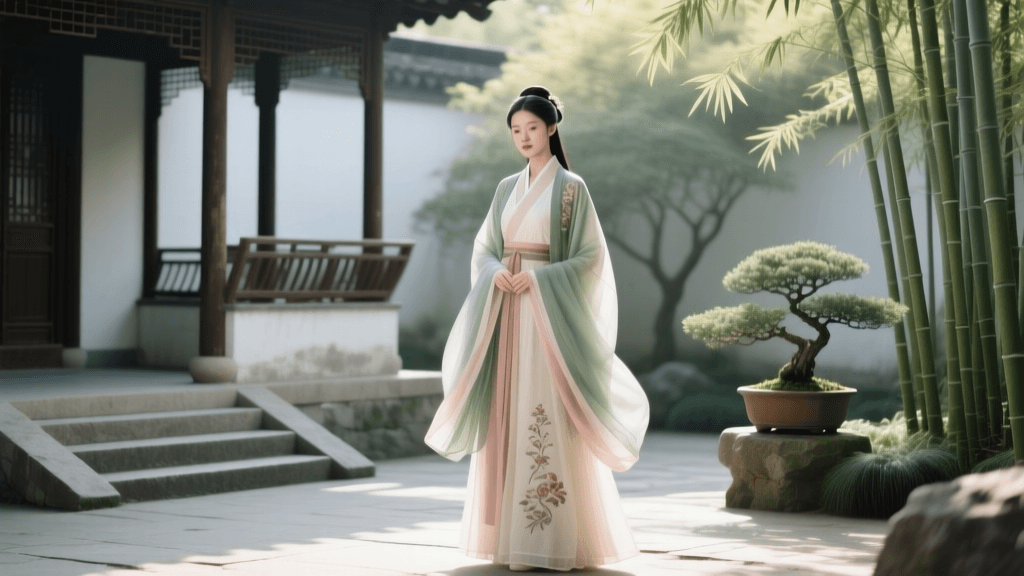
Known for its cosmopolitan flair and vibrant aesthetics, Tang Hanfu is characterized by the Qixiong Ruqun (chest-high skirt). This silhouette features a skirt tied high above the bust, often paired with a sheer, wide-sleeved jacket called a Daxiushan. It is ideal for summer festivals and photography, offering an ethereal, romantic look.
Song Dynasty (960–1279 AD)
Reacting against the opulence of the Tang, Song dynasty clothing embraced minimalism, elegance, and intellectual refinement. The quintessential garment is the Beizi, a long, parallel-collar jacket worn open over a camisole and skirt. Song Hanfu is highly practical for modern daily wear, functioning similarly to a lightweight duster or cardigan.
Ming Dynasty (1368–1644 AD)
Ming Hanfu represents the pinnacle of traditional Chinese textile craftsmanship. The defining silhouette is the Aoqun, consisting of a lined, high-collared or cross-collared jacket (Ao) paired with the iconic Mamianqun (horse-face skirt). The Mamianqun features flat front and back panels with heavily pleated sides, making it structured, modest, and incredibly versatile for modern winter and autumn styling.
Dynastic Comparison Chart
| Dynasty | Core Garment | Key Characteristics | Best Season | Est. Cost (USD) |
|---|---|---|---|---|
| Tang | Qixiong Ruqun | Chest-high skirt, wide sleeves, vibrant silks | Summer | $40 - $90 |
| Song | Beizi Set | Parallel collar, minimalist, slender silhouette | Spring/Autumn | $35 - $80 |
| Ming | Aoqun / Mamianqun | Horse-face skirt, structured jackets, woven gold | Autumn/Winter | $80 - $250+ |
Navigating the Market: Hanfu vs. Xianfu vs. Yinglou
A critical step in the Hanfu revival is learning to distinguish authentic historical clothing from modern costumes. The market is flooded with three distinct categories:
- Hanfu (汉服): Garments constructed using traditional flat-pattern cutting, historically accurate collars, and period-appropriate fabrics. This is the focus of the revival movement.
- Xianfu (仙服): Literally 'immortal clothing.' These are fantasy garments inspired by Xianxia (fantasy) television dramas. They often feature excessive layers of cheap tulle, non-historical corset-like bodices, and exaggerated trailing sleeves. While beautiful, they are not considered part of the historical revival.
- Yinglou (影楼): 'Photo studio' costumes. These are cheap, mass-produced garments made of shiny polyester, designed solely for tourist photo-ops. They lack structural integrity and historical accuracy.
Reputable Brands for Beginners
To ensure you are purchasing authentic Hanfu, look to established brands within the community. Shisanyu is an excellent entry-level brand offering historically grounded Song and Ming pieces at accessible prices ($30–$60). For mid-tier buyers, Zhongling offers beautiful woven Mamianqun skirts. For high-end, museum-quality Ming dynasty reproductions, Minghuatang is the gold standard, with custom pieces ranging from $300 to over $1,000.
Sizing, Measurements, and Tailoring
Unlike Western clothing, which relies on 3D tailoring to hug the body's curves, traditional Hanfu utilizes 2D flat-pattern cutting. The garment is shaped by how it is tied and draped over the body. Therefore, standard S/M/L sizing is often inadequate. When ordering from Taobao or specialized retailers, you must provide specific measurements:
- Bust and Waist: Crucial for the fit of the Ao (jacket) and the placement of the skirt tie.
- Arm Span: Traditional sleeves are measured from the center back of the neck to the fingertips. Many authentic Ming and Tang sleeves extend 10-15 cm past the fingertips to create the elegant 'swallowtail' drape.
- Skirt Length: Measure from your natural waist (or underbust for Tang styles) down to your ankle bone. A standard Mamianqun should graze the top of the foot without dragging on the floor.
Pro Tip: Always size up if you are between sizes. Hanfu is designed to have a relaxed, flowing fit; a garment that is too tight will cause the cross-collars to pull open and expose modern undergarments.
The Golden Rule of Etiquette: Jiaoling Youren
If there is one unbreakable rule in the Hanfu revival movement, it is the concept of Jiaoling Youren (交领右衽) — the cross-collar with the right lapel folded over the left. When you look down at your chest, the left side of the garment should cross over the right, forming a 'y' shape that points to your right side.
Wearing the left lapel over the right (Zuoren) is strictly reserved for the deceased in traditional Chinese funerary rites. Getting this wrong at a Hanfu gathering will immediately mark you as an uninformed tourist rather than a respectful participant in the revival.
Building Your First Wardrobe: An Action Plan
Ready to join the movement? Follow this practical roadmap to build your first authentic set:
1. Budgeting and Timing
Allocate between $100 and $150 for a complete, high-quality Ming dynasty Aoqun set (jacket, skirt, and inner shirt). To maximize your budget, time your purchases around major Chinese e-commerce festivals. Taobao's 618 Shopping Festival (mid-June) and Singles' Day (November 11th) offer the deepest discounts, often 20% to 30% off retail prices, along with exclusive limited-edition colorways.
2. Sourcing Undergarments
Authentic Hanfu requires specific foundational layers. Purchase a Moxiong (tube top) or a Zhongyi (inner cross-collar shirt) to wear beneath sheer Tang jackets or open Song Beizi. This ensures modesty while maintaining historical layering accuracy.
3. Garment Care and Maintenance
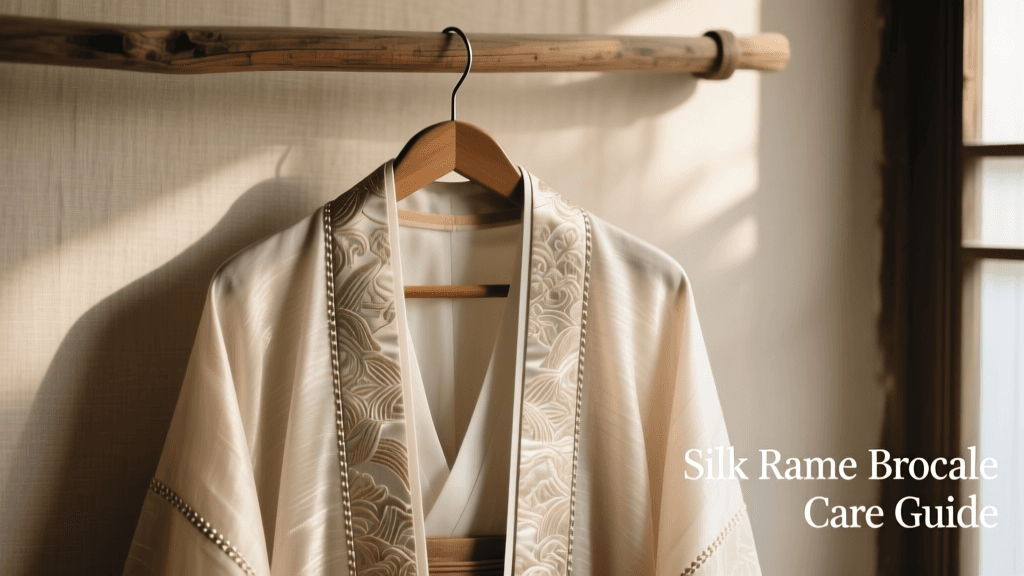
Modern Hanfu often blends traditional aesthetics with modern textiles like jacquard and polyester-blend brocades. However, the pleats of a Mamianqun require special care. Never machine wash or wring a horse-face skirt. Hand wash in cold water with a mild detergent, gently press out the water, and hang to dry using clips along the waistband to let gravity maintain the sharp pleats.
Conclusion
The Hanfu revival is a living, breathing movement that bridges the ancient and the modern. It is about more than just putting on old clothes; it is an active participation in cultural memory. As noted by BBC Culture, wearing Hanfu today is a powerful statement of identity, allowing young people to reclaim a sartorial past that was nearly lost to history. By understanding the silhouettes, respecting the etiquette, and investing in quality craftsmanship, you can step into the streets not just as a wearer of clothes, but as a custodian of Asian tradition.