The Modern Yukata: A Practical Guide to Casual Japanese Summer Wear
The Evolution of the Yukata: From Bathrobe to Streetwear
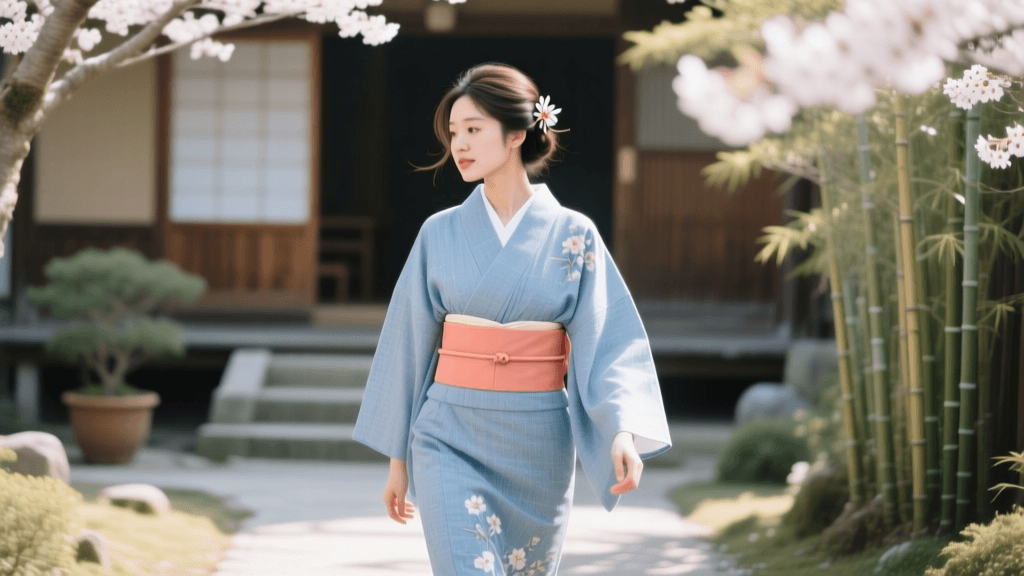
When discussing traditional Japanese clothing, the intricate, multi-layered silk kimono often dominates the global imagination. However, the true workhorse of Japan's everyday and casual traditional wardrobe—especially during the sweltering summer months—is the yukata. Originally conceived as a lightweight bathing robe for the nobility during the Heian period (794–1185), the yukata has evolved into a vibrant, accessible, and highly practical garment worn by people of all ages at summer festivals (matsuri), fireworks displays, and casual street outings.
According to the Metropolitan Museum of Art, the democratization of cotton during the Edo period allowed the yukata to transition from an aristocratic bathrobe to the everyday casual wear of the common people. Today, it remains the most approachable entry point into Japanese traditional dress, requiring no specialized undergarments, professional dressing assistance, or exorbitant financial investment.
Yukata vs. Kimono: Understanding the Differences
For those new to Japanese garments, distinguishing between a casual yukata and a formal kimono is essential for appropriate styling. The Victoria and Albert Museum (V&A) notes that while both share the same basic T-shaped silhouette, their construction, materials, and accompanying accessories differ vastly.
| Feature | Yukata (Casual) | Kimono (Formal/Semi-Formal) |
|---|---|---|
| Fabric | Cotton, linen, or polyester blends | Silk, wool, or high-end synthetic crepe |
| Undergarments | Worn directly over standard underwear or a simple cotton slip (juban) | Requires specialized under-kimono (nagajuban) and collar (han-eri) |
| Collar Style | Single layer, worn relatively open at the nape | Multiple layers, showing the white under-collar |
| Footwear | Bare feet with wooden geta clogs | Tabi socks required with zori sandals |
| Obi (Sash) | Hanhaba obi (half-width), soft and easy to tie | Fukuro or Nagoya obi, stiff, wide, and requires padding/cords |
| Average Cost | $30 - $150 USD | $300 - $5,000+ USD |
Sizing and Fit: How to Choose Your Yukata
Unlike Western clothing, traditional Japanese garments are not sized by bust, waist, or hip measurements. Instead, they are tailored based on height and arm span. Because yukata are mass-produced for the modern casual market, they typically come in standard lengths, but understanding the metrics will help you find the perfect fit.
Key Measurements
- Mi-take (Body Length): The ideal yukata length is roughly equal to your height. When trying it on, the hem should rest right at your ankles. If the yukata is too long, the excess fabric is folded and hidden under the obi at the waist (a process called ohashori).
- Yuki (Arm Span): Measured from the center of the back of your neck, across your shoulder, and down to your wrist bone. Standard women's yukata have a yuki of about 64-66 cm, while men's range from 68-74 cm. The sleeve seam should ideally sit on your wrist bone when your arms are relaxed at your sides.
- Haba (Width): Traditional fabrics are woven in narrow bolts (tanmono) about 38 cm wide. The front and back panels overlap. If you have a larger waist or hip measurement (over 100 cm), you must look for 'wide-size' yukata, as a standard overlap will pull open and expose your legs when walking.
Essential Accessories for a Casual Outfit
To wear a yukata comfortably for a full day of walking at a summer festival or a casual evening out, you need the right supporting accessories. Skip the expensive silk pads and opt for these everyday essentials:
- Koshihimo (Tying Cords): You will need at least two thin cotton or polyester cords to secure the yukata to your body before tying the decorative obi. Modern elastic versions with velcro are highly recommended for beginners.
- Hanhaba Obi (Half-Width Sash): Measuring about 17 cm in width, this is the standard casual obi. It is soft, unlined, and can be tied into dozens of decorative knots without the need for stiff padding.
- Obi-ita (Optional Board): A thin, flexible plastic board slipped under the front of the obi to prevent wrinkling. For casual cotton yukata, this is often skipped, but it helps maintain a clean silhouette.
- Geta (Wooden Clogs): Traditional footwear for yukata. Look for lightweight paulownia wood with soft, padded cotton hanao (straps) to prevent blisters during extended wear.
Modern Styling: Breaking the Rules for Everyday Wear
While traditionalists may insist on strict adherence to historical norms, the contemporary Japanese fashion scene has fully embraced the yukata as a versatile canvas for personal expression. The Japan National Tourism Organization (JNTO) frequently highlights how younger generations are revitalizing traditional wear through modern styling.
Footwear Alternatives
If wooden geta cause discomfort, it is increasingly common to pair casual cotton yukata with modern footwear. White canvas sneakers, strappy leather sandals, or even ankle boots (in cooler transitional weather) create a striking 'wa-modern' (Japanese-modern) aesthetic. If you skip the geta, you can also forgo the traditional barefoot rule and wear invisible no-show socks or patterned ankle socks.
Bags and Accessories
Instead of formal woven baskets, pair your yukata with a structured leather handbag, a woven straw tote, or even a minimalist canvas messenger bag. For hair accessories, swap traditional tortoiseshell combs for modern scrunchies, ribbon clips, or fresh flowers that complement the geometric or floral patterns of your garment.
Where to Buy and Expected Costs
For those looking to build a casual traditional wardrobe, the market is highly accessible. You do not need to visit a specialist boutique to find a high-quality garment.
- Fast Fashion & Department Stores: Brands like Uniqlo and Wacoal release seasonal yukata collections every May. Expect to pay between $40 and $80 USD for a complete set (yukata, obi, and geta).
- Vintage and Recycle Shops: Cities like Tokyo and Kyoto are filled with 'recycle' kimono shops. Here, you can find high-quality, vintage cotton yukata from the mid-20th century for as little as $15 to $30 USD. This is the most sustainable and cost-effective way to acquire unique, hand-dyed indigo patterns.
- Online Retailers: Sites specializing in Japanese exports offer modern polyester blends. While less breathable than cotton, high-grade polyester is wrinkle-resistant, machine-washable, and ideal for travel, usually costing around $60 to $100 USD.
Care and Maintenance: Washing Your Yukata
One of the greatest advantages of the casual yukata over the formal kimono is ease of maintenance. While silk kimono must be professionally dry-cleaned (a process called maru-arai that costs upwards of $80 per garment), most modern cotton and polyester yukata can be washed at home.
Step-by-Step Home Washing Guide
- Fold and Secure: Fold the yukata neatly along its original seam lines. Place it inside a fine-mesh laundry net to prevent the fabric from stretching or tearing in the wash.
- Select the Right Detergent: Use a mild, neutral-pH liquid detergent. Avoid bleach or heavy enzymes, especially if your yukata features traditional indigo dye (aizome), which can bleed.
- Machine Wash: Use the 'delicate' or 'hand-wash' cycle with cold water.
- Dry in the Shade: Never put a yukata in the dryer. Hang it on a wide kimono hanger (or a standard hanger with padded arms) in a well-ventilated area out of direct sunlight to prevent fading.
- Ironing: While slightly damp, iron the garment on a low-to-medium setting, placing a cotton pressing cloth between the iron and the fabric to protect the dyes.
Conclusion
The yukata represents the perfect intersection of history, comfort, and modern utility. By understanding its proper sizing, embracing casual accessories, and learning basic maintenance, anyone can integrate this beautiful piece of Japanese heritage into their everyday summer wardrobe. Whether you are attending a local street fair, lounging at home, or exploring the streets of Kyoto, the yukata offers a breathable, stylish, and deeply cultural alternative to contemporary fast fashion.