Mastering Xin Zhong Shi: Douyin's New Chinese Street Style
The Rise of Xin Zhong Shi on Douyin
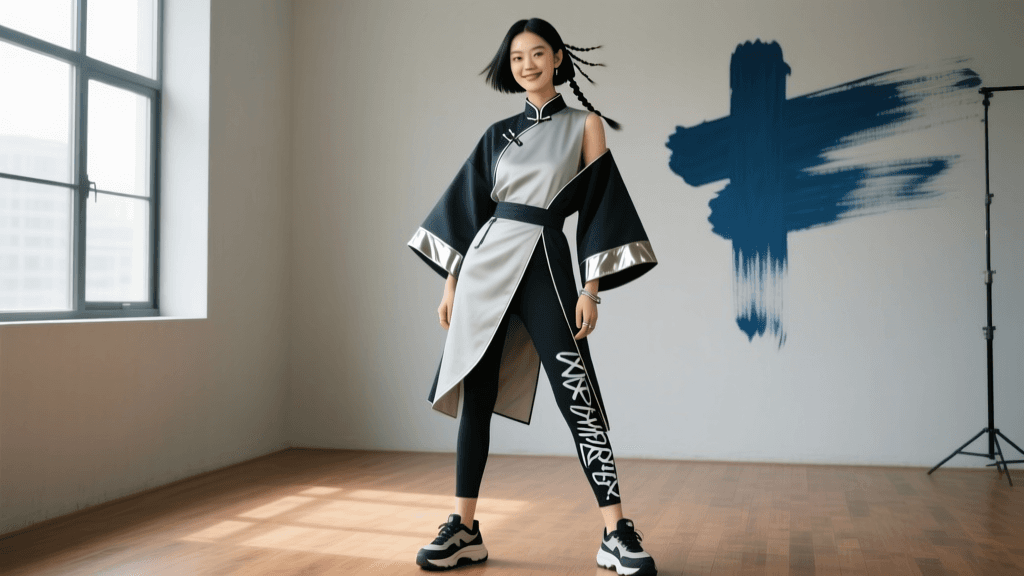
Over the past few years, the global fashion landscape has been captivated by the vibrant, hyper-stylized street fashion emerging from China's major urban hubs. At the epicenter of this sartorial revolution is Douyin, the Chinese counterpart to TikTok, where influencers and everyday fashion enthusiasts showcase a trend known as Xin Zhong Shi, or 'New Chinese Style.' Unlike strict historical reenactment, Xin Zhong Shi is a dynamic, living fashion movement. It takes the foundational elements of traditional Hanfu, Qing dynasty garments, and Republic-era silhouettes, and aggressively collides them with contemporary streetwear, tech-wear, and high fashion. For the modern wardrobe, this trend offers a masterclass in cultural juxtaposition, allowing wearers to honor Asian traditions while navigating the concrete jungles of Chengdu, Shanghai, and beyond.
The Douyin Street Snap Phenomenon
If you scroll through Douyin's street fashion tags, particularly those focused on Chengdu's Taikoo Li or Hangzhou's湖滨银泰 (Hubin Yintai) shopping districts, you will notice a distinct visual language. Influencers are not wearing museum-replica garments; they are wearing heavily modified, highly functional pieces designed for urban mobility. The camera pans from a pair of chunky, oversized sneakers up to a flowing, pleated Mamianqun (horse-face skirt), finishing on a cropped, structured bomber jacket featuring subtle Song brocade embroidery. This is the essence of the Douyin street snap: high contrast, bold silhouettes, and an unapologetic blending of the ancient and the futuristic. The goal is not historical accuracy, but rather historical resonance adapted for the modern gaze.
Deconstructing the Formula: The 70/30 Rule
To successfully recreate a viral Douyin Xin Zhong Shi look without appearing as though you are wearing a costume, influencers rely on the 70/30 rule. This styling principle dictates that 70 percent of your outfit should consist of modern, contemporary basics, while 30 percent should feature traditional Chinese garments or textiles. Alternatively, you can flip this ratio depending on the statement you wish to make.
- The 70% Modern / 30% Traditional Approach: Pair a standard oversized graphic tee and chunky sneakers with a traditional Mamianqun skirt. The modern elements ground the outfit, making the traditional skirt pop as a statement piece.
- The 70% Traditional / 30% Modern Approach: Wear a full Hanfu cross-collar top and skirt set, but swap out traditional cloth shoes for modern combat boots, and replace jade hairpins with sleek, geometric metallic hair clips.
This ratio ensures that the outfit remains functional for daily wear—subway commutes, coffee runs, and shopping trips—while still broadcasting a deep appreciation for Chinese textile heritage.
Wardrobe Essentials: Traditional vs. Douyin Adaptations
Understanding the difference between a historically accurate garment and its Douyin-adapted counterpart is crucial for sourcing the right pieces. Below is a comparison chart detailing the specifications, adaptations, and estimated costs for essential Xin Zhong Shi wardrobe staples.
| Garment | Traditional Specification | Douyin Streetwear Adaptation | Est. Cost (USD) |
|---|---|---|---|
| Mamianqun (Skirt) | Floor-length (100cm+), heavy silk brocade, intricate waistbands | Midi length (80cm), cotton-linen blend, elasticated back waist for comfort | $45 - $120 |
| Tangzhuang (Jacket) | Full-length or hip-length, traditional Pankou knots, brocade | Cropped bomber silhouette, tech-wear nylon, oversized metal toggles | $60 - $150 |
| Ruqun (Top/Skirt) | High-waisted chest-level skirts, flowing sheer silk sleeves | Corset-style bodices, structured cotton tops, detachable puff sleeves | $50 - $130 |
| Pankou (Frog Knots) | Hand-tied silk knots used as functional buttons | Oversized acrylic, resin, or metallic knots used as decorative accents | $5 - $15 |
Fabric, Textiles, and the Art of Contrast
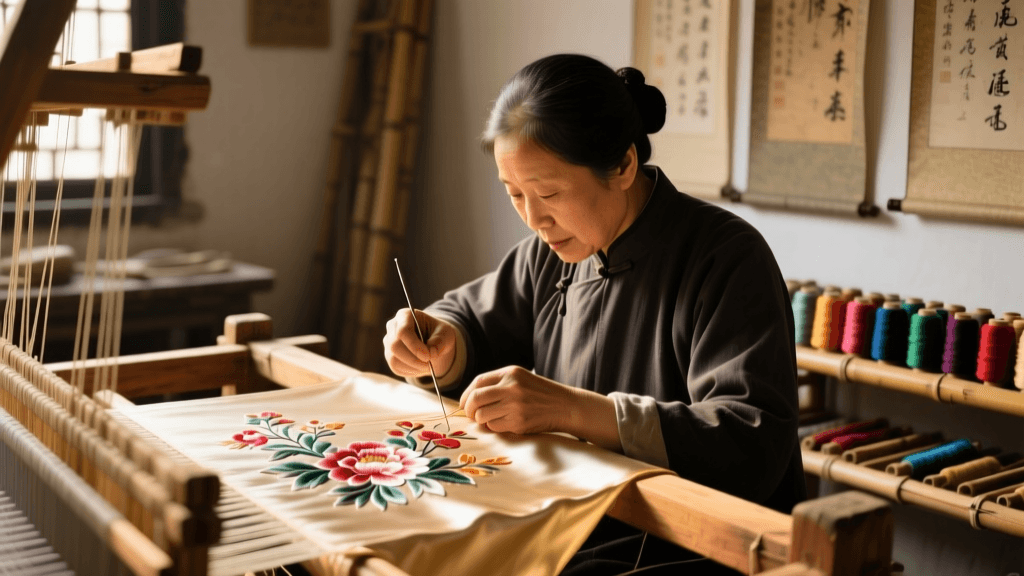
The secret to a high-quality Xin Zhong Shi outfit lies in textile contrast. Douyin influencers frequently mix the matte, rugged textures of modern streetwear with the lustrous, intricate weaves of traditional Chinese fabrics. Xiangyunsha, also known as gambiered Canton gauze, is a highly prized textile in this community. Traditionally dyed with river mud and plant juices, it has a distinct, leathery sheen and a rustling sound when worn. In Douyin street fashion, Xiangyunsha is often used for cropped outerwear or wide-leg trousers, paired with a simple, matte black cotton turtleneck to let the fabric's unique texture take center stage.
Another favorite is Song Brocade, known for its complex, multi-layered geometric and floral patterns. Instead of using Song Brocade for an entire garment—which can look overwhelming and overly formal—influencers use it as paneling on modern denim jackets, as material for structured handbags, or as wide, statement-making belts.
Actionable Sourcing Guide: Timing and Measurements
If you are looking to build a Xin Zhong Shi wardrobe, knowing when and how to buy is just as important as knowing what to buy. The primary sourcing platform is Taobao, where indie Hanfu and Xin Zhong Shi brands thrive.
Crucial Measurements for Streetwear
When ordering skirts or trousers, pay strict attention to the length. Traditional floor-length garments are impractical for street fashion and will drag on dirty city pavements. For the quintessential Douyin look, order your Mamianqun with a length of 75cm to 85cm. This midi length hits right at the mid-calf, allowing you to showcase your footwear—whether that is a pair of embroidered Mary Janes or chunky New Balance 990s. For tops, aim for a cropped length of 40cm to 45cm to sit perfectly at the high waistband of the skirt, elongating the legs and creating a sharp, modern silhouette.
Timing Your Purchases
To maximize your budget, time your purchases around China's major e-commerce festivals. The 6.18 Shopping Festival (mid-June) and Singles' Day (November 11th) are the optimal windows. During these periods, premier indie brands like Shisanyu, Zhongling, and Tingyue offer discounts ranging from 30% to 50% off, alongside exclusive bundle deals that often include matching traditional hair accessories or embroidered tote bags.
The Cultural Engine: Guochao and Global Influence
The Xin Zhong Shi trend does not exist in a vacuum; it is the sartorial manifestation of a much larger cultural phenomenon known as Guochao, or 'national trend.' Guochao represents a massive shift in Chinese consumer behavior, where younger generations, particularly Gen Z and Millennials, are actively choosing domestic brands and traditional cultural motifs over Western luxury labels. This movement is driven by a renewed sense of national pride and a desire to reconnect with heritage in a rapidly modernizing society. Fashion is the most visible battleground for this cultural renaissance, with Douyin serving as the primary runway.
International media has taken note of this vibrant street style evolution. As documented by BBC News in their extensive coverage of the Hanfu and traditional dress revival, what began as a niche hobby for historical enthusiasts has exploded into a multi-billion dollar industry that dictates mainstream retail trends across Asia. The youth are not merely wearing clothes; they are wearing their identity, reclaiming historical narratives, and projecting them onto the global stage through short-form video content.
Furthermore, the fusion of Eastern aesthetics with Western tailoring is not entirely new, though its current grassroots, street-level execution is unprecedented. The historical weight and global fascination with these silhouettes were famously explored in the Metropolitan Museum of Art's landmark China: Through the Looking Glass exhibition, which highlighted how Chinese art, film, and fashion have continuously shaped global design. Today, however, the narrative is no longer being dictated solely by Western haute couture interpreting the East. Instead, it is being driven by young Chinese creatives on Douyin, who are taking ownership of their traditional garments, deconstructing them, and rebuilding them for the modern streets. By mastering the Xin Zhong Shi aesthetic, you are not just adopting a fashion trend; you are participating in a living, breathing cultural dialogue that honors the past while boldly designing the future.