Ainu Attus and Ryukyuan Bingata: Sourcing Indigenous Textiles
Introduction to Japan's Indigenous Textile Heritage
When discussing traditional Japanese clothing, the global imagination is overwhelmingly dominated by the silk kimono of the Yamato majority. However, the Japanese archipelago is home to rich, distinct sartorial traditions born from its indigenous and ethnic minority groups. The Ainu people of Hokkaido and the northern islands, alongside the Ryukyuan people of the Okinawa prefecture, have cultivated unique textile practices deeply intertwined with their local ecosystems, spiritual beliefs, and historical trade networks. For collectors, kimono enthusiasts, and sustainable fashion advocates, understanding and sourcing garments like the Ainu attus and Ryukyuan bingata offers a profound connection to Japan's diverse cultural tapestry. This guide provides actionable advice on sourcing, styling, and preserving these extraordinary indigenous textiles.
Understanding Ainu Attus: Elm Bark Cloth
The cornerstone of traditional Ainu workwear and everyday garments is attus, a highly durable, water-resistant cloth woven from the inner bark of the Manchurian elm (ohyo) or linden tree. Unlike the cultivated silk or cotton of mainland Japan, attus represents a profound hunter-gatherer relationship with the forest. The bark is harvested in spring, soaked in rivers or hot springs to soften, and then split by hand into incredibly fine threads using only the artisan's fingernails. According to the Upopoy National Ainu Museum and Park, this meticulous hand-processing ensures the fibers retain their natural strength and flexibility, making attus ideal for the harsh, damp climate of Hokkaido.
Sourcing Authentic Attus
Finding authentic, newly woven attus requires connecting directly with Ainu artisans or authorized cultural cooperatives. Mass-produced tourist souvenirs often use imported hemp or cotton disguised as elm bark. To acquire genuine pieces, consider the following practical avenues:
- Where to Buy: The official museum shop at Upopoy in Shiraoi, Hokkaido, and the Hokkaido Ainu Association's annual craft fairs are the most reliable sources. Online, look for specialized Hokkaido craft galleries that explicitly name the weaver.
- What to Buy: Full attus robes (attus no ami) are rare and typically reserved for museum archives or ceremonial use. For contemporary wear, an attus obi (sash) or an attus haori (jacket) is highly practical.
- Measurements: A standard attus obi woven for modern kimono styling measures 15cm to 20cm in width and 300cm to 350cm in length. This allows for a simple, secure knot over a casual cotton kimono or yukata.
- Cost Expectations: Expect to pay between ¥25,000 and ¥45,000 ($170–$300 USD) for a hand-woven attus obi. Vintage or antique appliqué pieces featuring trade cotton (karamono) can exceed ¥150,000 at specialized antique textile dealers.
Exploring Ryukyuan Bingata: Okinawa's Resist-Dyed Silk
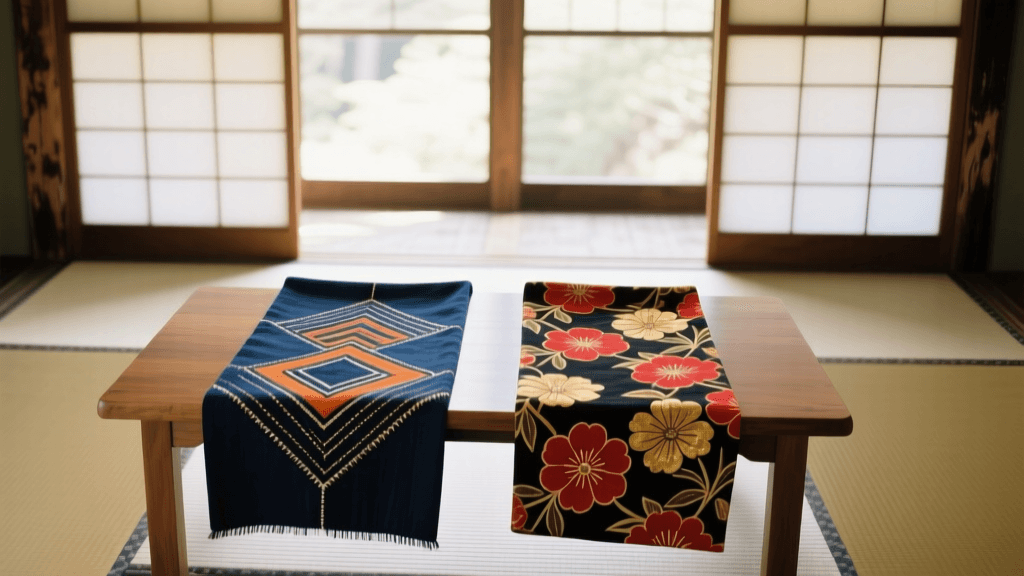
In stark contrast to the earthy, un-dyed textures of Ainu attus, Ryukyuan bingata is an explosion of vibrant color and intricate motif. Developed in the Ryukyu Kingdom (modern-day Okinawa), bingata is a stencil-resist dyeing technique that utilizes a rice-paste resist and brilliant pigments derived from local flora and minerals. As documented in the Victoria and Albert Museum's Asian Collections, bingata was historically governed by strict sumptuary laws; the brilliant yellow dye, extracted from the fukugi tree, was strictly reserved for the Ryukyuan royal family and high-ranking nobility.
The Sourcing and Commissioning Process
Authentic bingata is still produced by master artisans in Okinawa, particularly around the Shuri and Tsuboya districts of Naha. Purchasing bingata requires an understanding of the garment components and the dyeing timeline.
- Garment Types: The most accessible entry point is a bingata haneri (half-collar), which adds a pop of color to a standard kimono. For a statement piece, a bingata nagoya obi (pre-folded sash) is the gold standard.
- Measurements: A standard haneri measures 15cm by 100cm. A nagoya obi measures roughly 30cm in width and 360cm in length. When commissioning a custom obi, ensure you specify if you require the otaiko (drum) pattern to be placed precisely for your tying style.
- Timing and Lead Times: Because bingata involves carving paper stencils, applying soybean milk sizing, painting the resist, dyeing, and finally washing out the paste in running water, custom commissions take between 4 to 6 months. Plan purchases well in advance of specific events or seasons.
- Cost Expectations: A mass-produced stencil-printed haneri may cost ¥3,000, but a hand-painted, artisan-made haneri ranges from ¥8,000 to ¥15,000. A fully hand-painted silk nagoya obi from a certified master studio (such as Shuri Ryusen or Chinen Bingata) starts at ¥150,000 and can easily reach ¥350,000+ ($1,000–$2,400 USD).
Comparison Chart: Attus vs. Bingata
To help collectors and stylists make informed decisions, below is a structured comparison of these two distinct indigenous textiles.
| Feature | Ainu Attus | Ryukyuan Bingata |
|---|---|---|
| Origin | Hokkaido, Northern Honshu, Sakhalin | Okinawa Prefecture (Ryukyu Islands) |
| Base Material | Manchurian Elm (ohyo) inner bark | Silk (shiromen) or Ramie (jofu) |
| Primary Technique | Hand-splitting, plain weave on backstrap loom | Stencil-resist dyeing, hand-painted pigments |
| Aesthetic | Earthy, textured, natural brown/tan tones | Vibrant, high-contrast, nature-inspired motifs |
| Avg. Cost (Obi) | ¥25,000 – ¥45,000 | ¥150,000 – ¥350,000+ |
| Best Season | Autumn and Winter (highly insulating) | Spring and Summer (lightweight, breathable) |
Practical Guide to Styling Indigenous Textiles
Integrating indigenous minority textiles into a modern wardrobe or a traditional kimono kit requires an eye for balance. The Metropolitan Museum of Art's Heilbrunn Timeline notes that Ainu garments were historically designed for mobility and warmth, while Ryukyuan garments were designed to display status and withstand tropical heat. Here are three actionable styling formulas:
Formula 1: The Casual Autumn Walk (Ainu Focus)
Pair a muted, solid-colored cotton yukata or a casual linen kimono with an attus obi. The rough, organic texture of the elm bark contrasts beautifully with smooth cotton. Because attus is stiff, tie it in a simple ikka-musubi (square knot) at the back. Complete the look with barefoot-style leather sandals (setta) and a subtle wooden hairpin.
Formula 2: Smart Casual Kimono (Ryukyuan Focus)
For a sophisticated tea gathering or gallery visit, wear an Oshima Tsumugi (mud-dyed silk) kimono. The dark, subdued geometric patterns of the Oshima silk provide the perfect canvas for a bingata haneri. Let the vibrant yellow and red Okinawan motifs peek out at the neckline. Secure the outfit with a solid black or deep navy nagoya obi to let the collar remain the focal point.
Formula 3: Modern Western Fusion
Indigenous textiles are not confined to traditional silhouettes. A vintage or slightly damaged bingata haori (kimono jacket) can be worn open over a crisp white linen dress or a tailored turtleneck and wide-leg trousers. Similarly, an attus belt can be looped through the belt loops of high-waisted denim, adding an immediate touch of artisanal, global heritage to everyday streetwear.
Preservation and Care Instructions
Caring for ethnic minority textiles requires specific protocols that differ vastly from standard silk kimono care.
- Caring for Attus: Elm bark is highly susceptible to mold if left damp. Never machine wash or soak an attus garment. If it becomes soiled, use a soft-bristle tasuki brush to gently sweep away dirt along the grain of the weave. If the garment gets wet from rain, hang it in a well-ventilated, shaded area immediately. Store attus flat or loosely rolled; sharp folds will snap the brittle natural fibers over time.
- Caring for Bingata: The natural pigments used in authentic bingata (such as cochineal, sappanwood, and indigo) are highly sensitive to UV light and alkaline chemicals. Never expose bingata to direct sunlight for extended periods, as the vibrant reds and yellows will fade rapidly. Dry clean only, and explicitly inform the cleaner that the piece is hand-dyed with natural pigments. Store bingata wrapped in unbleached cotton or acid-free tatami paper. Avoid traditional camphor mothballs, as the chemical vapors can react with natural dyes and cause permanent staining.
Conclusion
The textiles of the Ainu and Ryukyuan peoples are far more than mere garments; they are living archives of indigenous resilience, ecological harmony, and artistic brilliance. By understanding the botanical origins of attus and the complex resist-dyeing chemistry of bingata, collectors and wearers can make ethical, informed purchasing decisions. Whether you are investing in a custom-commissioned Okinawan obi or weaving an elm-bark sash into your autumn wardrobe, supporting these artisan communities ensures that Japan's indigenous fashion heritage continues to thrive in the contemporary world.