Styling Hanfu for Chinese Mythology: A Deity Cosplay Guide
Introduction to Mythological Hanfu Styling
The intersection of ancient Chinese mythology and the modern Hanfu movement has birthed one of the most visually stunning subcultures in traditional fashion. Drawing heavily from texts like the Shan Hai Jing (Classic of Mountains and Seas) and centuries of folklore, enthusiasts are no longer just recreating historical garments; they are embodying deities, spirits, and legendary heroes. According to the UNESCO Intangible Cultural Heritage registry for China, the preservation of traditional craftsmanship plays a vital role in keeping these cultural narratives alive, and modern mythological cosplay is a vibrant, community-driven extension of this preservation.
For those looking to step into the shoes—or rather, the silk slippers—of a Chinese deity, accuracy in silhouette, fabric choice, and color theory is paramount. This guide provides actionable, practical advice for sourcing, styling, and wearing mythological Hanfu, whether you are preparing for a cultural festival, a photoshoot, or an international anime and cosplay convention.
Decoding the Deities: Core Archetypes and Wardrobe Essentials
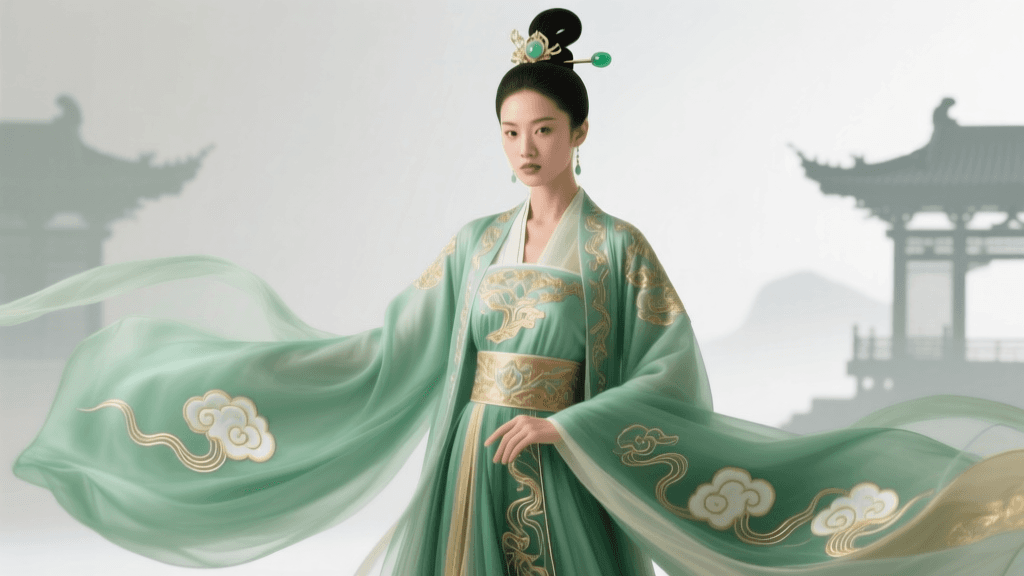
Chinese mythology is vast, but when translated into fashion, most deities fall into three distinct visual archetypes: the Celestial Maiden, the Dragon or Sea Deity, and the Fox Spirit or Demon. Understanding these archetypes helps you select the correct base garments and accessories.
| Mythological Archetype | Primary Garment (Hanfu) | Recommended Fabric | Color Palette | Estimated Budget (USD) |
|---|---|---|---|---|
| Celestial Maiden (e.g., Chang'e) | Qixiong Ruqun (Chest-high skirt) | Silk Organza, Chiffon | Pastels, Pearlescent White, Soft Gold | $80 - $150 |
| Dragon / Sea Deity (e.g., Luo Shen) | Mamianqun (Horse-face skirt) + Dahu | Jacquard, Brocade, Xiangyunsha | Azure, Deep Teal, Silver, Seafoam | $120 - $250 |
| Fox Spirit (e.g., Nine-Tailed Fox) | Jiaoling Youren (Cross-collar) + Pibo | Velvet, Heavy Silk, Faux Fur trim | Crimson, Obsidian, Jewel Tones | $100 - $200 |
Fabric and Silhouette: Engineering the Ethereal Look
The primary difference between historical Hanfu and mythological Hanfu lies in the manipulation of fabric to create an 'ethereal' or 'supernatural' silhouette. Deities are often depicted as defying gravity, and your wardrobe must reflect this.
Selecting the Right Materials
For Celestial Maidens, avoid heavy cottons or linens. Instead, opt for 15-30 denier silk organza or high-quality polyester chiffon. These materials catch the wind and diffuse light, creating a glowing aura. The Smithsonian National Museum of Asian Art frequently highlights the importance of material fluidity in Chinese artistic depictions of immortals, noting that flowing drapery is a visual shorthand for spiritual transcendence.
Measurements and Skirt Swings
To achieve the dramatic, sweeping look seen in mythological illustrations, pay close attention to skirt circumference and length:
- Skirt Circumference: Standard historical skirts often feature a 3-meter to 4-meter hem. For mythological cosplay, upgrade to a 6-meter to 9-meter swing. This allows for dramatic spinning and wind-blown photography.
- Skirt Length: Measure from your waist (or chest, for a Qixiong skirt) to the floor while wearing your convention shoes. For a wearer who is 165cm (5'5') tall, a standard 105cm skirt length will graze the floor, but a 115cm length will pool slightly, enhancing the illusion of floating.
- Sleeve Width: Standard 'Pipa' sleeves are elegant, but mythological figures demand 'Guangxiu' (wide sleeves) measuring at least 50cm in width at the wrist, often trailing past the fingertips by 20-30cm.
Accessorizing the Divine: Hairpins, Pibo, and Jade
Accessories elevate a traditional outfit into a mythological costume. The two most critical elements are the Pibo (silk ribbon) and elaborate hairpieces.
Mastering the Pibo Drape
The Pibo is a long, flowing scarf that rests on the shoulders and wraps around the arms. For a deity look, use a Pibo that is at least 3 meters long and 40cm wide. The 'figure-eight' drape, where the ribbon crosses at the back and loops over the forearms, is the most iconic for celestial beings. It creates a winged silhouette that mimics the murals of Dunhuang flying apsaras.
Pro-Tip: To keep a silk organza Pibo from slipping off your shoulders during a long convention day, use double-sided fashion tape at the collarbone, or sew a small, clear snap button to the inside of the Pibo and attach it to the strap of your Ruqun.
Hair Architecture: Buyao and Coronets
Mythological figures rarely wear their hair completely down. They feature elaborate updos secured with Buyao (step-shake hairpins) and lotus coronets. When purchasing hairpins, prioritize lightweight resin or hollow brass over solid metal. A heavy brass Buyao can cause tension headaches after four hours of wear. Look for pins with a prong length of at least 12cm to securely anchor into a braided bun or a foam hair donut.
Furthermore, incorporate jade ornaments into your hair or waist sashes. As noted by the Metropolitan Museum of Art's Department of Asian Art, jade has historically symbolized purity, moral integrity, and immortality in Chinese culture, making it the quintessential material for deity styling. Resin or glass jade replicas are excellent, lightweight alternatives for all-day convention wear.
Practical Guide: Sourcing, Budgeting, and Convention Prep
Acquiring high-quality mythological Hanfu requires navigating the Chinese e-commerce ecosystem, primarily Taobao and Weidian. Here is a timeline and strategy for sourcing your garments.
Understanding Yushou (Pre-order) vs. Xianhuo (In-stock)
Most high-end, heavily embroidered mythological sets are released via Yushou (pre-order). Studios will open a deposit window for 2-4 weeks, followed by a production period of 2 to 4 months. If you are planning for a specific convention, you must begin your search 4 to 5 months in advance.
For last-minute needs, search for Xianhuo (in-stock) items. While the selection is smaller, many Taobao shops keep basic chiffon Qixiong skirts and unembroidered Pibo ribbons in stock for immediate shipping.
Budgeting and Shipping via Agents
International buyers typically use shopping agents (like Superbuy, CSSBuy, or Sugargoo) to purchase from Taobao. When budgeting, factor in the following:
- Base Garment Set: $80 - $200 depending on embroidery density.
- Accessories (Hairpins, Fans, Jade pendants): $30 - $75.
- Agent Fees & Domestic Shipping: ~10% of the item cost.
- International Freight: $25 - $60 via SAL or EMS, depending on the volumetric weight of the 6-meter skirts.
Always request 'Detailed Photos' (QC pics) from your agent before international shipping to check for loose embroidery threads or color discrepancies, which are common in mass-produced fantasy sets. Be mindful of volumetric weight; massive 9-meter organza skirts can take up significant space, driving up air freight costs. Consider sea freight if your convention is more than three months away to save on shipping.
Conclusion
Styling Hanfu for Chinese mythology is a beautiful synthesis of historical appreciation and creative fantasy. By understanding the core archetypes, investing in the correct fluid fabrics, and meticulously planning your sourcing timeline, you can bring the gods and spirits of ancient lore into the modern world. Whether you are channeling the moonlit grace of Chang'e or the fierce elegance of a Nine-Tailed Fox, the right garments will ensure your presence is nothing short of divine.