Okinawan Ryusou vs Kimono: A Guide to Ryukyuan Garments
Beyond the Mainland: The Sartorial Heritage of the Ryukyu Kingdom
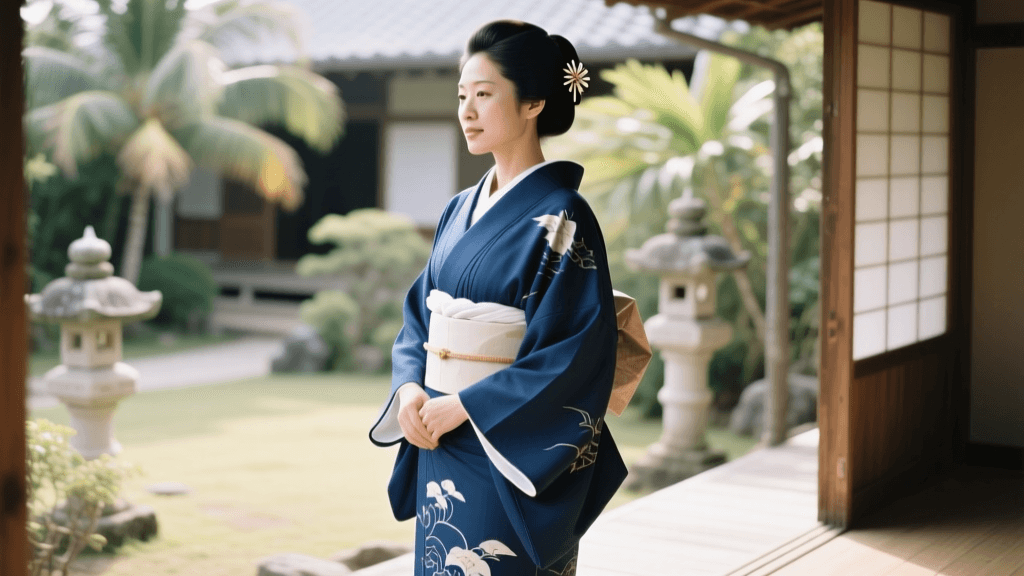
When discussing traditional Japanese clothing, the global imagination immediately conjures images of the mainland kimono, characterized by its tubular sleeves, wide obi sashes, and heavy silk layers. However, Japan's sartorial heritage is far from monolithic. In the southernmost prefecture of Okinawa, the legacy of the independent Ryukyu Kingdom (1429–1879) survives through a distinct, vibrant, and highly specialized garment tradition known as Ryusou (琉装). Shaped by a subtropical climate and centuries of maritime trade with China, Korea, and Southeast Asia, Okinawan traditional clothing offers a fascinating study in regional adaptation and cultural resilience.
For textile collectors, cultural historians, and travelers seeking a deeper understanding of Asian traditions, exploring the divergence between mainland Japanese kimono and Okinawan Ryusou reveals a world of unique weaving techniques, resist-dyeing mastery, and structural innovation. This guide breaks down the anatomy of Ryukyuan garments, compares them to their mainland counterparts, and provides actionable advice for sourcing and experiencing these regional masterpieces.
Anatomy of Ryusou: Garments of the Subtropics
The term Ryusou encompasses the traditional clothing of the Ryukyu Islands, ranging from the everyday wear of commoners to the elaborate court dress of the Shuri aristocracy. Unlike the mainland kimono, which evolved to trap heat and accommodate the distinct four seasons of Honshu, Ryusou was engineered for breathability, humidity management, and ease of movement in a subtropical environment.
Key Garments in the Ryukyuan Wardrobe
- Doujin (ドゥジン): The foundational cross-collar robe worn by both men and women. It features wide, open sleeves and is typically worn loosely, often without the restrictive binding of a mainland obi.
- Hanaji (ハナジ): An outer robe worn over the doujin by the nobility, often featuring vibrant colors and intricate motifs that denote rank and season.
- Hachimachi (ハチマチ): A traditional headpiece. While mainland Japan favored elaborate hair ornaments (kanzashi) or specific hats, Ryukyuan men of status wore a tightly wrapped, color-coded cloth headwear that indicated their exact court rank.
- Ushinchi (ウシンチ): The highest form of court dress, heavily influenced by Ming Dynasty Chinese official robes, featuring dramatic, floor-sweeping sleeves and bold, auspicious motifs like dragons and clouds.
Mainland Kimono vs. Ryukyuan Ryusou: A Structural Comparison
To truly appreciate the engineering behind Okinawan textiles, one must contrast them with the standard mainland kimono. The differences in cut, fastening, and fabric choice highlight how geography dictates fashion.
| Feature | Mainland Japanese Kimono | Okinawan Ryusou |
|---|---|---|
| Primary Fabric | Silk (Chirimen, Rinzu), Cotton, Wool | Bashofu (Banana fiber), Ramie, Lightweight Silk |
| Collar Style | Narrow, folded back (eri), pulled tight at the nape | Wide, overlapping front, worn relaxed and open at the chest |
| Sleeve Shape | Tubular, or long hanging pouches (furisode) | Wide, open, and flowing (similar to Heian-era kariginu) |
| Fastening | Obi (wide sash), tightly bound with ties and pads | Thin internal sash or simple external tie, loose fit |
| Climate Design | Layered for cold winters, traps body heat | Unlined, breathable, promotes air circulation in high humidity |
Iconic Okinawan Textiles: Bingata and Bashofu
The soul of Ryusou lies in its textiles. Okinawa is home to several designated Intangible Cultural Properties, with two standing out for their global significance and unique manufacturing processes.
Ryukyu Bingata: The Art of Stencil Resist Dyeing
Ryukyu Bingata is a vibrant resist-dyeing technique that utilizes rice bran paste and hand-carved mulberry paper stencils. Originally reserved for the Ryukyuan royalty and aristocracy, Bingata motifs draw heavily from nature and foreign influences, featuring tropical fish, peonies, snowflakes (a symbol of longing for the unseen north), and geometric patterns. The pigments, historically derived from local plants and minerals like Ryukyu indigo, cochineal, and orpiment, yield colors that are remarkably resistant to the harsh Okinawan sun.
Kijoka no Bashofu: Weaving the Banana Tree
While silk was imported for the nobility, the commoners and samurai of Okinawa relied on Kijoka no Bashofu. This extraordinary textile is woven from the fibers of the Japanese fiber banana (Musa basjoo). The process is staggeringly labor-intensive: it takes approximately 200 banana trees, harvested, boiled, scraped, and hand-spun, to produce enough yarn for a single adult garment. The resulting fabric is crisp, semi-translucent, and possesses a natural cooling effect, making it the ultimate luxury summer textile. Today, authentic Bashofu is incredibly rare and highly sought after by global textile collectors.
Actionable Guide: Sourcing, Sizing, and Wearing Okinawan Garments
For enthusiasts looking to purchase, wear, or study Ryukyuan garments, navigating the Okinawan market requires specific knowledge of local measurements, pricing, and seasonal timing.
Measurements and Tailoring Nuances
If you are commissioning a custom Ryusou or altering a vintage piece, be aware of the tanmono (fabric bolt) differences. Mainland kimono silk bolts are typically 38cm to 40cm wide. In contrast, traditional Okinawan ramie and bashofu bolts are often narrower, ranging from 35cm to 38cm. This narrower mi-haba (body width) means that standard mainland kimono tailoring patterns must be adjusted to avoid pulling at the seams. Furthermore, Ryusou sleeves are cut with a dramatic curve and left largely open at the underarm, requiring a tailor experienced in historical Ryukyuan patterning rather than standard mainland kimono alteration.
Costs and Investment
- Rental Experiences: For tourists wanting to experience Ryusou in Naha or Shuri, rental shops offer modern, simplified Yukata-Ryusou hybrids. Expect to pay between ¥3,000 and ¥5,000 for a two-hour rental, which often includes a basic hachimachi (headwear) and photo opportunities at Shuri Castle Park.
- Vintage Bingata: Authentic, mid-20th-century Bingata doujin or obi pieces can be found in antique markets in Naha (such as the Naha Antique Street). Prices range from ¥50,000 for minor pieces to over ¥500,000 for pristine, master-signed garments.
- Authentic Bashofu: Purchasing newly woven, certified Kijoka no Bashofu is a major investment. A full, uncut bolt (tanmono) woven by a certified master artisan can easily exceed ¥1,000,000 to ¥2,000,000 due to the thousands of hours of manual labor required.
Timing Your Visit for Festivals
To witness Ryusou in its most authentic, dynamic context, time your visit to Okinawa to coincide with major cultural festivals:
- Naha Hari (Early May): A massive dragon boat festival where local teams and community leaders often don traditional hachimachi and summer doujin to honor the sea gods.
- Shuri Castle Festival (Late October / Early November): This is the premier event for viewing Ushinchi (court dress). The parade recreates the Ryukyuan royal court, featuring hundreds of participants in meticulously reproduced silk Hanaji and Chinese-influenced diplomatic robes. According to the Okinawa Prefectural Museum, these reproductions are based on extensive historical research of the few surviving garments from the pre-WWII era.
Preserving the Thread of History
The survival of Okinawan Ryusou is a testament to the resilience of the Ryukyuan people. Following the devastating loss of countless cultural artifacts and master artisans during the Battle of Okinawa in 1945, the revival of Bingata and Bashofu was driven by the sheer determination of local women who remembered the patterns and weaving techniques. Today, younger generations of Okinawan designers are blending traditional Bashofu textiles with modern silhouettes, ensuring that these regional garments are not merely museum relics, but living, breathing elements of Asian fashion heritage.
Whether you are examining the microscopic fibers of a banana-woven cloth or tracing the vibrant, stencil-dyed petals of a Bingata robe, engaging with Okinawan Ryusou offers a profound reminder that Japan's traditional dress is as diverse and multifaceted as its islands.