Top Kimono Museums and Textile Heritage Sites in Japan
The Living Tapestry of Japan’s Sartorial Heritage
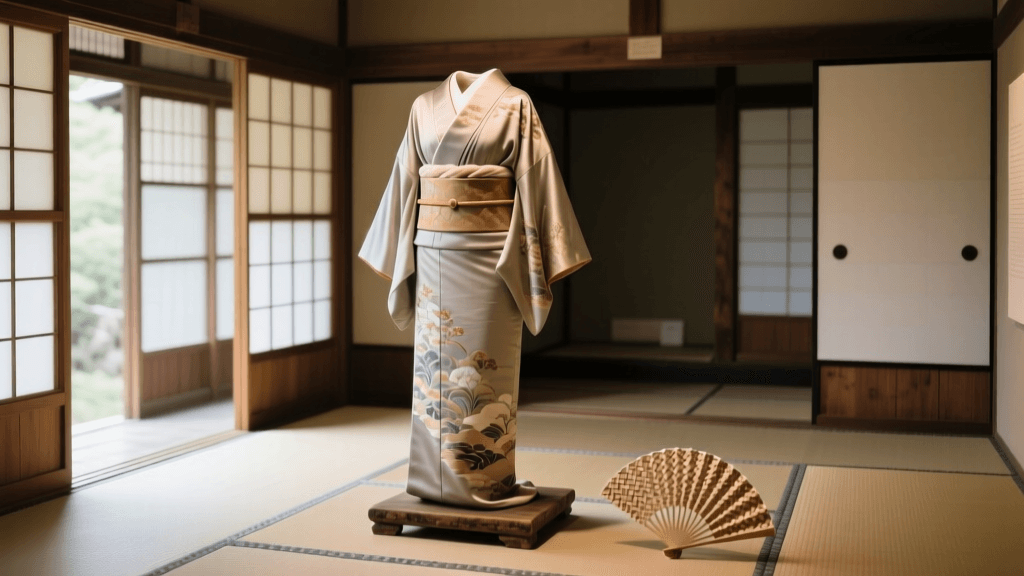
Japan’s traditional garments are far more than mere clothing; they are wearable canvases that reflect centuries of aesthetic evolution, regional craftsmanship, and social hierarchy. For textile enthusiasts, fashion historians, and cultural travelers, Japan offers a profound network of museums and heritage sites dedicated to the preservation of the kimono and its intricate underlying textiles. From the rhythmic clatter of Jacquard looms in Kyoto to the meticulous hand-painting studios of Kanazawa, exploring these institutions provides an unparalleled window into the soul of Japanese artisanship.
Unlike static Western fashion archives, many of Japan’s textile heritage sites operate as living workshops where master artisans continue to practice techniques designated as Important Intangible Cultural Properties. According to the Agency for Cultural Affairs (Bunka-cho), the Japanese government actively subsidizes and protects these traditional crafting methods, ensuring that skills like Nishijin weaving and Kaga Yuzen dyeing survive the pressures of modernization. This guide details the most significant kimono museums and textile exhibitions in Japan, providing actionable advice, costs, and itineraries for the ultimate sartorial pilgrimage.
Nishijin Textile Center: The Loom of Kyoto
No exploration of Japanese textiles is complete without a visit to the Nishijin Textile Center in Kyoto. Nishijin-ori (Nishijin weaving) is a luxury brocade technique that dates back over 1,200 years, originating when silk weavers settled in the Nishijin district following the Onin War in the 15th century. Today, the Nishijin Textile Center serves as both a museum and an active promotional hub for the region's weavers.
What to Expect and See
The center spans multiple floors, offering a comprehensive look at the lifecycle of a silk kimono. Visitors can observe the meticulous process of designing, thread dyeing, and weaving. The undisputed highlight is the live demonstration of the traditional hand-operated Jacquard loom. Watching a master weaver manipulate the heavy wooden machinery to produce a single, shimmering obi (kimono sash) is a mesmerizing experience. A standard Nishijin brocade obi can weigh over a kilogram and take several months to complete, utilizing pre-dyed silk threads that create complex, reversible patterns.
The center also features a kimono fashion show held multiple times daily, showcasing the seasonal variations in layering, motif selection, and formal wear etiquette. For those interested in the raw materials, the on-site shop sells authentic tanmono (standard kimono fabric bolts), which measure approximately 36 centimeters in width and 11.5 meters in length—the exact dimensions required to tailor a traditional kimono without wasting fabric.
- Admission: Free (Special exhibitions or kimono rental may incur separate fees).
- Hours: 9:00 AM to 5:00 PM (Closed on Wednesdays and during the New Year holidays).
- Location: Kamigyo Ward, Kyoto (Accessible via a short bus ride from Kyoto Station).
Kaga Yuzen Kimono Center: Dyeing in Kanazawa
While Kyoto is the heart of weaving, Kanazawa in Ishikawa Prefecture is the undisputed capital of hand-painted silk dyeing, specifically the Kaga Yuzen technique. The Kaga Yuzen Kimono Center is an essential heritage site for understanding how pictorial motifs—such as seasonal flora, birds, and flowing water—are transferred onto silk with painterly precision.
The Kaga Gosai and Artistic Process
Kaga Yuzen is defined by its use of five base colors, known as Kaga Gosai: indigo, ochre, purple, maroon, and green. Unlike the Kyo Yuzen style of Kyoto, which often incorporates gold leaf and vibrant synthetic dyes, Kaga Yuzen is celebrated for its realistic, subdued elegance and the use of bokashi (gradation) techniques. Artisans use a resist-dyeing method where a rice-paste glue (itome-nori) is applied to outline designs, preventing colors from bleeding into one another during the brush-painting phase.
The Kimono Center offers visitors the rare opportunity to participate in hand-painting workshops. Under the guidance of local artisans, you can paint your own silk accessories, such as fans or furoshiki (wrapping cloths). The center’s gallery exhibits masterworks that demonstrate the mushi-kui (insect-eaten) motif, a unique Kaga Yuzen design element where leaves are painted with deliberate, hyper-realistic blemishes to reflect the transient beauty of nature.
- Admission: ¥500 for adults (Gallery access).
- Workshop Costs: Starting at ¥2,500 for small silk items; booking 2 weeks in advance is highly recommended.
- Hours: 9:00 AM to 5:00 PM (Closed Wednesdays).
Tokyo National Museum: Preserving the Edo Kosode
For a historical perspective on the evolution of the kimono, the Tokyo National Museum (TNM) in Ueno Park houses one of the most important collections of antique textiles in the world. The museum’s Honkan (Japanese Gallery) features rotating exhibitions of kosode—the direct predecessor to the modern kimono, characterized by its small sleeve openings.
Curatorial Challenges and Seasonal Rotations
Textile preservation is a formidable challenge. Silk is highly susceptible to photodegradation, humidity fluctuations, and structural stress. As noted by conservation experts at the Victoria and Albert Museum's Asian Department, historical garments require strict environmental controls, typically limiting light exposure to 50 lux or less. Because of this extreme light sensitivity, the Tokyo National Museum rotates its textile displays every few months. You will rarely see the same Edo-period kosode twice in a single year.
When visiting the Honkan, head to the textile and decorative arts rooms to view garments from the Momoyama (1573–1615) and Edo (1615–1868) periods. Look closely at the tsujigahana (crossroads flowers) tie-dyeing technique and the lavish surihaku (gold-leaf imprint) designs that were popular among the samurai class and wealthy merchants. The museum provides high-resolution digital archives and magnifying glasses in select display cases, allowing visitors to appreciate the microscopic metallic threads woven into the silk.
- Admission: ¥1,000 for adults (Free for university students on the 2nd and 4th Saturdays).
- Hours: 9:30 AM to 5:00 PM (Extended to 8:00 PM on Fridays and Saturdays; closed Mondays).
- Best Time to Visit: Early Tuesday mornings to avoid crowds and secure a quiet viewing of the delicate textile cases.
Comparative Guide to Japan’s Textile Heritage Sites
To help you plan your itinerary, below is a structured comparison of these premier institutions, highlighting their distinct focuses and logistical details.
| Museum / Heritage Site | Location | Primary Focus | Admission Cost | Best Season to Visit |
|---|---|---|---|---|
| Nishijin Textile Center | Kyoto | Brocade weaving, Jacquard looms, Obi production | Free | Autumn (October-November) |
| Kaga Yuzen Kimono Center | Kanazawa | Resist-dyeing, hand-painting, Kaga Gosai colors | ¥500 | Spring (April-May) |
| Tokyo National Museum | Tokyo | Historical Kosode, Edo-period textiles, conservation | ¥1,000 | Year-round (Check rotation schedules) |
Practical Advice for the Textile Pilgrim
Photography and Etiquette
When visiting kimono exhibitions, strict photography rules apply. Flash photography is universally banned, as the intense burst of light accelerates the fading of natural dyes like indigo and safflower red. Many museums, including the TNM, prohibit photography entirely in rooms containing National Treasure textiles to prevent copyright infringement and protect the artifacts. Always look for the camera icon signage at the entrance of each gallery.
Combining Museums with Local Sightseeing
To maximize your cultural immersion, pair your museum visits with local artisan districts. After visiting the Nishijin Textile Center, walk through the nearby Kamishichiken district to spot geiko and maiko wearing the very brocades you just learned about. In Kanazawa, combine the Kaga Yuzen Kimono Center with a visit to the Nagamachi Samurai District, where historical clothing was heavily regulated by sumptuary laws, leading to the development of hidden, luxurious linings (iki) in otherwise austere outer garments.
Investing in Authentic Textiles
For collectors and fashion designers looking to source authentic materials, museum gift shops often collaborate with local guilds to sell certified, high-grade silk remnants. While a full, hand-painted Kaga Yuzen kimono can cost upwards of ¥2,000,000 ($13,000+ USD), purchasing a certified han-eri (decorative collar) or a woven silk pouch from these heritage centers ensures you are directly supporting the artisan ecosystem while acquiring a genuine piece of Japanese textile history.
Conclusion: The Future of Traditional Garment Preservation
The survival of the kimono as a living garment relies heavily on the educational outreach provided by these museums and heritage sites. As the number of master artisans declines due to an aging population, institutions like the Nishijin Textile Center and the Kaga Yuzen Kimono Center are increasingly focusing on international outreach, digital archiving, and modern design collaborations to keep the craft economically viable. By visiting these sites, travelers do more than observe history; they participate in the vital economic and cultural loop that ensures Japan’s magnificent textile traditions will continue to be woven, dyed, and worn for generations to come.